

Record Turnout in South Korean Elections Marred by Ballot Shortages
Translated from Korean, summarized and contextualized by DistantNews.
At a glance
News
Sources not specified
Outcome reported
- South Korea's local and by-election voter turnout exceeded 60%, marking the second-highest rate in history.
- High turnout led to ballot shortages in some polling stations, causing delays and frustration.
- Despite minor issues, the election saw strong participation, surpassing the previous local election's rate.
South Korea's ninth simultaneous local elections and National Assembly by-elections saw a robust voter turnout, surpassing 60% by 7:20 PM, making it the second-highest rate in the nation's history. This figure already exceeds the final turnout of the previous local elections held four years ago. The high engagement reflects a significant public interest in the electoral process.
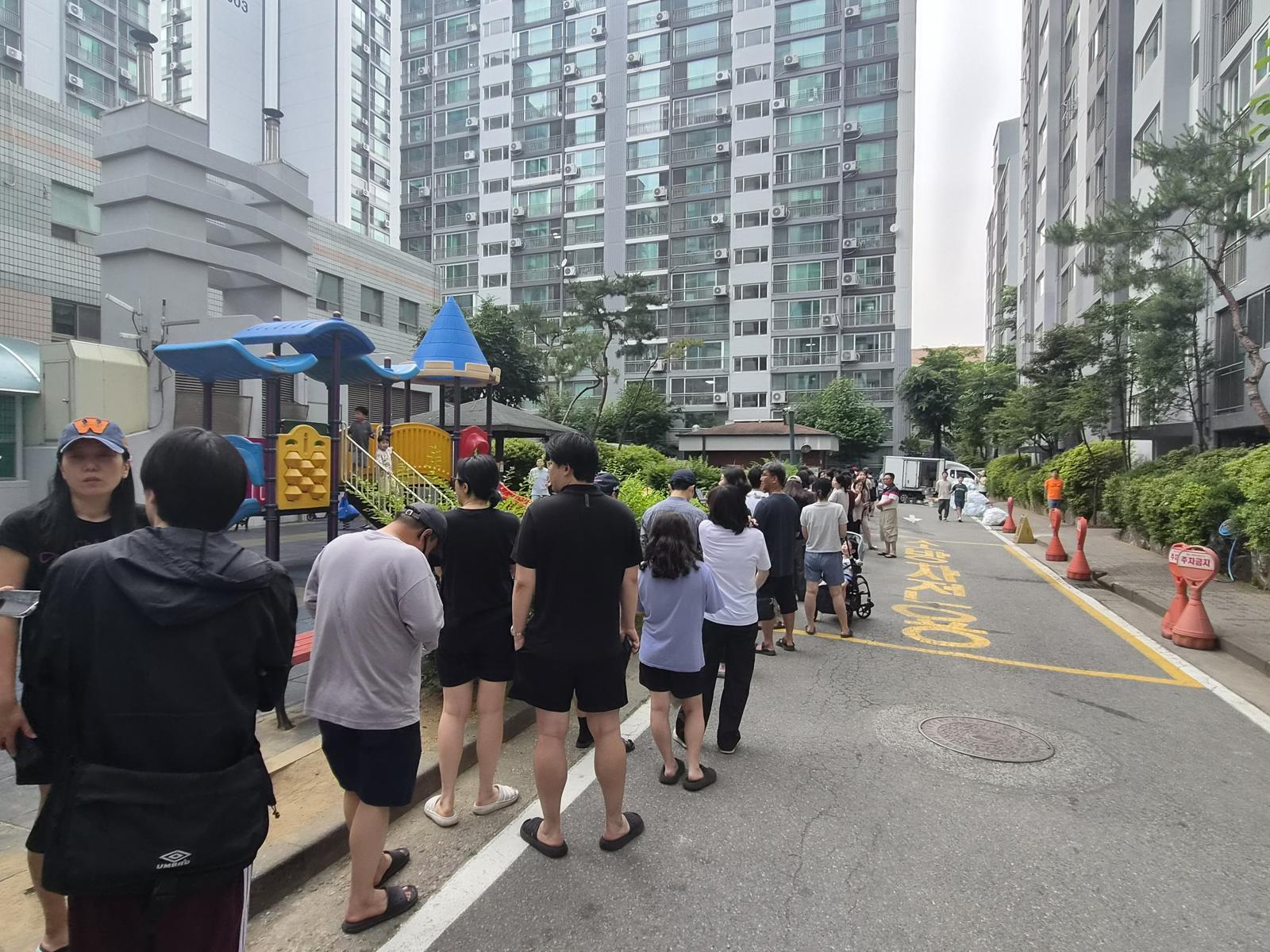
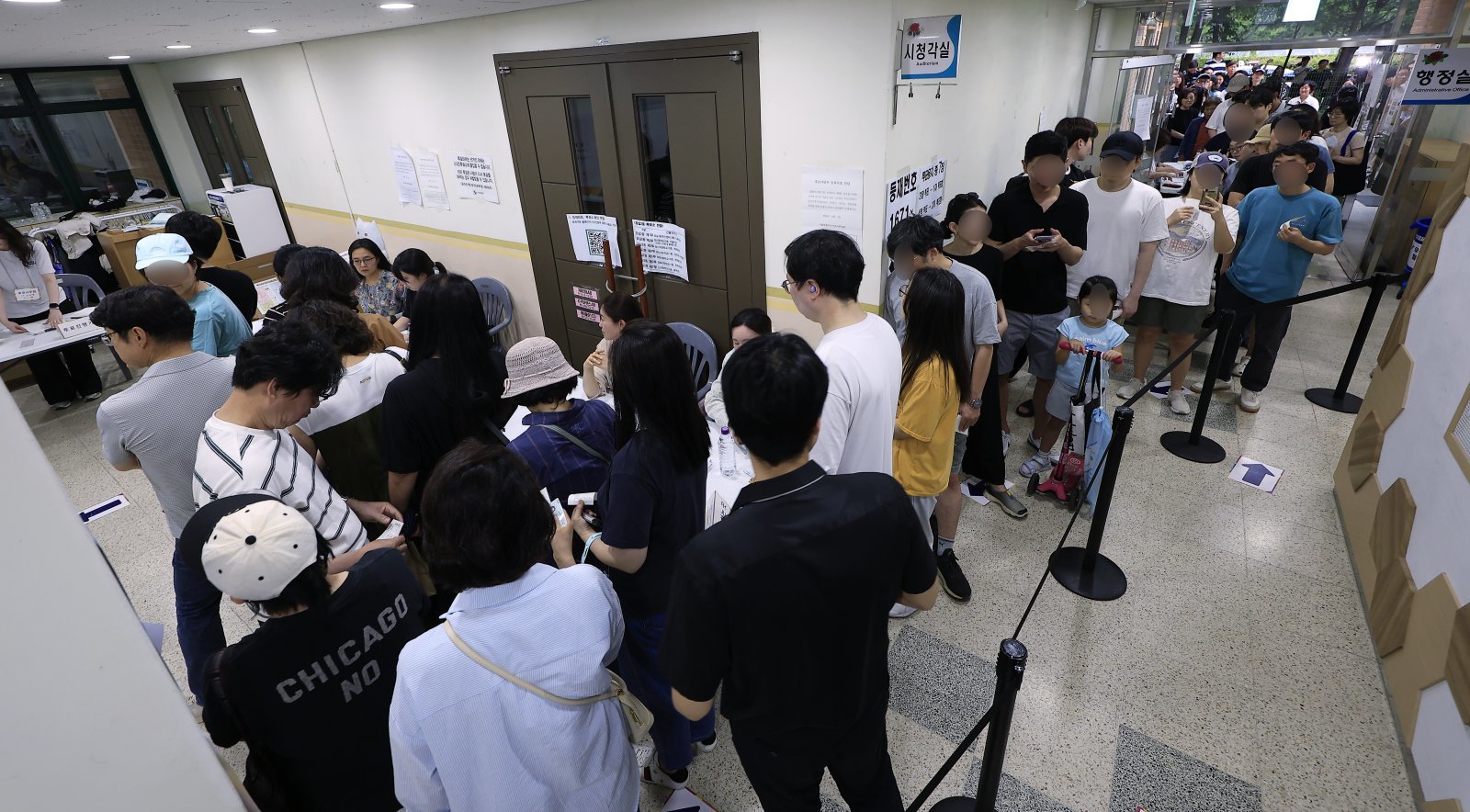
The surge in participation, however, created logistical challenges. Several polling stations, particularly in areas like Songpa District in Seoul, experienced ballot shortages due to the unexpectedly high number of voters. This led to situations where citizens had to wait past the official closing time to cast their ballots, casting a shadow over the otherwise successful election day.
According to the National Election Commission, as of 5 PM, 25.61 million out of 44.64 million eligible voters had participated, resulting in a 57.4% turnout. By 7:20 PM, this number climbed to 27.05 million voters, or 60.6%. The day's turnout consistently outpaced that of the previous local elections at every hour, indicating a strong democratic engagement across the country.
DistantNews Editorial
Originally published by Dong-A Ilbo in Korean. Translated, summarized, and contextualized by our editorial team with added local perspective. Read our editorial standards.
More Stories


From Our Blog

What Gets Lost (and Found) When News Is Translated

The Critical Role of Diaspora Media in Global News

What Travellers Should Know About Countries with Restricted Press

A Digital Nomad's Guide to Following Local News

How the Same Story Looks Different in Different Countries
