

Recurring fires expose safety gaps at H-9 Weekly Bazaar in Islamabad
Summarized and contextualized by DistantNews.
At a glance
News
Sources not specified
Under investigation
- Recurring fires at Islamabad's H-9 Weekly Bazaar highlight significant safety gaps and cause heavy financial losses for traders.
- Stallholders reportedly store goods overnight against regulations, creating a constant fire risk, and a fire tender was missing during a recent blaze.
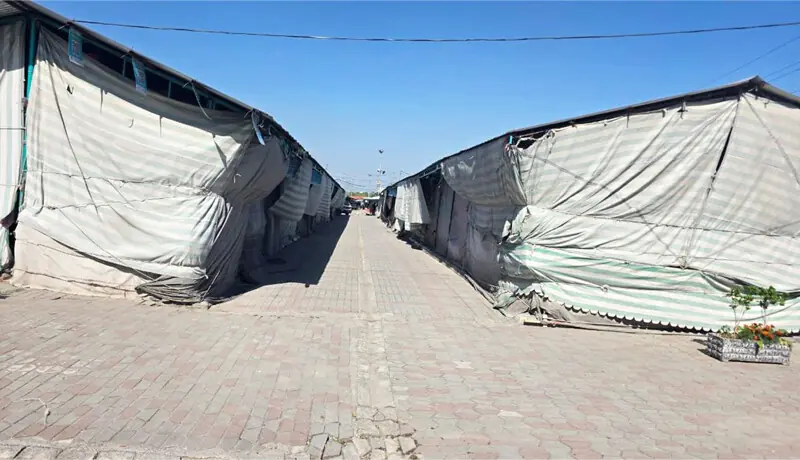
- The bazaar operates under a "dawn-to-dusk" policy, but stallholders treat stalls like permanent shops, leading to rapid fire spread.
Repeated fires at Islamabad's H-9 Weekly Bazaar have exposed critical safety deficiencies, inflicting substantial financial damage on traders and civic bodies. Sources indicate that city management's failure to enforce a "dawn-to-dusk" policy has transformed the market into a permanent shopping area, with stallholders leaving goods on-site overnight, creating a persistent fire hazard.
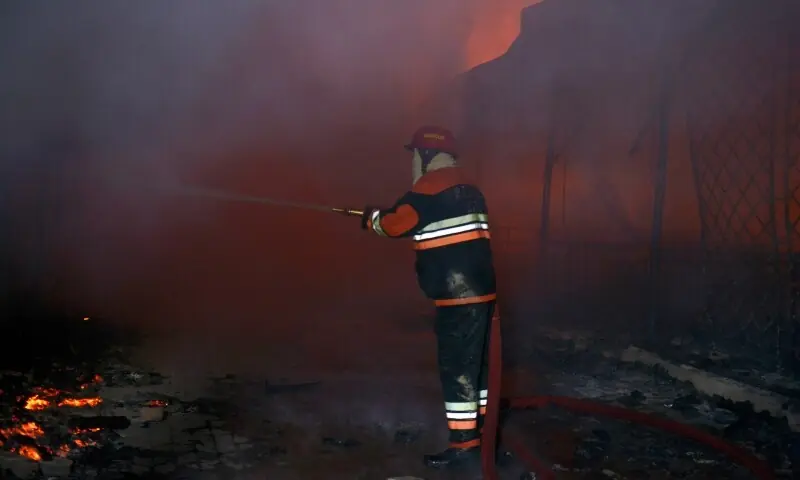
The most recent fire engulfed over 374 stalls, leaving vendors distressed as garments worth millions of rupees were destroyed. This marks the fifth major fire incident at the bazaar in nine years. While an inquiry committee is investigating the cause of the latest blaze, concerns persist about future incidents if adequate measures are not implemented. Vendors store goods in stalls like warehouses, covering them with highly flammable tarpaulins, which exacerbates the rapid spread of fires when they occur.
Stalls, particularly those selling clothes, are filled like permanent shops, and when fire breaks out, it spreads quickly.
According to a source, the absence of the daily goods removal practice contributes to the swift spread of flames. "Stalls, particularly those selling clothes, are filled like permanent shops, and when fire breaks out, it spreads quickly," the source explained. Previously, stallholders used solar panels, uninterrupted power supply (UPS) systems, and backup generators, but this practice was halted last year, yet another major fire still occurred.
Compounding the issue, a fire tender was reportedly absent when the recent fire started. "Had the fire tender been present, the fire could have been controlled to some extent. The fire started at 9:47pm, while the fire tender reached at 9:56pm, by which time significant damage had already occurred," a source stated. Standard operating procedures require a fire tender to be present around the clock, but it reportedly left the bazaar premises before the fire broke out.
Had the fire tender been present, the fire could have been controlled to some extent. The fire started at 9:47pm, while the fire tender reached at 9:56pm, by which time significant damage had already occurred.
DistantNews Editorial
Originally published by Dawn. Summarized and contextualized by our editorial team with added local perspective. Read our editorial standards.
More Stories

From Our Blog

What Gets Lost (and Found) When News Is Translated

The Critical Role of Diaspora Media in Global News

What Travellers Should Know About Countries with Restricted Press

A Digital Nomad's Guide to Following Local News

How the Same Story Looks Different in Different Countries
