

Reflections on Estates: Ruins Speak from Memory's Landscape
Translated from Estonian, summarized and contextualized by DistantNews.
At a glance
Analysis
Sources not specified
Context piece
- Estonia's historical estates, castles, and abandoned parks serve as tangible reminders of the past, prompting reflection on time and memory.
- Emeritus Professor Juhan Maiste of the University of Tartu argues these sites are not just tombstones of lost worlds but also pose questions from history.
- The article explores the enduring presence of the past through these physical remnants, suggesting they continue to speak to the present.
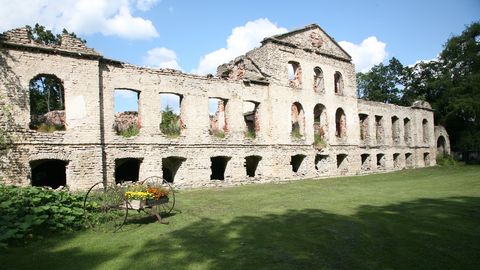
The past never truly leaves us. It stands beside us as ruins, its moss-covered stones walked by time itself, sometimes mourning, sometimes dreaming. Estates, castles, and abandoned parks are more than just epitaphs for lost worlds; they are questions history poses to us, writes Juhan Maiste, an emeritus professor at the University of Tartu.
These historical sites are not merely decaying structures but active participants in our present, embodying the weight of memory and the passage of time. Maiste suggests that their enduring presence prompts a continuous dialogue with history, inviting contemplation on what has been lost and what remains.
The past never truly leaves us. It stands beside us as ruins, its moss-covered stones walked by time itself, sometimes mourning, sometimes dreaming.
The article frames these remnants as vital connections to bygone eras, urging readers to consider their significance not just as historical artifacts but as enduring symbols that shape our understanding of time and memory. They are presented as living testaments to the past, continuing to influence the present through their silent, evocative presence.
Estates, castles, and abandoned parks are more than just epitaphs for lost worlds; they are questions history poses to us.
DistantNews Editorial
Originally published by Postimees in Estonian. Translated, summarized, and contextualized by our editorial team with added local perspective. Read our editorial standards.
More Stories
/nginx/o/2018/10/12/11492467t1hea68.jpg)

From Our Blog

What Gets Lost (and Found) When News Is Translated

The Critical Role of Diaspora Media in Global News

What Travellers Should Know About Countries with Restricted Press

A Digital Nomad's Guide to Following Local News

How the Same Story Looks Different in Different Countries
