


Reform Party Leader Lee Jun-seok Resigns, Cites Election Failure
Translated from Korean, summarized and contextualized by DistantNews.
At a glance
News
Named sources
Outcome reported
- Lee Jun-seok, leader of the Reform Party, has resigned from his position, taking responsibility for the party's performance in the recent local elections.
- The party's leadership also announced a collective resignation.
- Chun Ha-ram, the party's floor leader, will assume the role of interim leader to organize a new leadership election.
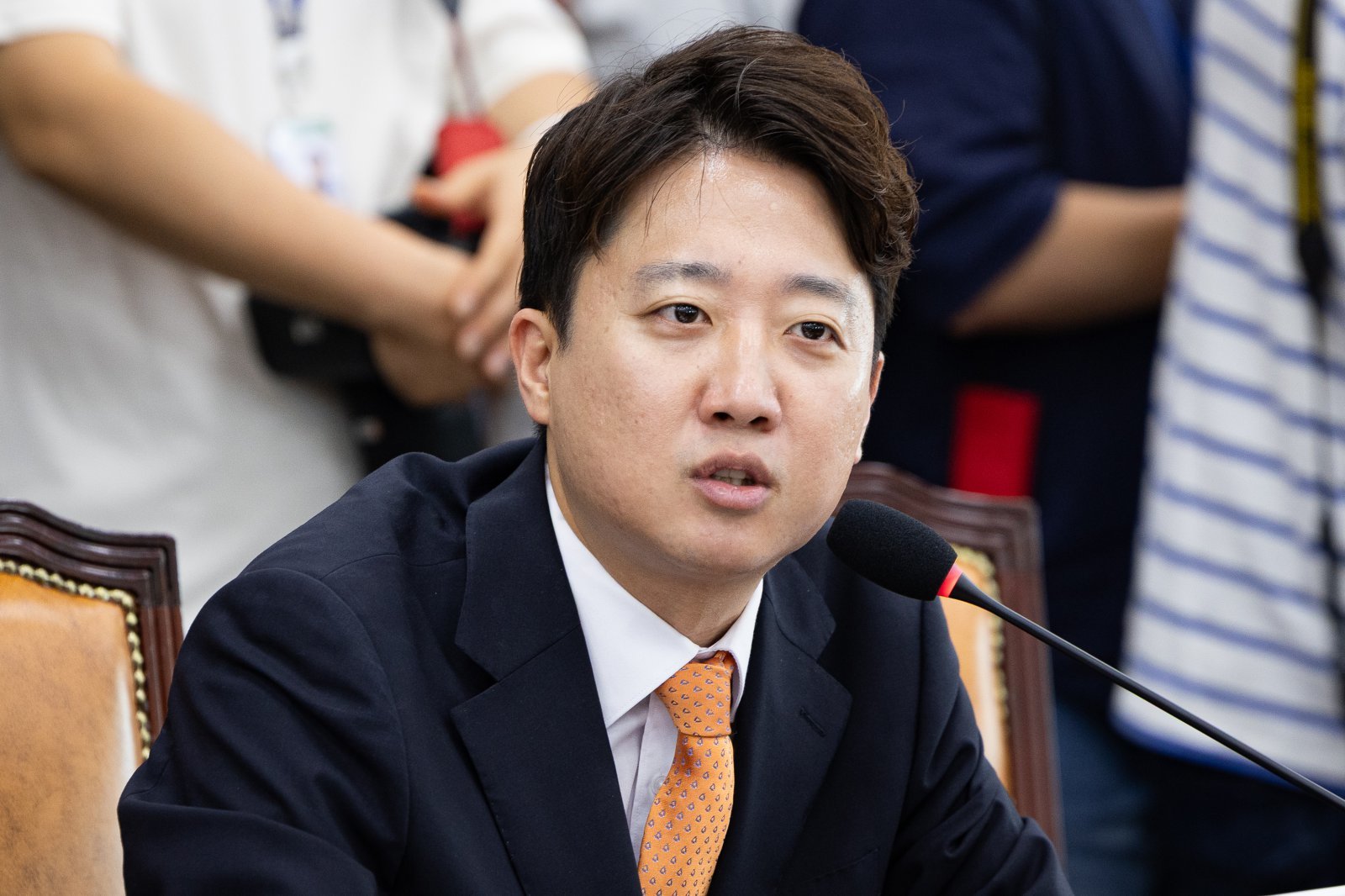
Lee Jun-seok, the leader of South Korea's Reform Party, announced his resignation on August 26, citing his responsibility for the party's poor showing in the recent June 3 local elections. The entire party leadership has followed suit, stepping down from their posts.
In a press conference held at the National Assembly, Lee stated, "For over three months since the local elections, I have contemplated and proposed ways for the party's self-reliance and reform. However, I did not receive sufficient support within the party." He accepted full responsibility, saying, "The fault lies entirely with me, the leader, for failing to persuade others." Lee added that if he had inadvertently hindered the progress of other party members, vacating his position would be the right course of action for the party's benefit. He affirmed his commitment to continue serving as a party member and as the National Assembly member for Dongtan 2 New City.
For over three months since the local elections, I have contemplated and proposed ways for the party's self-reliance and reform. However, I did not receive sufficient support within the party. The fault lies entirely with me, the leader, for failing to persuade others.
Following Lee's announcement, the Reform Party confirmed the collective resignation of its leadership, including the party leader, supreme council members, and policy chief. The party stated that Chun Ha-ram, the current floor leader, would take over as interim leader. Chun is tasked with organizing a national convention to elect new leadership.
The resignations come after a challenging period for the Reform Party, which has struggled to gain traction following the local elections. The party has also been embroiled in internal disputes, including the controversy surrounding a former Busan mayoral candidate's alleged self-staged "terrorist" incident. Lee's departure signals a significant shake-up as the party seeks to regroup and redefine its strategy.
If I had inadvertently hindered the progress of other party members, vacating my position would be the right course of action for the party's benefit.
DistantNews Editorial
Originally published by Hankyoreh in Korean. Translated, summarized, and contextualized by our editorial team with added local perspective. Read our editorial standards.
More Stories


From Our Blog

What Gets Lost (and Found) When News Is Translated

The Critical Role of Diaspora Media in Global News

What Travellers Should Know About Countries with Restricted Press

A Digital Nomad's Guide to Following Local News

How the Same Story Looks Different in Different Countries
