



Reform UK conference: Are the rebels losing momentum?
Translated from German and summarized by DistantNews. Read the original for the full story.
At a glance
Analysis
Sources not specified
Context piece
- Nigel Farage told Reform UK supporters in Birmingham that he expects to become Britain's prime minister and outlined a program focused on his first 100 days in Downing Street.
- He attacked newly appointed Labour Prime Minister Andy Burnham as a "messiah without a mandate," contrasting Burnham's parliamentary support with Reform UK's gains in local council seats.
- The party's confident presentation comes as its popularity ratings decline, putting pressure on Farage's claim to power.
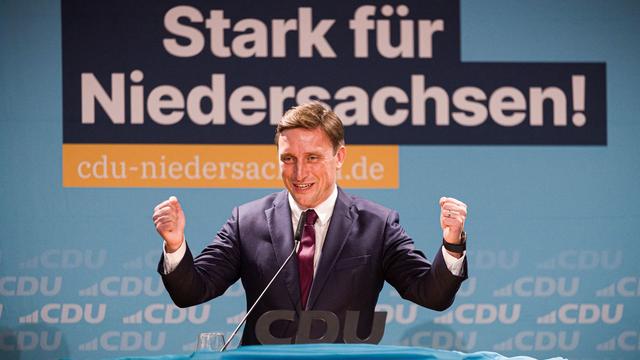
Nigel Farage arrived at Reform UK's conference in Birmingham with his eyes on Downing Street. The message emblazoned across the gathering is "the first 100 days," referring to the opening period of a Reform UK government. Farage does not appear to doubt that he will be the man leading it.
He used his speech to attack the newly installed Labour prime minister, Andy Burnham, calling him a "messiah without a mandate." Farage's argument was that only a few tens of thousands of voters in Burnham's northern English home region helped put the Labour politician into Parliament and, from there, into the prime minister's office.
Reform UK's own record, Farage told thousands of supporters in the main hall of the vast exhibition centre, looked different. The party has won more than 2,000 new council seats in two local elections since last year. That result forms the core of his claim that Reform UK has the stronger democratic momentum.
Yet the self-assured performance also sidesteps an awkward reality for the party: its popularity ratings are falling. The conference presents Farage's route to government as a near certainty, even as the party faces pressure over whether its electoral rise can continue.
Messiah without a mandate
About this summary
Originally published by Die Zeit in German. Translated, summarized, and contextualized automatically by DistantNews, with a note on how the source frames the story. Not individually reviewed before publishing. How this works.
More Stories
From Our Blog

News in Translation: What Gets Lost, and How We Keep the Framing

The Same Story, Different Countries: How Coverage Changes at the Border

Diaspora Media: How Communities Follow News From Home

Traveling Where the Press Is Not Free: How to Read the News There

The Digital Nomad's Guide to Local News
