


Regular Exercise After Kidney Transplant Linked to Lower Graft Failure and Death Risks
Translated from Korean and summarized by DistantNews. Read the original for the full story.
At a glance
News
Named sources
Context piece
- Researchers followed 12,175 kidney transplant recipients for more than seven years using South Korea’s National Health Insurance data.
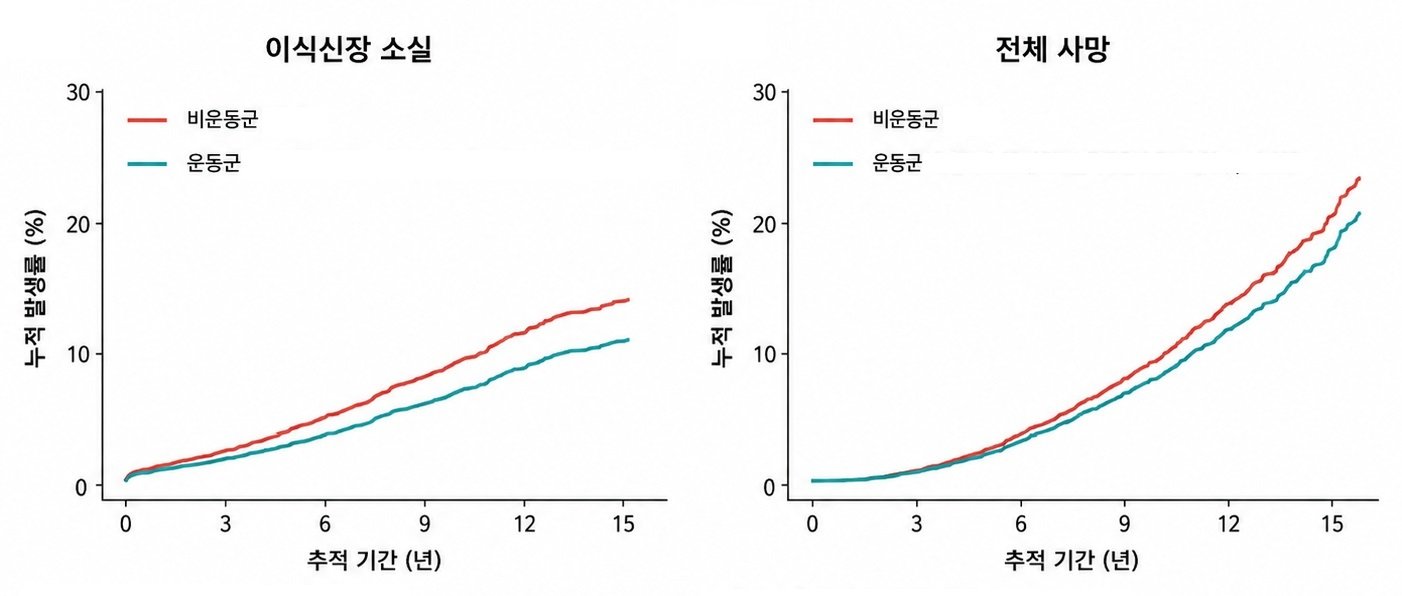
- Patients who exercised regularly had 28% lower risk of transplant kidney function loss and 15% lower mortality than those who did not exercise.
- About 150 minutes of moderate exercise a week, including brisk walking, produced the most consistent benefits.
For people living with a transplanted kidney, regular exercise may help protect both the graft and the patient, according to a South Korean study.
Researchers from Severance Hospital and the Armed Forces Capital Hospital analyzed National Health Insurance data for 12,175 kidney transplant recipients. They divided the patients into groups based on whether they exercised regularly and followed them for an average of more than seven years.
This study provides evidence that regular exercise can improve both transplant kidney survival and patient survival.
Recipients who exercised regularly had a 28% lower risk of losing transplant kidney function and a 15% lower risk of death compared with those who did not exercise. The results remained consistent after researchers adjusted for age, sex, diabetes, high blood pressure, other health conditions and kidney function.
If exercise counseling and programs tailored to each patient’s condition are actively used in clinical care, they are expected to help improve long-term treatment outcomes.
The study found that maintaining a sufficient amount of exercise mattered more than exercising at high intensity. Moderate activity, such as brisk walking for about 150 minutes a week, showed the most consistent benefits. The researchers said patients may benefit without undertaking strenuous workouts.
Professor Lee Joo-han said the findings provide evidence that regular exercise can improve both transplant kidney survival and patient survival. He said exercise advice and tailored programs could be incorporated into medical care, while noting that the study relied on self-reported exercise surveys. Further research will examine the effects of different exercise intensities and types more objectively. The findings appeared in the International Journal of Surgery.
Because this study analyzed exercise levels based on patients’ self-reported surveys, we will continue follow-up research to verify more objectively the effects according to exercise intensity and type.
About this summary
Originally published by Dong-A Ilbo in Korean. Translated, summarized, and contextualized automatically by DistantNews, with a note on how the source frames the story. Not individually reviewed before publishing. How this works.
More Stories



From Our Blog

What Gets Lost (and Found) When News Is Translated

The Critical Role of Diaspora Media in Global News

What Travellers Should Know About Countries with Restricted Press

A Digital Nomad's Guide to Following Local News

How the Same Story Looks Different in Different Countries
