

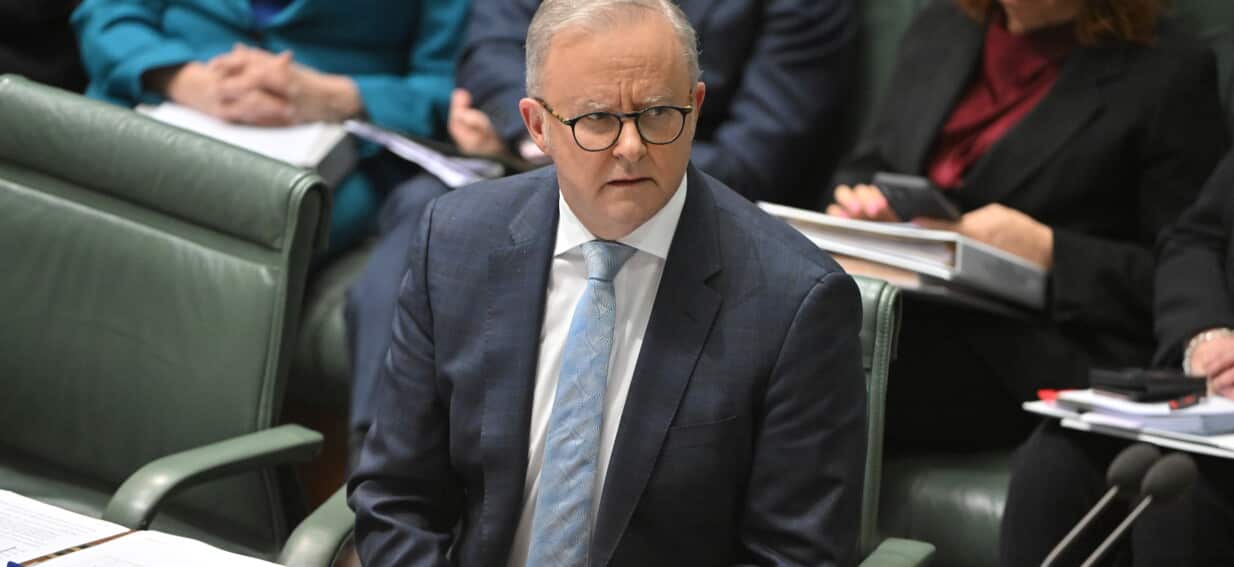

Regulator, Telstra brace for grilling over emergency service outage
Translated from English, summarized and contextualized by DistantNews.
At a glance
News
Named sources
Context piece
- Australia's communications regulator, ACMA, is preparing to face questions from a Senate inquiry regarding a widespread Telstra outage that disrupted emergency services.
- Months before the July 8 outage, ACMA issued legal threats to a consumer group, ACCAN, over its research indicating one in 10 consumers had trouble accessing emergency services from mobile phones.
- Telstra executives are also scheduled to be questioned by the Senate committee about the network failure and its impact on emergency call access.
Australia's communications regulator, ACMA, faces scrutiny as it prepares to be questioned by a Senate committee over a nationwide Telstra outage. The outage on July 8 left many unable to connect to emergency services, raising serious concerns about public safety.
ACCAN never claimed anything other than what consumers told us was their experience.
Adding to the controversy, ACMA had previously issued legal threats to the Australian Communications Consumer Action Network (ACCAN). In March, months before the Telstra failure, ACCAN released research suggesting that one in 10 consumers had experienced difficulties accessing the Triple Zero (000) emergency service from their mobile phones due to network outages. ACMA demanded the research methodology and threatened ACCAN with significant penalties, including potential jail time for individuals, for non-compliance.
We felt that that was really unnecessary and definitely overreach.
ACCAN chief executive Carol Bennett expressed confusion and called ACMA's actions "unnecessary and definitely overreach." She stated that ACCAN was merely reporting consumer experiences. Telstra's chief executive and senior executives are also slated to appear before the Senate committee to address the disruptive outage. ACMA itself is investigating whether Telstra adhered to its regulatory obligations concerning emergency call services and outage communications.
It involves a threat of imprisonment or fines of up to $30,000 for individuals or $90,000 per organisation who are non-compliant with the direction.
DistantNews Editorial
Originally published by ABC Australia in English. Translated, summarized, and contextualized by our editorial team with added local perspective. Read our editorial standards.
More Stories


From Our Blog

What Gets Lost (and Found) When News Is Translated

The Critical Role of Diaspora Media in Global News

What Travellers Should Know About Countries with Restricted Press

A Digital Nomad's Guide to Following Local News

How the Same Story Looks Different in Different Countries
