

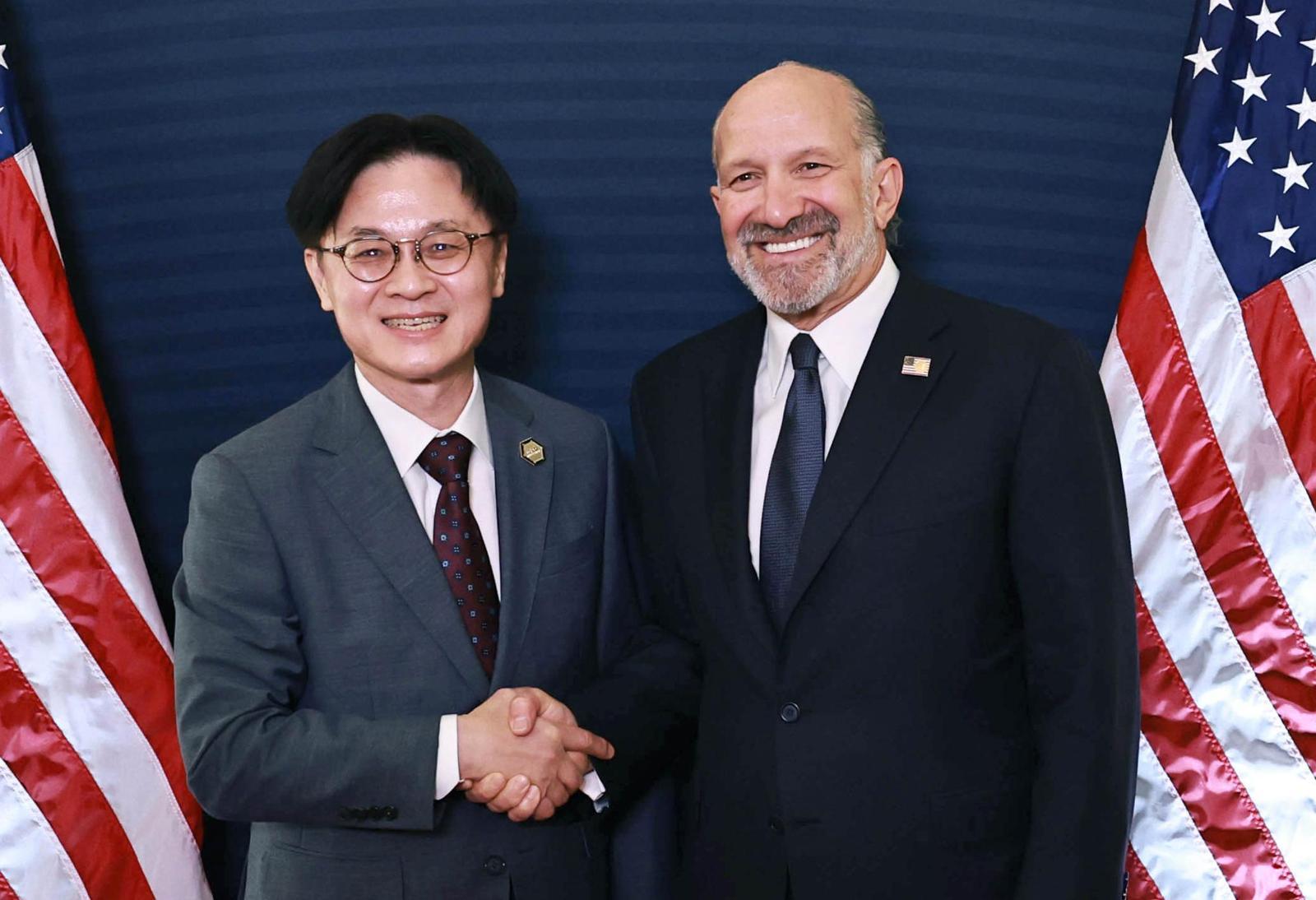

Reinvestment or Redistribution? South Korea Debates Use of Semiconductor Windfall
Translated from Korean and summarized by DistantNews. Read the original for the full story.
At a glance
News
Sources not specified
Context piece
- South Korean government officials are debating how to utilize the unprecedented surplus tax revenue generated by the booming semiconductor industry.
- Proposals range from investing in future industries like AI, small modular reactors, and new materials to strengthening the social safety net.
- There's a division among ministries, with some advocating for "productive reinvestment" in industries and others emphasizing "profit redistribution" to address wage gaps and support smaller companies.
South Korea's government is grappling with how to best allocate a windfall of surplus tax revenue, largely driven by the immense profits of its semiconductor sector. As companies like Samsung Electronics and SK Hynix post record earnings, officials are divided on whether to reinvest this wealth into future growth engines or redistribute it to bridge economic disparities.
We must boldly invest in the second and third memory semiconductors.
Key figures in the Ministry of Economy and Finance, including Deputy Prime Minister and Minister Koo Yoon-cheol and Minister of Planning and Budget Park Hong-keun, have voiced a strong preference for aggressive investment. They propose channeling a significant portion of the surplus into "second and third memory semiconductor" initiatives and other cutting-edge industries such as small modular reactors, superconductors, and new materials. The idea is to create a virtuous cycle where strategic spending fuels economic growth, which in turn generates more tax revenue.
However, the Ministry of Trade, Industry and Energy, represented by Minister Kim Jung-kwan, emphasizes "productive reinvestment" to secure future competitiveness, particularly in leveraging the AI boom. This perspective focuses on ensuring companies invest their profits back into innovation and expansion, supported by government initiatives.
Now is the time when the water is coming in.
In contrast, the Ministry of Employment and Labor, led by Minister Kim Young-hoon, advocates for a greater focus on "profit redistribution." He argues that the success of the semiconductor industry is a collective effort involving not just large corporations but also their suppliers and workers. Kim suggests exploring concepts like "Korean-style social solidarity wages" to reduce income gaps between large and small enterprises, and regular and non-regular workers, fostering broader growth within the entire semiconductor ecosystem.
It is a critical time to connect the profits generated by the semiconductor industry to 'productive reinvestment' for the future.
The Presidential Office has adopted a stance of open deliberation, seeking to gather diverse public opinions before making a final decision. This approach underscores a commitment to leveraging collective intelligence and listening to the public's voice on how this significant economic surplus should be managed.
Let's create real growth together with labor through the co-growth of partner companies.
About this summary
Originally published by Hankyoreh in Korean. Translated, summarized, and contextualized automatically by DistantNews, with a note on how the source frames the story. Not individually reviewed before publishing. How this works.
More Stories


From Our Blog

News in Translation: What Gets Lost, and How We Keep the Framing

Diaspora Media: How Communities Abroad Follow Home

Traveling Where the Press Is Not Free: How to Read the News There

The Digital Nomad's Guide to Local News

The Same Story, Different Countries: How Coverage Changes at the Border
