


Renewable Energy: How Katherina Reiche is Dismantling the Citizen Energy Transition
Translated from German and summarized by DistantNews. Read the original for the full story.
At a glance
Analysis
Sources not specified
Context piece
- A conflict is brewing over Germany's energy transition, pitting renewable energy expansion against the interests of network operators and the gas lobby.
- Economics Minister Katherina Reiche's proposed legislation is facing opposition from Environment Minister Carsten Schneider.
- The outcome will determine whether the government prioritizes energy security, economic interests, or environmental goals.
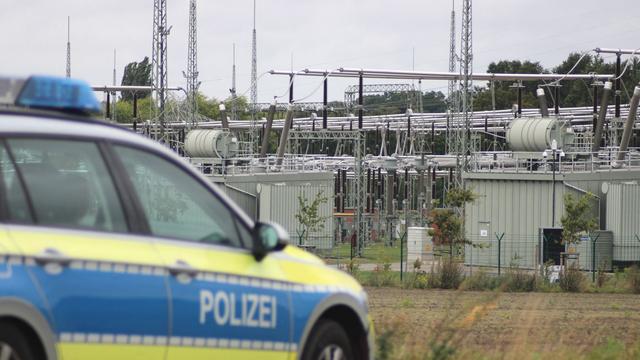
Germany stands at a critical juncture regarding its energy transition, with a legislative battle emerging over the future of renewable energy expansion. The core of the conflict lies in a dispute between prioritizing the growth of renewables and catering to the interests of network operators and the powerful gas lobby.
In the coming days, it will be decided whether this government still wants the energy transition. Or whether the gas lobby wins and can slow down the expansion of renewables.
Economics Minister Katherina Reiche has drafted legislative packages that critics argue could slow down the expansion of renewable energy sources. These proposals are reportedly facing significant resistance from Environment Minister Carsten Schneider, who aims to prevent or at least mitigate their impact. The situation highlights a clear division within the government on the direction of energy policy.
The debate is framed as a choice between advancing the country's climate goals and potentially caving to established industry interests. The outcome is seen as symbolic, representing a broader decision about whether the government will uphold its commitments to energy security, economic competitiveness, and environmental protection, or if it will be swayed by the influence of a few powerful companies.
But the reality is seldom so black and white. However, the fronts are exactly that clear in the legislative packages that Economics Minister Katherina Reiche (CDU) had drafted and which Environment Minister Carsten Schneider (SPD) wants to prevent or at least mitigate.
Sources suggest that the decisions made in the coming days will signal the government's true commitment to the energy transition. The conflict underscores the complex interplay of political, economic, and ecological factors at play, with significant implications for Germany's energy future and its role in combating climate change.
And their symbolism could hardly be greater. After all, the conflict is about nothing less than the security policy, economic, and also the ecological interests. And whether the government wants to violate them – in favor of a few companies. Which would be fatal.
About this summary
Originally published by Die Zeit in German. Translated, summarized, and contextualized automatically by DistantNews, with a note on how the source frames the story. Not individually reviewed before publishing. How this works.
More Stories


From Our Blog

News in Translation: What Gets Lost, and How We Keep the Framing

The Same Story, Different Countries: How Coverage Changes at the Border

Diaspora Media: How Communities Abroad Follow Home

Traveling Where the Press Is Not Free: How to Read the News There

The Digital Nomad's Guide to Local News
