


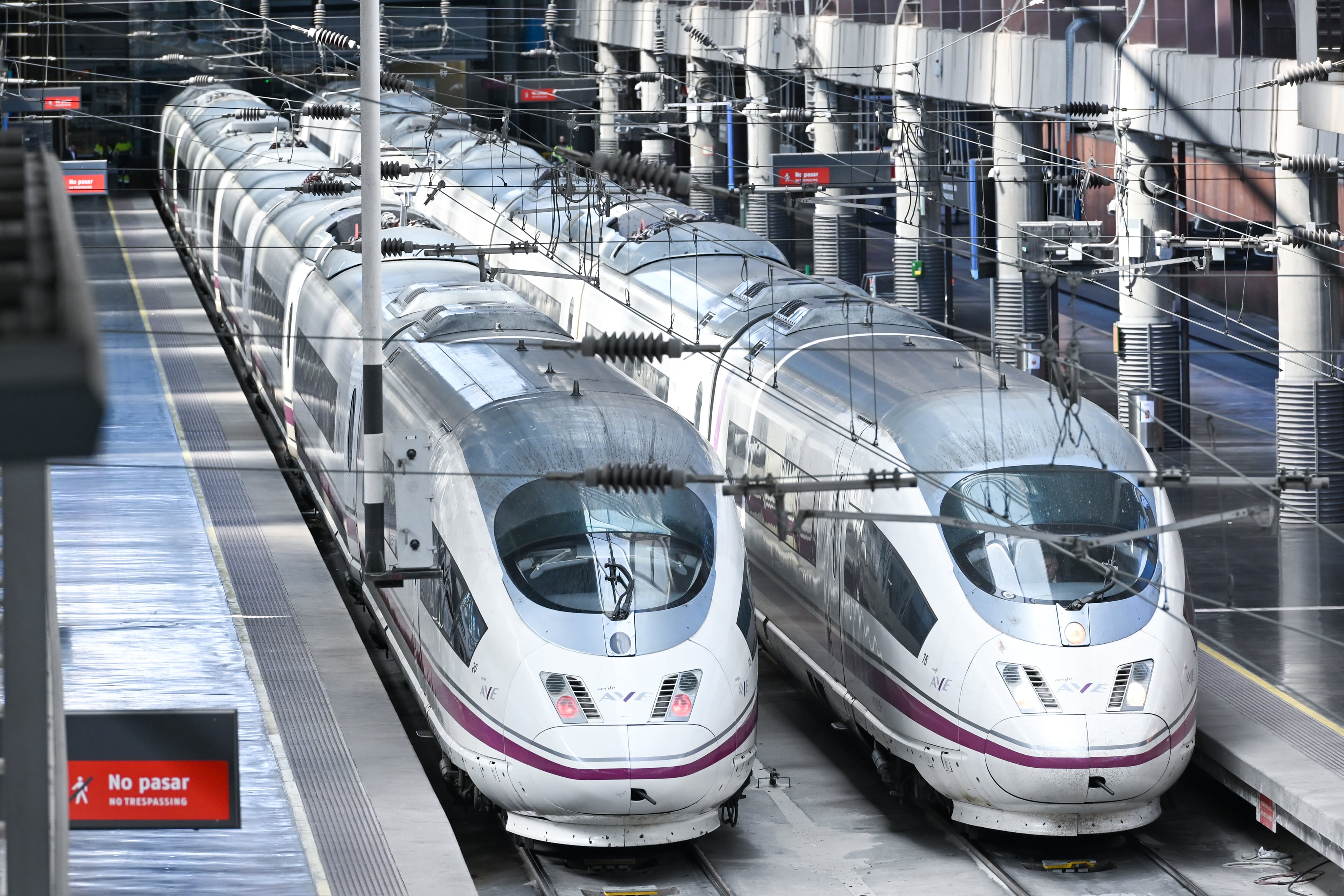
Renfe Strike on July 31 Threatens Summer Travel with Potential Train Cancellations
Translated from Spanish, summarized and contextualized by DistantNews.
At a glance
News
Named sources
Context piece
- Renfe faces a strike on July 31 called by the Railway Union, coinciding with the start of the summer travel season.
- Minimum service levels mean up to 322 AVE, Long Distance, and Medium Distance trains could be canceled.
- The union protests the train air conditioning system, while previous strikes focused on freight services.
Spain's national railway company, Renfe, is bracing for a strike on July 31, called by the Railway Union. This walkout occurs on the cusp of the summer holiday travel rush, potentially impacting thousands of travelers.
Minimum service requirements, set by the Ministry of Transport, will allow for the cancellation of up to 322 AVE, Long Distance, and Medium Distance trains. Specifically, 92 AVE and Long Distance trains out of 343 are at risk, meaning at least 73% will operate. For Medium Distance services, up to 230 of 662 trains could be affected, with 65% guaranteed to run.
The Ministry sets -- excluding the competencies transferred to Catalonia and the Basque Country -- 50% of trains in the off-peak hours and 75% in peak hour.
In commuter services (Cercanías), excluding Catalonia and the Basque Country, 50% of trains will run during off-peak hours and 75% during peak times. This translates to reduced frequency, with one train every 20 minutes on high-demand lines and hourly on secondary routes.
The Railway Union is protesting the current train air conditioning systems. This follows previous strikes in June and July that focused on the perceived abandonment of the freight service. Renfe, however, anticipates minimal impact, citing a low strike participation rate of around 2% in previous similar actions by this minority union, which resulted in only seven train cancellations.
The previous strikes of this same minority union had a global follow-up of the staff of around 2%, so the service could be operated practically normally on most of the railway network.
DistantNews Editorial
Originally published by El País in Spanish. Translated, summarized, and contextualized by our editorial team with added local perspective. Read our editorial standards.
More Stories



From Our Blog

What Gets Lost (and Found) When News Is Translated

The Critical Role of Diaspora Media in Global News

What Travellers Should Know About Countries with Restricted Press

A Digital Nomad's Guide to Following Local News

How the Same Story Looks Different in Different Countries
