

Report: Grid Bottlenecks Slowing China's Green Energy Growth
Translated from German, summarized and contextualized by DistantNews.
At a glance
News
Documents & data
Context piece
- A report by Global Energy Monitor (GEM) indicates that grid bottlenecks are hindering China's renewable energy expansion.
- New regulations in the electricity market and incentives for coal use are reducing the flexibility of the system.
- This leads to curtailment of wind and solar power, despite China's leading role in renewable energy development.
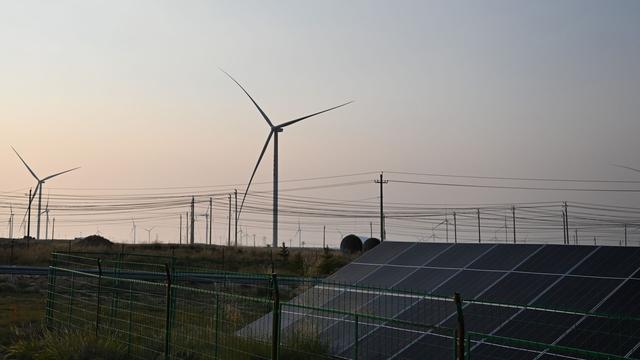
China's ambitious expansion of renewable energy sources is facing significant headwinds due to growing bottlenecks within its power grid, according to a new analysis by Global Energy Monitor (GEM).
The report highlights that increasing transmission constraints, coupled with new electricity market regulations and incentives favoring coal usage, are collectively stifling the flexibility of China's energy system. This situation results in the "curtailment" of wind and solar power – meaning energy that could have been generated under favorable weather conditions is instead reduced or entirely withheld.
The consequence is increasing curtailment: wind and solar power that could have been generated under the prevailing weather conditions was instead reduced or completely withheld.
While China leads the world in developing green energy, the challenge lies in transporting power from the vast solar and wind farms located in the northern and northwestern regions to the industrial hubs and densely populated metropolises along the eastern and southern coasts. Ultra-high-voltage transmission lines, designed to move large amounts of energy over thousands of kilometers with minimal loss, are crucial for this task. However, the report indicates that only about one-fifth of the power flowing through these lines comes from solar and wind, with coal accounting for 42 percent.
Despite these grid limitations, China continues its rapid build-out of renewable capacity. GEM experts estimate that China might meet its five-year plan goal of increasing the share of solar and wind power in its total electricity capacity to over 50 percent even before 2030. The nation is currently constructing solar parks with a total capacity of 262 gigawatts and wind farms totaling 251 gigawatts. However, the report underscores that the ultimate success of these renewable energy megaprojects hinges on the amount of coal power they actively displace.
Ultimately, the success of China's renewable energy megaprojects will be measured not by additional gigawatts, but by the amount of coal they actively displace.
DistantNews Editorial
Originally published by Die Zeit in German. Translated, summarized, and contextualized by our editorial team with added local perspective. Read our editorial standards.
More Stories


From Our Blog

What Gets Lost (and Found) When News Is Translated

How the Same Story Looks Different in Different Countries

The Critical Role of Diaspora Media in Global News

What Travellers Should Know About Countries with Restricted Press

A Digital Nomad's Guide to Following Local News
