


Report Urges Stronger Heat Protections for British Columbia Workers
Translated from English, summarized and contextualized by DistantNews.
At a glance
News
Sources not specified
New plan
- A new report calls for updated heat exposure regulations for workers in British Columbia, Canada.
- Current regulations, largely unchanged since 2005, are inadequate for increasingly frequent extreme heat events.
- Recommendations include clear temperature triggers for protections, mandatory training, and improved access to water and shade.
A new report highlights concerns over the adequacy of British Columbia's heat exposure regulations for workers, arguing they have not kept pace with the rising frequency of extreme heat events. The report from BC Policy Solutions suggests that current rules, which have seen minimal updates since 2005, are insufficient to protect outdoor laborers.
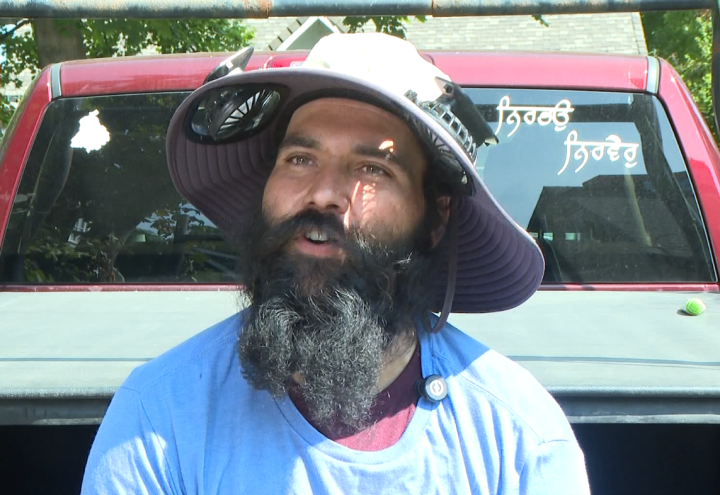
The report points to a significant increase in heat-related illness claims following the province's devastating 2021 heat dome, emphasizing the urgent need for stronger protections. Outdoor workers, such as roofers, are particularly vulnerable. Simranpreet Singh, a senior roofer, described the physical toll, stating, "We get really drained on the roof. We try to drink as much water as possible... We try to stay as hydrated as possible."
We get really drained on the roof. We try to drink as much water as possible, or Gatorade, anything with electrolytes. We try to stay as hydrated as possible.
Site supervisor Victor Neilson noted the rapid onset of heat exhaustion symptoms, including dizziness and "brain fog." He mentioned that nearly every member of his crew has taken days off this year due to extreme heat. The report proposes implementing clear temperature thresholds that would automatically mandate employer-provided protections like water, shade, and paid rest breaks.
Beyond temperature triggers, the recommendations include mandatory heat illness training, acclimatization plans for workers, better access to cool drinking water and washrooms, stronger enforcement measures, and protections for vulnerable workers. The report also suggests broader government actions, such as hazard pay during extreme heat and improved housing for migrant workers. WorkSafeBC has acknowledged the need for updated regulations regarding outdoor work in heat, indicating a willingness to revise its guidelines.
The most common thing is dizziness. When you get heat exhaustion, you get brain fog and dizzy spells. Things just don’t feel quite right.
DistantNews Editorial
Originally published by Global News in English. Translated, summarized, and contextualized by our editorial team with added local perspective. Read our editorial standards.
More Stories
From Our Blog

What Gets Lost (and Found) When News Is Translated

The Critical Role of Diaspora Media in Global News

What Travellers Should Know About Countries with Restricted Press

A Digital Nomad's Guide to Following Local News

How the Same Story Looks Different in Different Countries
