


Rescue efforts for stranded whale off Poel Island continue amid expert doubts
Translated from German, summarized and contextualized by DistantNews.
TLDR
- A private initiative is continuing efforts to free a humpback whale stranded off the coast of Poel Island in the Baltic Sea.
- Preparations have been underway for days, but experts express concerns about the rescue's chances of success due to the whale's weakened state.
- The rescue attempt, involving lifting the whale with air cushions and pontoons, was delayed but is scheduled to resume, with authorities permitting the operation while placing full responsibility on the initiators.
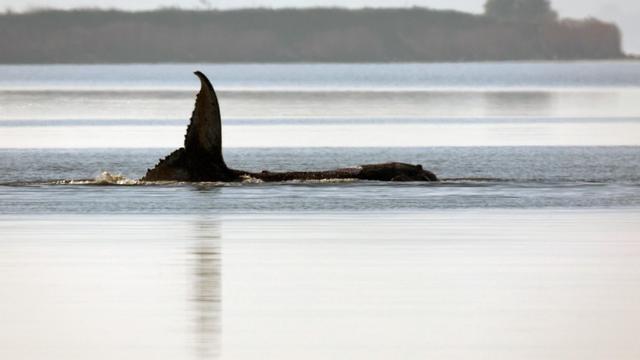
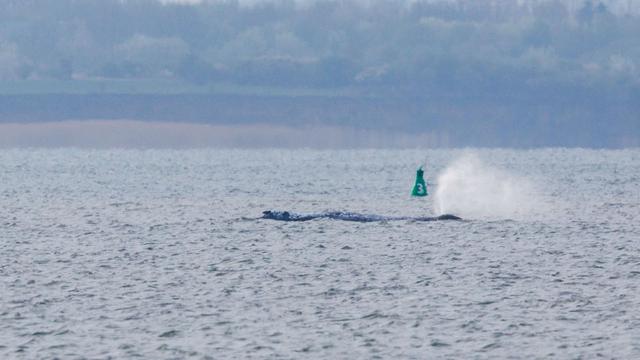
On the Baltic Sea island of Poel, a dedicated private initiative is pressing forward with a complex rescue operation for a humpback whale that has been stranded in shallow waters for 19 days. The mission, spearheaded by MediaMarkt founder Walter Gunz and Karin Walter-Mommert, aims to lift the disoriented and weakened animal using air cushions and floating pontoons, then tow it towards the North Sea or the Atlantic.
We are one day behind.
Despite the organizers' best intentions and assurances that they are acting "to the best of their knowledge" to prevent prolonged suffering, a significant rift exists between the private group and marine experts. Several specialists have advised against further rescue attempts, citing the whale's poor condition and low chances of survival. Greenpeace, which previously participated in rescue efforts, is not supporting this new initiative, with a spokesperson stating the whale is unlikely to reach the North Sea and will probably drown due to its weakened state.
We are acting to the best of our knowledge for the animal and do not want to prolong suffering.
Local authorities in Mecklenburg-Vorpommern have approved the operation, with Environment Minister Till Backhaus emphasizing that full responsibility lies with the initiators. While the whale has shown signs of activity, including tail slaps, the prolonged stranding raises serious questions about its viability. This situation highlights the difficult ethical dilemmas faced in wildlife rescue, balancing the desire to help with the scientific assessment of an animal's chances of survival. The initiative's determination, contrasted with expert skepticism, underscores the emotional and practical challenges of such endeavors.
The chances that it will end up in the North Sea and swim freely there are slim.
DistantNews Editorial
Originally published by Die Zeit in German. Translated, summarized, and contextualized by our editorial team with added local perspective. Read our editorial standards.
More Stories

From Our Blog

What Gets Lost (and Found) When News Is Translated

How the Same Story Looks Different in Different Countries

The Critical Role of Diaspora Media in Global News

What Travellers Should Know About Countries with Restricted Press

A Digital Nomad's Guide to Following Local News
