


Research and Business: More Support for Scientists Founding Companies
Translated from German, summarized and contextualized by DistantNews.
At a glance
News
Named sources
New plan
- Rheinland-Pfalz aims to boost support for scientists pursuing university spin-offs.
- The initiative seeks to connect researchers with business partners and funding to commercialize their ideas.
- The state emphasizes strengthening entrepreneurship culture and improving knowledge transfer, particularly in biotech and AI.
Rheinland-Pfalz is launching a concerted effort to transform academic research into viable businesses. The state government intends to provide scientists at its universities with more systematic support to help them develop their research into commercial ventures. "We want to offer our scientists at the universities a much more systematic service, so they get partners by their side, allowing their research to be backed by a business idea," stated Science Minister Clemens Hoch. He is spearheading this project alongside Economics Minister Michael Ebling, both from the SPD party.
Our scientists at the universities, we want to offer them a much more systematic service, so they get partners by their side, allowing their research to be backed by a business idea.
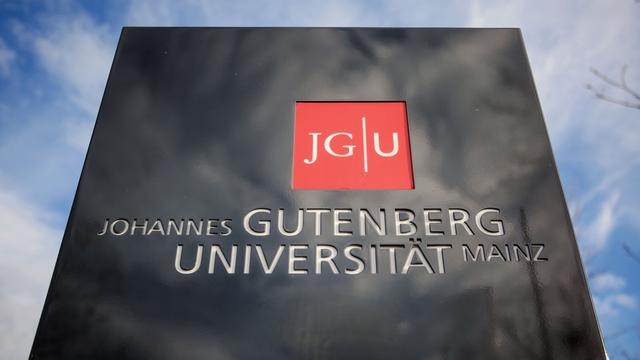
The initiative draws inspiration from the success of the Tron research institute, a spin-off from the Johannes Gutenberg University Mainz. The coalition agreement between the SPD and CDU parties highlights this success as a model. The plan involves strengthening the "founding culture" within universities and higher education institutions through dedicated spin-off offices. It also aims to enhance knowledge and technology transfer across the entire value chain, potentially using "scouting hubs" to identify promising innovations. The goal is to embed entrepreneurial skills into university curricula and develop targeted support programs for founders.
Inspired by these successes, we want to strengthen the founding culture in the university and higher education sector with spin-off offices and improve knowledge and technology transfer along the entire value chain, for example through scouting hubs.
Hoch stressed the need for better coordination to ensure that innovations emerging from universities are effectively identified and leveraged. He believes this requires individuals with expertise in the startup world and venture capital, rather than simply creating new administrative positions at each university. The minister sees significant potential in the fields of biotechnology and artificial intelligence for these spin-offs. Economics Minister Ebling added, "Good research should have an impact." His ministry is providing EU funding to help Rheinland-Pfalz's universities and research institutions translate scientific findings into innovations, aiming to create new products, successful companies, and innovative business models that contribute to economic growth and competitiveness in the region.
We need people who understand the world of startups, the world of venture capital.
Bernhard Hauer, a professor at the Institute for Biotechnology and Drug Research in Mainz with extensive experience in industry and venture capital, highlighted the critical and often underestimated transition from laboratory research to production for startups. He noted that many promising research findings remain dormant because scientists are not always motivated or aware of the possibilities of entrepreneurship. Hauer emphasized that a successful product requires more than just scientific merit; it demands market understanding, strategic networking, and clear awareness of economic opportunities. He suggested that collaborations among researchers can unlock significant potential, but stressed the need for initial capital and a deep understanding of interconnected processes from an early stage.
Good research should have an impact.
DistantNews Editorial
Originally published by Die Zeit in German. Translated, summarized, and contextualized by our editorial team with added local perspective. Read our editorial standards.
More Stories

From Our Blog

What Gets Lost (and Found) When News Is Translated

How the Same Story Looks Different in Different Countries

The Critical Role of Diaspora Media in Global News

What Travellers Should Know About Countries with Restricted Press

A Digital Nomad's Guide to Following Local News
