


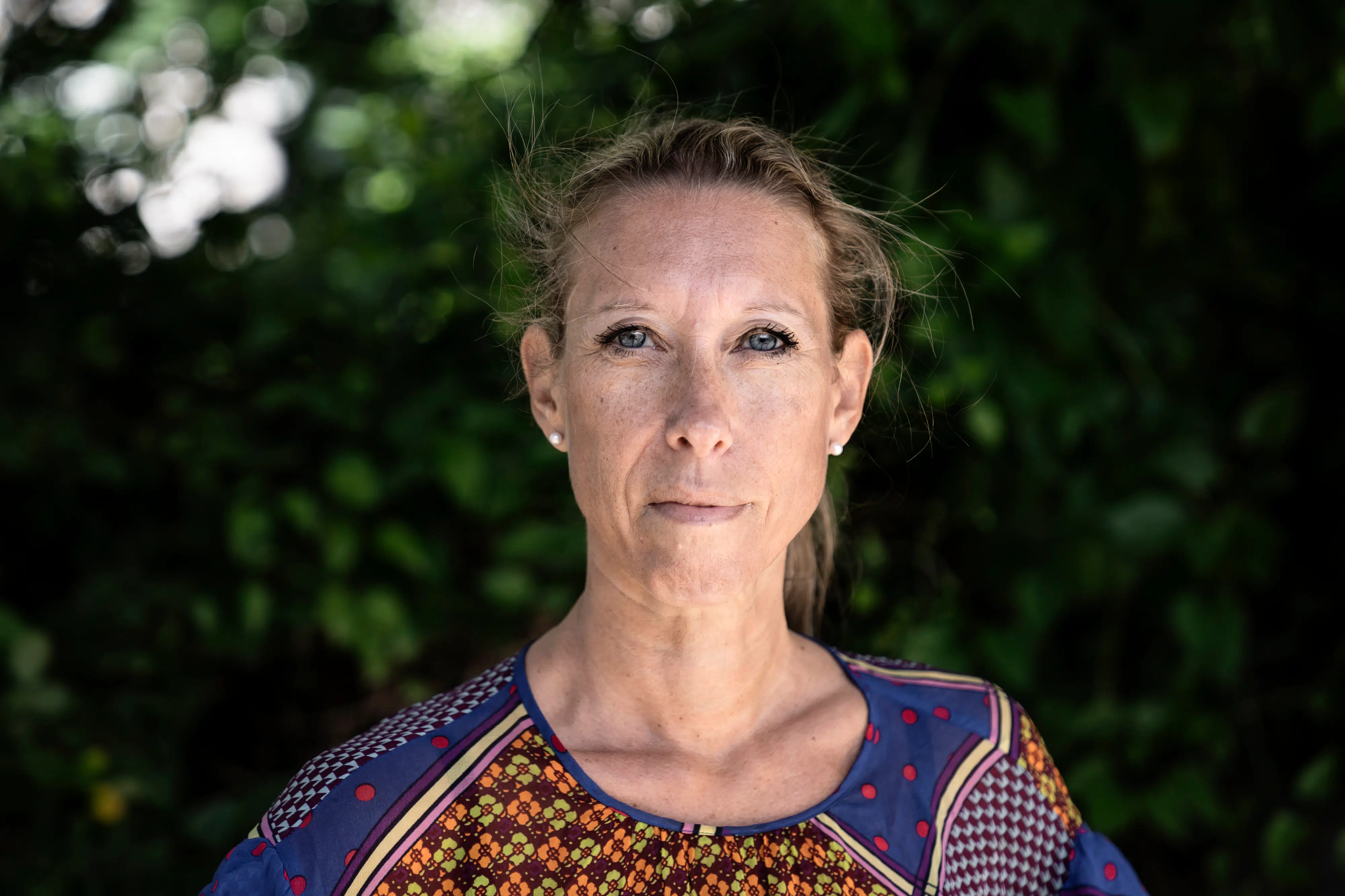
Researcher finds paradox: More work doesn't always mean more stress
Translated from Danish, summarized and contextualized by DistantNews.
At a glance
News
Sources not specified
Context piece
- New research suggests that working fewer hours does not necessarily lead to less stress, challenging a common assumption.
- The study indicates that individuals working more hours are often less stressed, a finding that appears paradoxical.
- The article references related topics such as narcissism diagnosis and the psychology of relationships.
A seemingly paradoxical finding suggests that working fewer hours does not automatically equate to reduced stress levels. New data indicates that individuals who work more may, in fact, experience less stress, challenging the widely held belief that reduced working hours are the key to alleviating workplace pressure.
This research delves into the complex relationship between work, time, and stress. While intuitively one might expect a direct correlation between longer hours and increased stress, the emerging evidence points to a more nuanced reality. The study's implications suggest that factors beyond mere hours logged significantly influence an individual's stress experience.
The article also touches upon related psychological concepts, including the criteria used to diagnose narcissism and the factors contributing to successful relationships. These additional points, while not directly related to the primary finding on work hours and stress, broaden the scope of the discussion on well-being and interpersonal dynamics.
DistantNews Editorial
Originally published by Berlingske in Danish. Translated, summarized, and contextualized by our editorial team with added local perspective. Read our editorial standards.
More Stories



From Our Blog

What Gets Lost (and Found) When News Is Translated

The Critical Role of Diaspora Media in Global News

What Travellers Should Know About Countries with Restricted Press

A Digital Nomad's Guide to Following Local News

How the Same Story Looks Different in Different Countries
