


Resilience Means Overcoming Adversity, Not Avoiding Pain, Says Life Coach
Translated from Spanish, summarized and contextualized by DistantNews.
At a glance
In-depth
Named sources
Context piece
- Resilience is not the absence of pain but the ability to overcome adversity using internal and external resources.
- Life coach Gisela Gilges identifies five key resources: social, emotional, intellectual, economic, and future-oriented.
- These resources enable individuals to navigate crises effectively, preventing them from becoming permanently paralyzed by difficult experiences.
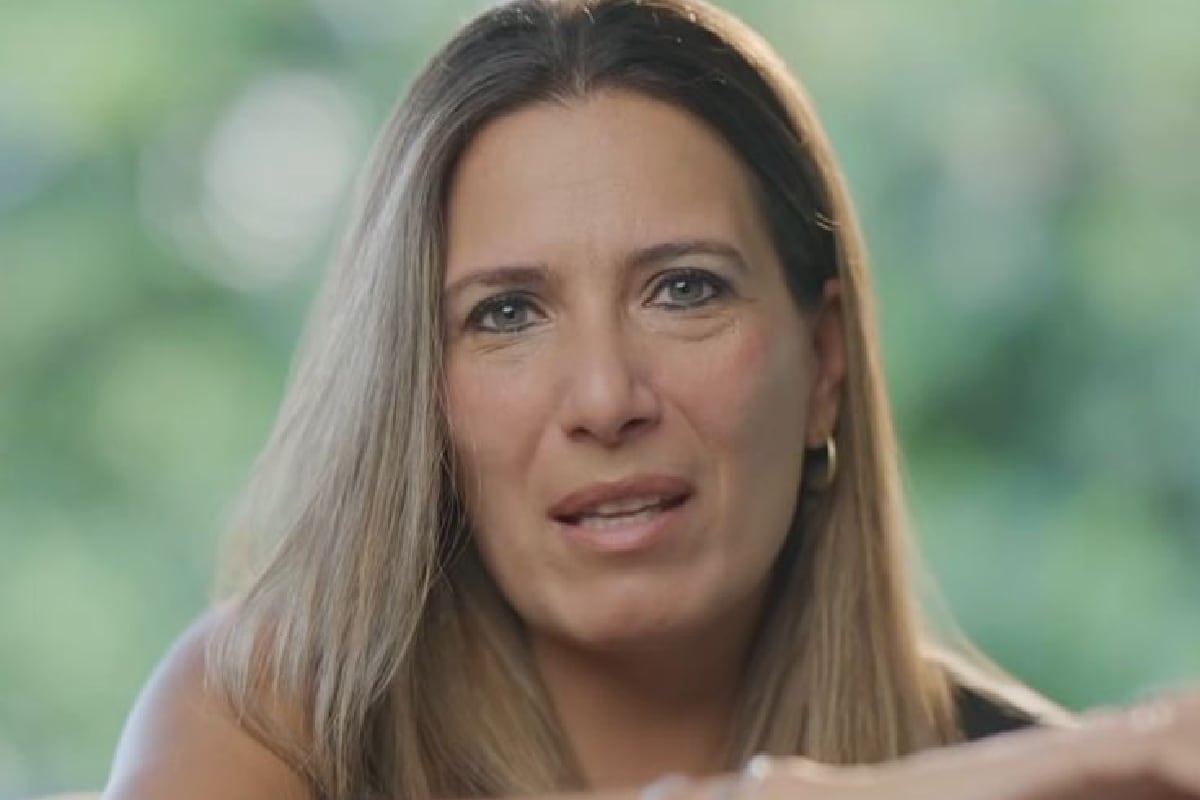
Resilience, according to life coach Gisela Gilges, is not about avoiding pain or emerging unscathed from hardship. Instead, it is the capacity to draw upon internal and external resources to surmount a crisis and avoid becoming permanently stuck in the aftermath of a setback.
It's not that it doesn't hurt, it's having the resources not to keep living in the place where life hit you.
"It's not that it doesn't hurt, it's having the resources not to keep living in the place where life hit you," Gilges explained, differentiating why some individuals recover from adversity while others remain paralyzed. She uses the analogy of descending a snowy mountain: doing so with proper equipment and guidance (skis, poles, helmet, instructor) is vastly different from attempting it with minimal gear (just "swimsuit, alone, with two boards tied to your feet and praying not to fall"). The mountain, snow, and slope are the same, but the presence of resources makes the crucial difference.
Gilges outlines five essential resources for navigating crises. The first is the social resource: not necessarily having a large circle of friends, but having "at least one real person" to turn to during difficult times. The second is the emotional resource – the ability to feel emotions without being consumed by them. "Many people don't get destroyed by what they feel, they get destroyed because they don't know what to do with what they feel," she warned.
The mountain is the same, the snow is the same and the slope is the same. But one person has resources to go through it, the other only has will.
The third resource is intellectual, involving clear thinking during challenging moments and recognizing that "the mind in crisis is not always the best place to make decisions." The fourth is the economic resource, which doesn't equate to wealth but rather having one's own funds and sufficient autonomy to avoid being trapped by dependence on others. "There are people with a lot of money and with zero real economic resource," she noted.
although it is only one real person
Finally, Gilges identifies the resource of the future: possessing a direction, a hope, a project, or a reason to move forward. She emphasizes that resilience is not solely about willpower but a concrete construction. "People don't sink just because of what happens. They sink because of the amount of resources they have or don't have to get through the chaos," she concluded, underscoring that a lack of these resources, rather than the crisis itself, is often the cause of downfall.
Many people don't get destroyed by what they feel, they get destroyed because they don't know what to do with what they feel.
DistantNews Editorial
Originally published by La Nación in Spanish. Translated, summarized, and contextualized by our editorial team with added local perspective. Read our editorial standards.
More Stories

From Our Blog

What Gets Lost (and Found) When News Is Translated

The Critical Role of Diaspora Media in Global News

What Travellers Should Know About Countries with Restricted Press

A Digital Nomad's Guide to Following Local News

How the Same Story Looks Different in Different Countries
