


Resilience, Morality, and the Search for Meaning in Adversity
Translated from Turkish, summarized and contextualized by DistantNews.
At a glance
Analysis
Sources not specified
Context piece
- The article explores how to find happiness and resilience amidst stressful environments, drawing on psychology and literature.
- It references Viktor Frankl's "logotherapy," emphasizing the human search for meaning as crucial for survival, even in extreme conditions like Nazi concentration camps.
- The piece contrasts different responses to stress, noting that while some may act unethically, others maintain their moral compass, using Frankl's observations from the camps as examples.
In challenging times, the question of how to maintain happiness and resilience is paramount. Rather than offering simplistic advice, this article delves into the profound insights from psychology and literature to explore the human capacity for enduring hardship.
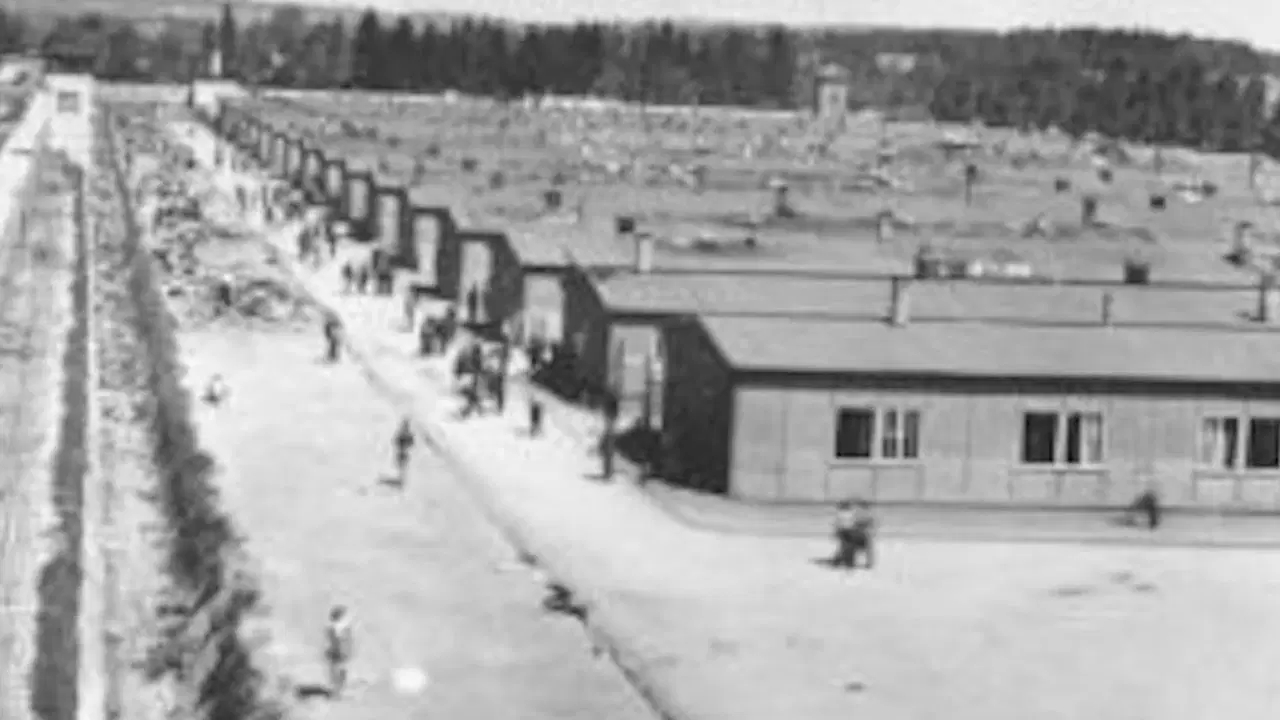
Drawing inspiration from psychiatrist Viktor Frankl's experiences in Nazi concentration camps and his development of "logotherapy," the article highlights the fundamental human drive for meaning. Frankl posited that individuals with a sense of purpose are more likely to survive even the most dire circumstances. For some prisoners, the hope of reuniting with loved ones served as this vital purpose. Frankl himself was motivated by the desire to document and share his experiences after liberation.
Man is responsible for finding the correct answer to the problems of life and to fulfill his specific duties to the world.
Conversely, those who lost all sense of meaning and purpose often succumbed to despair. Frankl observed that such individuals would sometimes extend their bedpans instead of their food plates during meal distributions, a symbolic act preceding their rapid decline and death within a week. This starkly illustrates the critical link between having a meaningful purpose and the will to live.
The article further examines the role of morality under duress, referencing Frankl's "Man's Search for Meaning." While stressful environments can push some individuals towards unethical behavior, others manage to retain their moral integrity. Frankl documented instances of "kapos", Jewish prisoners forced to assist the Nazis, acting with extreme cruelty, while some Nazi officers showed compassion towards prisoners. Frankl himself recounted an experience after the war where he urged a Jewish friend to avoid trampling on crops, demonstrating a continued adherence to ethical conduct even after immense suffering.
Everything can be taken from a man but one thing: the last of the human freedoms, to choose one's attitude in any given set of circumstances, to choose one's own way.
DistantNews Editorial
Originally published by Cumhuriyet in Turkish. Translated, summarized, and contextualized by our editorial team with added local perspective. Read our editorial standards.
More Stories



From Our Blog

What Gets Lost (and Found) When News Is Translated

The Critical Role of Diaspora Media in Global News

What Travellers Should Know About Countries with Restricted Press

A Digital Nomad's Guide to Following Local News

How the Same Story Looks Different in Different Countries
