


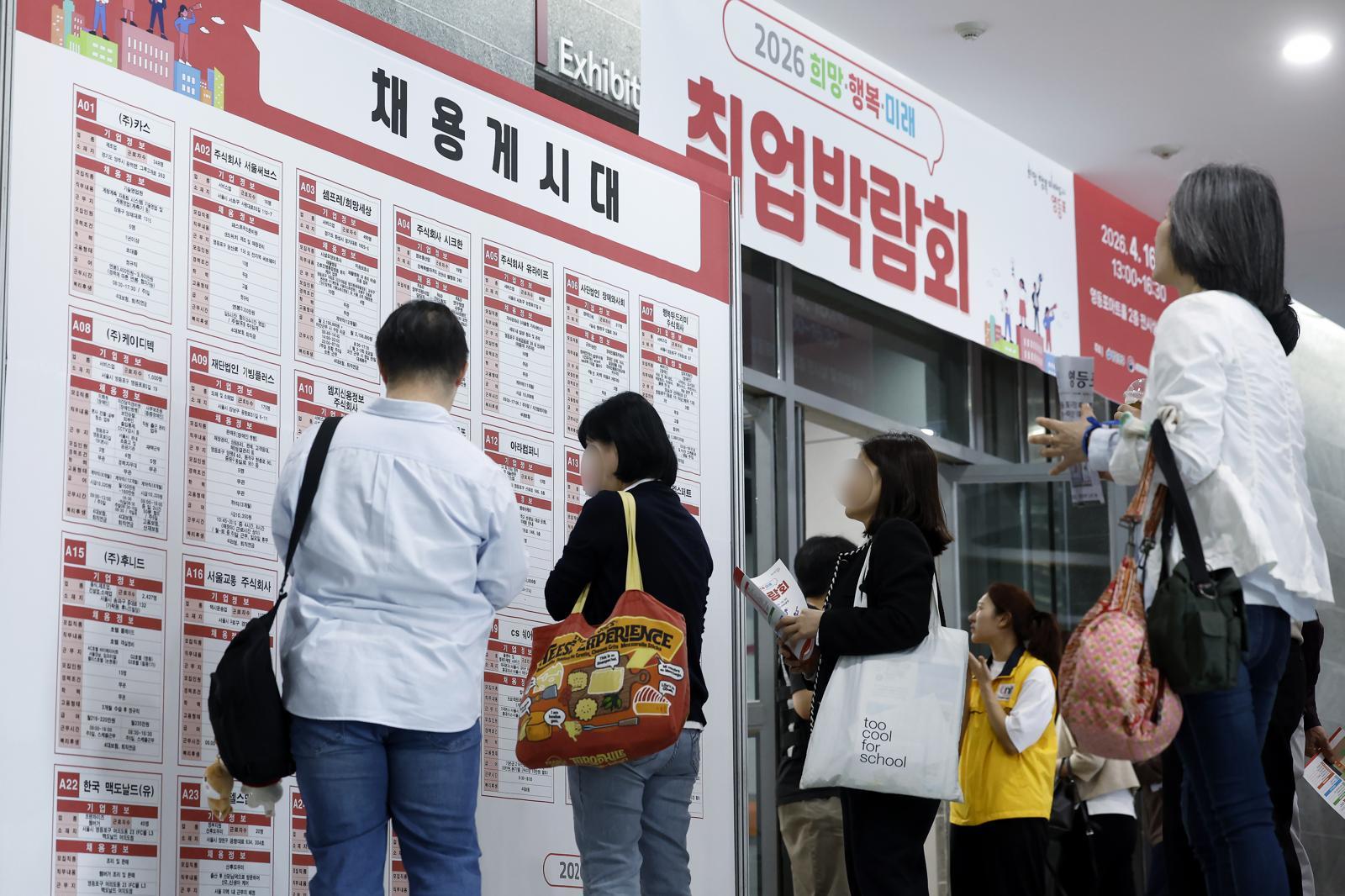
‘Resting Youth’ Increase for 3rd Consecutive Year, Concentrated Among College Graduates
Translated from Korean, summarized and contextualized by DistantNews.
TLDR
- The employment rate for young people aged 15-29 has declined for 23 consecutive months, with a notable increase in those identifying as 'taking a break' from job searching.
- This trend is particularly pronounced among highly educated individuals, with the duration of job searches extending significantly.
- Factors contributing to this include a preference for high-paying large corporations and a reduction in new job openings due to mandatory retirement ages.
A concerning trend is emerging in South Korea's youth labor market, as evidenced by recent data indicating a sustained decline in employment for those aged 15-29. For three consecutive years, the number of young people reporting they are 'taking a break' from job searching has been on the rise, a phenomenon that is disproportionately affecting university graduates. This suggests a growing disconnect between the aspirations of educated youth and the available opportunities, leading to extended periods of unemployment or underemployment.
Our analysis at Dong-A Ilbo reveals that the gap between large corporations and small and medium-sized enterprises (SMEs) in terms of wages is a significant driver of this issue. Young, highly educated job seekers are increasingly drawn to the allure of high salaries and perceived stability offered by major conglomerates. This 'concentration effect' exacerbates labor shortages in SMEs, creating a dual labor market where opportunities are unevenly distributed. The data shows a substantial wage disparity, with large company employees earning considerably more per hour than their counterparts in smaller firms or non-regular positions.
We need to implement policies to strengthen employment support services for unemployed youth and increase labor market flexibility to invigorate the labor market.
Compounding this problem is the impact of the mandatory retirement age, implemented in 2013. While this policy has led to an increase in employment among older workers, it appears to have had a less pronounced effect on creating new entry-level positions for young people. The employment index for older workers has significantly outpaced that for younger demographics, indicating that the labor market is not adapting quickly enough to accommodate the needs of the next generation of workers. This situation calls for urgent policy interventions to enhance employment support services for young people and to foster greater flexibility within the labor market to stimulate vitality and create more equitable opportunities.
The employment index for older workers was 246.9 last year, while the employment index for young people was only 135.5.
DistantNews Editorial
Originally published by Dong-A Ilbo in Korean. Translated, summarized, and contextualized by our editorial team with added local perspective. Read our editorial standards.
More Stories


From Our Blog

What Gets Lost (and Found) When News Is Translated

The Critical Role of Diaspora Media in Global News

What Travellers Should Know About Countries with Restricted Press

A Digital Nomad's Guide to Following Local News

How the Same Story Looks Different in Different Countries
