

Restrictions imposed on beekeepers due to foulbrood disease in Wittstock/Dosse
Translated from German, summarized and contextualized by DistantNews.
At a glance
News
From a news agency
New plan
- Special measures are in place for beekeepers in Wittstock/Dosse due to American Foulbrood disease detected in a neighboring district.
- The disease affects bee larvae but is not dangerous to humans or adult bees; honey remains safe for consumption.
- Restrictions include mandatory reporting, official examinations, and a ban on moving beehives and related materials out of the affected zone.
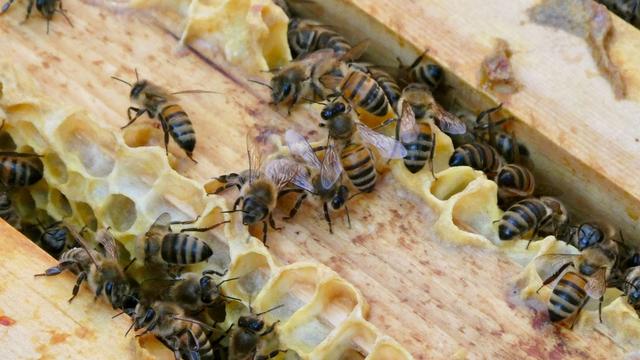
Beekeepers in parts of Wittstock/Dosse are now subject to special regulations following the detection of American Foulbrood, a serious bee disease, in a neighboring district. The Landkreis Ostprignitz-Ruppin has established a restricted zone encompassing areas of Wittstock/Dosse to combat the spread of the infection.
American Foulbrood is a highly contagious bacterial disease that specifically targets and destroys bee larvae. While it poses no danger to humans or adult bees, and honey and other bee products are safe to consume, the disease can lead to the mass death of bee colonies if spread by adult bees. This bacterial illness has been previously recorded in Brandenburg, with cases identified last year.
Within the designated restricted zone, beekeepers must report their colonies to the veterinary office for official examination. Furthermore, the movement of apiaries is prohibited. The general decree explicitly forbids the removal of bee colonies, live or dead bees, combs, honeycomb fragments, wax, honey, feed supplies, beehives, and any used equipment from the affected apiaries.
These measures aim to contain the disease and protect the health of bee populations, which are crucial for pollination and the ecosystem. The restrictions are effective starting Wednesday.
DistantNews Editorial
Originally published by Die Zeit in German. Translated, summarized, and contextualized by our editorial team with added local perspective. Read our editorial standards.
More Stories

From Our Blog

What Gets Lost (and Found) When News Is Translated

How the Same Story Looks Different in Different Countries

The Critical Role of Diaspora Media in Global News

What Travellers Should Know About Countries with Restricted Press

A Digital Nomad's Guide to Following Local News
