


Rethinking India's Muslim story: Neither invaders nor guests
Translated from English and summarized by DistantNews. Read the original for the full story.
At a glance
Analysis
Sources not specified
Context piece
- Indian politician Shashi Tharoor challenges the narrative that frames Islam's arrival in India primarily through conquest, suggesting it arrived via trade as "news, not sword."
- The prevailing Hindutva narrative often defines Muslims by historical invasions, impacting their sense of belonging and citizenship in present-day India.
- This historical framing creates social boundaries, distinguishing between those naturally part of the national story and those who must continually justify their presence.
Indian National Congress lawmaker Shashi Tharoor has intervened in the ongoing debate about India's historical narrative, particularly concerning the contributions of Muslims. Speaking at a conference, Tharoor challenged the common tendency to view India's past primarily through the lens of conquest. He highlighted that on India's southern coast, Islam initially arrived through ancient Arab trading connections, describing it as "news, not sword."
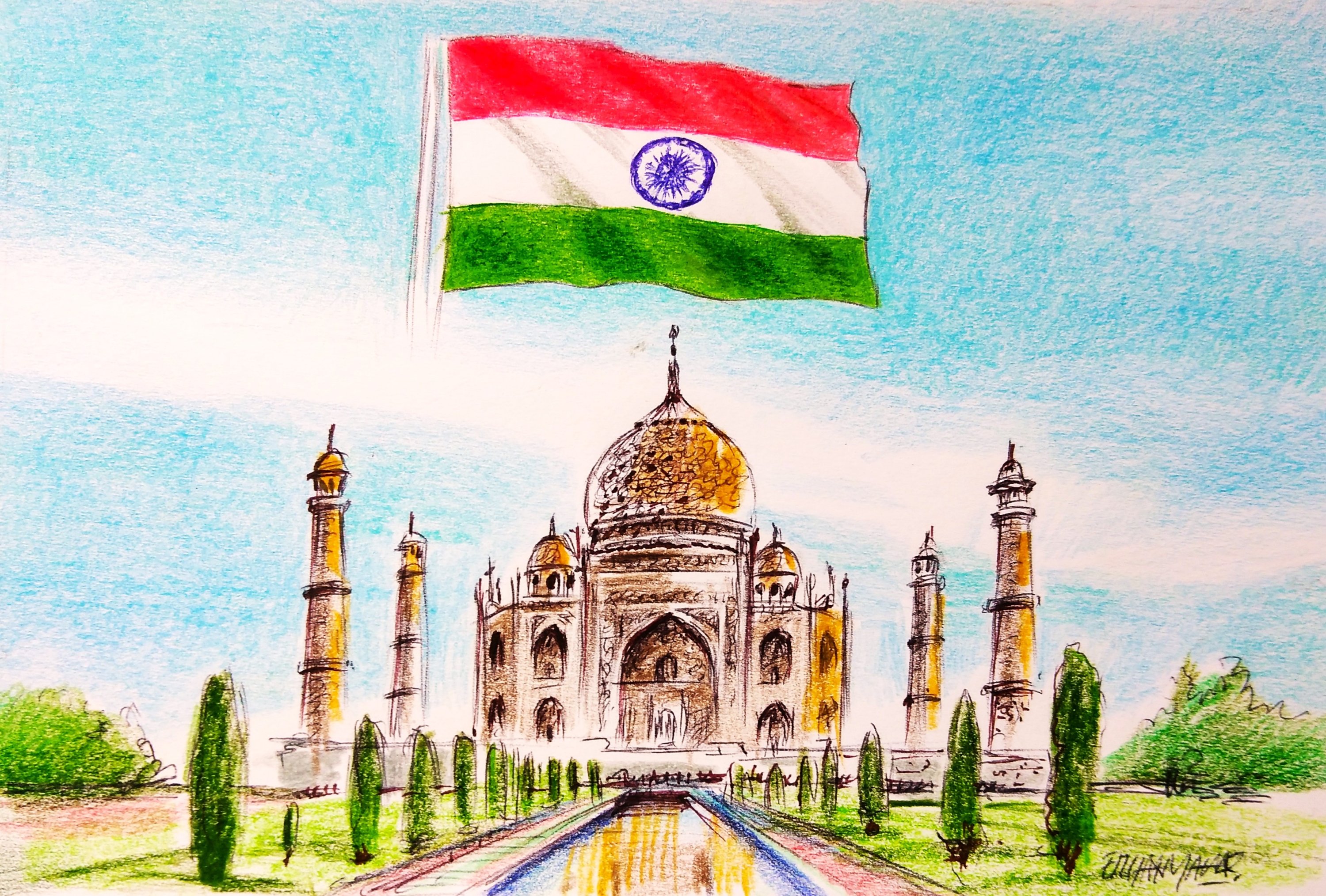
Tharoor pointed to historical sites like the Qutb Complex, Humayun's Tomb, and the Taj Mahal as evidence of "a civilization in conversation with itself," suggesting a more integrated historical development rather than one defined solely by conflict. These remarks are significant because the current debate over India's past is intrinsically linked to questions of who belongs in the present.
as news, not sword.
A prominent Hindutva narrative, often promoted by organizations like the Rashtriya Swayamsevak Sangh (RSS), frames Islam's entry into India mainly through invasion, implying that Muslims remain tied to that historical moment. While acknowledging that Muslim rulers did conquer parts of the subcontinent, the article questions how a description of medieval rulers should define millions of people centuries later.
a civilization in conversation with itself.
The repeated use of the term "invader" transforms a historical description into a present-day social classification. This framing shifts the perception of Muslims from neighbors, farmers, artisans, and citizens to primarily descendants of conquest. This subtle shift redefines communities based on a single historical event, influencing how an entire population is viewed.
This narrative has implications for citizenship, which extends beyond legal rights to include cultural belonging. When Muslims are consistently introduced through the lens of conquest, their cultural belonging becomes conditional, even if their legal citizenship remains intact. Despite speaking Indian languages, inhabiting ancestral regions, and participating in public life, the question of their origin persists. The "invader" narrative thus constructs a social boundary, implicitly defining who is naturally part of the national story and who must constantly account for their presence.
Islam came to Bharat with invaders.
About this summary
Originally published by Daily Sabah in English. Translated, summarized, and contextualized automatically by DistantNews, with a note on how the source frames the story. Not individually reviewed before publishing. How this works.
More Stories



From Our Blog

What Gets Lost (and Found) When News Is Translated

The Critical Role of Diaspora Media in Global News

What Travellers Should Know About Countries with Restricted Press

A Digital Nomad's Guide to Following Local News

How the Same Story Looks Different in Different Countries
