


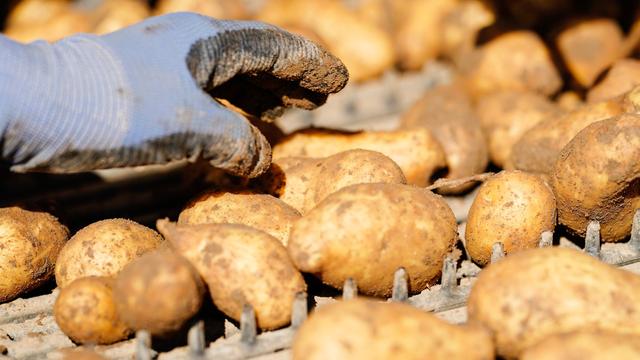
Rheinland-Pfalz Digs Up Summer with Early Potato Harvest
Translated from German, summarized and contextualized by DistantNews.
At a glance
News
From a news agency
New plan
- The early potato harvest season, known as 'Pfälzer Grumbeere', begins in Rheinland-Pfalz on June 8.
- The Pfalz region is Germany's largest contiguous area for early potato cultivation.
- The early harvest is considered a culinary signal for the start of summer, with the potatoes often reaching tables within days of being dug.
Rheinland-Pfalz is set to officially kick off its summer culinary season with the start of the early potato harvest, branded as 'Pfälzer Grumbeere' (Palatinate Potato). The Erzeugergemeinschaft «Pfälzer Grumbeere» will commence its harvest on Monday, June 8, marking a significant event for the region's agriculture and gastronomy.
The Pfalz region holds a special distinction as Germany's largest contiguous area for cultivating early potatoes. Its relatively mild climate, abundant sunshine, and soils that warm quickly give local farmers a crucial head start in bringing the first domestic potatoes of the season to market. These early potatoes are smaller, more tender, and have a shorter shelf life than later varieties, often landing on consumers' plates just days after being harvested.
For many, the 'Pfälzer Grumbeere' harvest is more than just an agricultural date; it's a culinary signal that summer has truly begun. The humble potato, though often unheralded, is a staple across Rheinland-Pfalz, appearing as a side dish for Sunday roasts, a key ingredient in potato salad at community festivals, or as crispy fried potatoes in local taverns.
The harvest marks the busiest time of year for the 265 producers associated with «Pfälzer Grumbeere». The season officially begins at the Zehfuß family's farm in Böhl-Iggelheim. The early harvest is particularly sought after, symbolizing the transition from stored produce to fresh, seasonal offerings and reinforcing the potato's integral role in the region's culinary identity.
DistantNews Editorial
Originally published by Die Zeit in German. Translated, summarized, and contextualized by our editorial team with added local perspective. Read our editorial standards.
More Stories



From Our Blog

What Gets Lost (and Found) When News Is Translated

How the Same Story Looks Different in Different Countries

The Critical Role of Diaspora Media in Global News

What Travellers Should Know About Countries with Restricted Press

A Digital Nomad's Guide to Following Local News
