


Rhineland-Palatinate Forests Replanted with Diverse Species for Resilience
Translated from German, summarized and contextualized by DistantNews.
At a glance
News
Official statement
New plan
- Over one-third of damaged forest areas in Rhineland-Palatinate have been replanted with new tree species since 2021.
- Approximately 65% of reforestation efforts have occurred naturally, with 87 diverse tree species planted to enhance forest resilience.
- Rhineland-Palatinate, with over 43% forest cover, is prioritizing mixed forests, which now constitute 85% of its woodland.
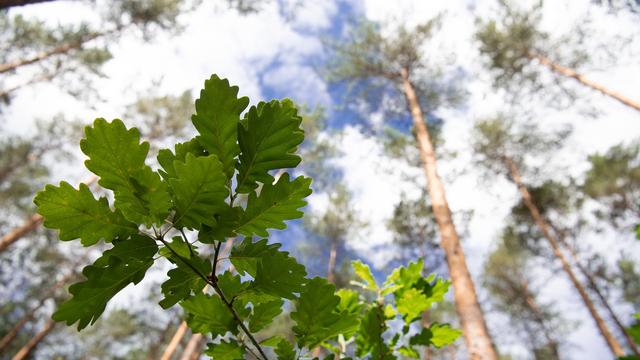
Forests in Rhineland-Palatinate are undergoing a significant transformation as authorities actively replant damaged areas with diverse tree species to bolster resilience against storms, drought, and pests. Since 2021, new trees have been planted in roughly one-third of the forest areas affected by recent environmental challenges. Minister of Forestry and Environment Christine Schneider reported that 87 different tree species have been introduced to enhance the forest's robustness.
Oak, fir, sweet chestnut, beech, and Douglas fir trees represent the largest proportion of these new plantings. Alongside active reforestation, approximately 65% of the damaged areas are recovering naturally, according to the minister's response to a parliamentary inquiry. This dual approach aims to restore the forest's health and adaptability.
Rhineland-Palatinate boasts a substantial forest cover, with over 43% of its land area, equating to more than 850,000 hectares, dedicated to woodland. Beech is the most common tree species, followed by oak and spruce. A key development in the region's forestry strategy is the expansion of mixed forests, which now account for 85% of the total forest area, a significant shift towards greater ecological diversity and resilience.
DistantNews Editorial
Originally published by Die Zeit in German. Translated, summarized, and contextualized by our editorial team with added local perspective. Read our editorial standards.
More Stories


From Our Blog

What Gets Lost (and Found) When News Is Translated

How the Same Story Looks Different in Different Countries

The Critical Role of Diaspora Media in Global News

What Travellers Should Know About Countries with Restricted Press

A Digital Nomad's Guide to Following Local News
