


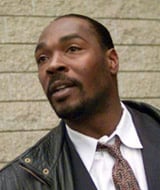
Rodney King Appeals for Peace Years After LA Riots Sparked by His Beating
Translated from Korean, summarized and contextualized by DistantNews.
At a glance
News
Sources not specified
Context piece
- Rodney King, whose beating by Los Angeles police sparked the 1992 riots, appealed for calm and reconciliation.
- King was pulled over for speeding in 1991 and subsequently beaten by four white police officers, suffering severe injuries.
- The incident and the officers' acquittal led to widespread protests and unrest in Los Angeles.
Rodney King, the Black man whose brutal beating by Los Angeles police officers in 1991 became a flashpoint for racial tension and ultimately sparked the devastating 1992 riots, has publicly appealed for peace and reconciliation. His plea comes years after the incident that profoundly impacted his life and the city of Los Angeles.
The ordeal began on March 3, 1991, when King was stopped for speeding by police near Los Angeles. What followed was a violent assault by four white officers who dragged King from his car and proceeded to beat him with batons and their fists and feet. King, who had been on parole for a robbery conviction two years prior, sustained severe injuries, including a broken leg and deep lacerations to his face that required 20 stitches.
The subsequent acquittal of the four officers involved in the beating, despite graphic video evidence of the assault, ignited widespread outrage. This verdict triggered days of protests, looting, and violence across Los Angeles, leaving a deep scar on the city's history. The riots resulted in significant loss of life and widespread destruction, highlighting the deep-seated anger and frustration within the community.
King's subsequent call for calm and his desire for people to "get along" reflects a personal journey and a broader hope for healing. His experience, from the violent encounter with law enforcement to the ensuing societal upheaval, remains a critical chapter in the ongoing conversation about race, justice, and policing in America.
Can't we all get along?
DistantNews Editorial
Originally published by Chosun Ilbo in Korean. Translated, summarized, and contextualized by our editorial team with added local perspective. Read our editorial standards.
More Stories



From Our Blog

What Gets Lost (and Found) When News Is Translated

The Critical Role of Diaspora Media in Global News

What Travellers Should Know About Countries with Restricted Press

A Digital Nomad's Guide to Following Local News

How the Same Story Looks Different in Different Countries
