

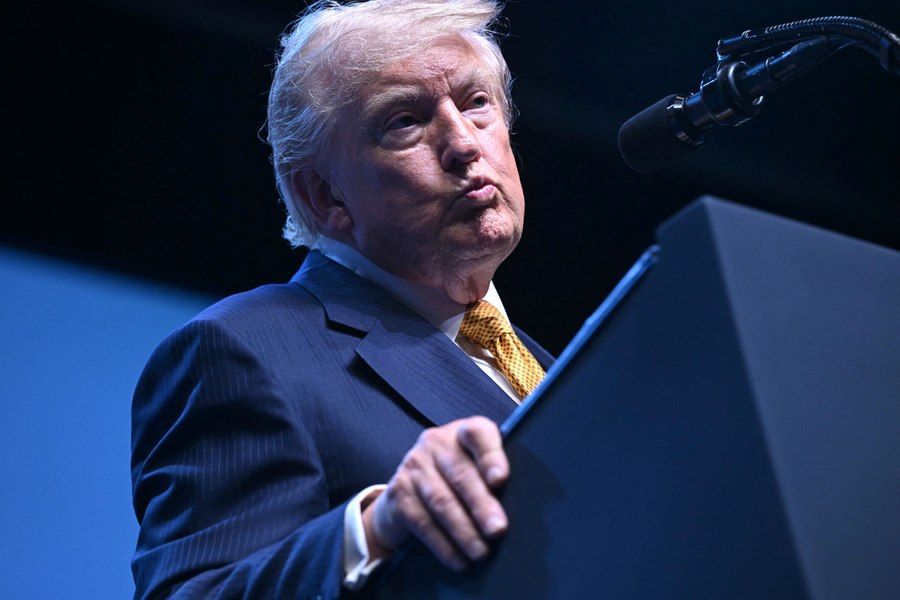

Romania chose informal NATO talks over Article 4 after Russian drone incident
Translated from Romanian and summarized by DistantNews. Read the original for the full story.
At a glance
Analysis
Named sources
Context piece
- Romania opted for informal dialogue with NATO allies instead of invoking Article 4 after a Russian drone incident.
- Analyst George Râpă criticized Foreign Minister Oana Țoiu for preempting the national security council's decision.
- Râpă also highlighted Romania's insufficient preparedness and delays in acquiring anti-drone systems, despite allies offering support.
Romania chose to pursue informal discussions with regional NATO allies rather than activating Article 4 of the NATO Treaty following an incident involving a Russian drone. This decision, made by President Nicușor Dan in conjunction with the Supreme Council of National Defence (CSAT), has divided political and public opinion.
Analyst George Râpă explained that Romania's decision not to invoke Article 4 was likely influenced by various factors considered by the CSAT. He criticized Foreign Minister Oana Țoiu for making a premature public statement before the CSAT had finalized its assessment, calling it a disloyal gesture that pressured the president and council members. Râpă noted that while invoking Article 4 might have been legally arguable, the ultimate decision is political and context-dependent.
Ms. Țoiu preempted the CSAT discussion; it was a disloyal gesture because it pressured the president and other council members.
He suggested that the CSAT likely considered Romania's inadequate preparation for such airspace incursions, despite having ample time to address the issue. Râpă pointed out that even without invoking Article 4, allies like Italy quickly announced the deployment of anti-drone specialists and equipment to Romania, indicating that actions were being taken independently.
Even without invoking this article, allies like Italy announced they were urgently sending anti-drone specialists and equipment to Romania just hours after the incident. So things are moving independently.
Râpă also drew attention to Article 3 of the NATO Treaty, which obligates signatory nations to individually and collectively maintain and develop their capacity to resist armed attack. He argued that Romania has not fully utilized its existing defense systems, such as the Gepard 1A2, and faces delays in acquiring new systems like SHORAD. This reluctance to use military force for national defense, potentially to avoid provoking Russia, coupled with procurement delays, remains a concern.
The public debate has seen two camps: one advocating for the activation of Article 4 and another arguing against it. Râpă believes both sides have valid points but emphasizes that addressing internal defense capabilities, as outlined in Article 3, is crucial regardless of invoking Article 4.
The beauty of law is that both sides can have their truth. But before we go to Article 4, we have Article 3 of the NATO Treaty, which clearly states that to achieve the treaty's objectives, the signatory parties 'shall maintain and develop their individual and collective capacity to resist an armed attack.'
About this summary
Originally published by Adevărul in Romanian. Translated, summarized, and contextualized automatically by DistantNews, with a note on how the source frames the story. Not individually reviewed before publishing. How this works.
More Stories
From Our Blog

News in Translation: What Gets Lost, and How We Keep the Framing

Diaspora Media: How Communities Abroad Follow Home

Traveling Where the Press Is Not Free: How to Read the News There

The Digital Nomad's Guide to Local News

The Same Story, Different Countries: How Coverage Changes at the Border
