


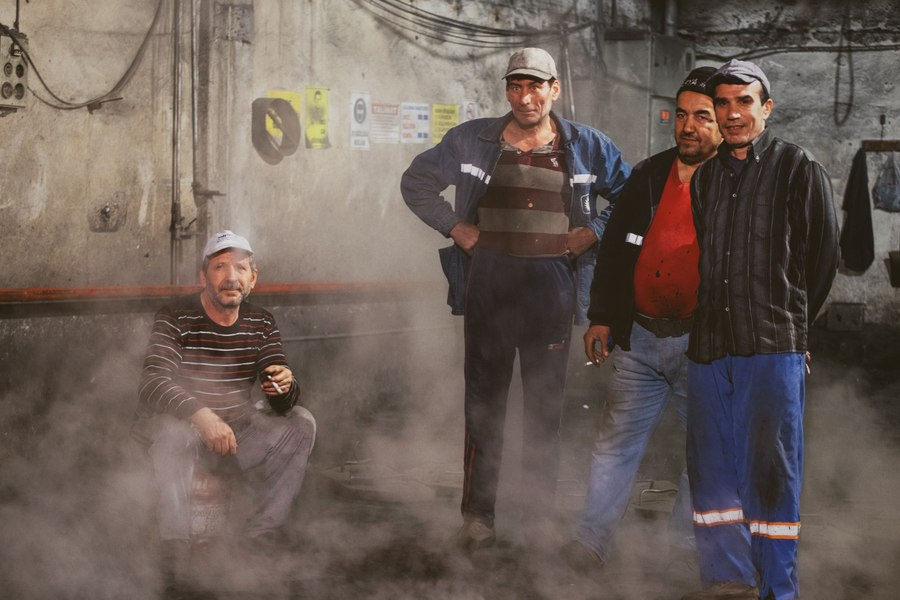
Romania has EU's second-highest employee poverty rate
Translated from Romanian, summarized and contextualized by DistantNews.
At a glance
Interview
Named sources
Context piece
- Romania has the second-highest poverty rate among employees in the EU, despite working long hours.
- A political scientist attributes this to decades of neoliberal austerity policies and a crisis in productive sectors.
- He advocates for higher taxes on capital and wealth, stronger employee rights, and a new industrial policy.
Romania faces a stark reality: it holds the second-highest poverty rate among employees within the European Union, a situation exacerbated by long working hours. This economic predicament, particularly affecting the middle class, is not solely attributed to global complexities but also to flawed economic policies, according to political scientist Vladimir Borțun.
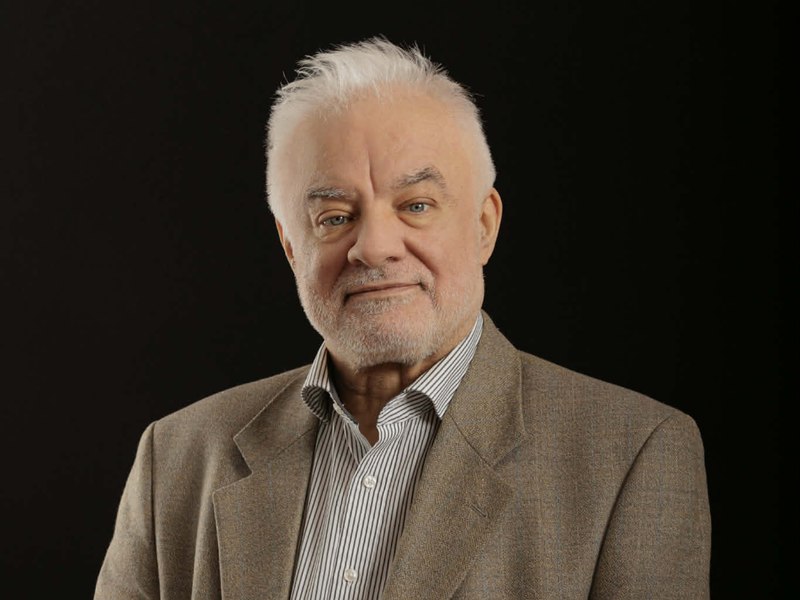
Borțun, a researcher and lecturer at Oxford University, expresses skepticism about the term "middle class," viewing it as a rhetorical tool that divides the working class. He argues that many individuals identifying as middle class, such as white-collar workers in corporations, are essentially part of the "white collar working class," experiencing exploitation and financial strain despite a perceived higher social status.
Ca să răspund totuși la întrebare: mi se pare că, pe de o parte, austeritatea, care nu e doar specifică Guvernului Bolojan în Europa, ci e o politică structurală a neoliberalismului de decenii încoace este văzută ca prima soluție de fiecare dată când avem un deficit sau o criză. Or, austeritatea afectează de regulă lucrătorii din educație, administrație publică, sănătate – care compun o mare parte din clasa de mijloc în sectorul public.
He identifies decades of neoliberal austerity as a primary driver of this decline. These policies, often implemented in response to deficits or crises, disproportionately impact public sector workers in education, public administration, and healthcare, who form a significant portion of the middle class. Simultaneously, the private sector grapples with a deepening crisis in the profitability of its productive industries.
Borțun calls for a fundamental shift in economic strategy. He advocates for increased taxation on capital and wealth, a strengthening of employee rights, and the implementation of a new industrial policy. This approach aims to address the systemic issues that have led to the erosion of living standards and to rebalance the economic landscape.
Apoi, în sectorul privat, problema de fond e că avem o criză mai profundă a profitabilității sectoarelor productive. Clasa muncitoare este reprezentată și din cei care lucrează la birou. Capitalul productiv, cel care produce ceva, nu capitalul rentier care trăiește din speculații sau chirii, are o criză la nivel european și global care se accentuează.
DistantNews Editorial
Originally published by Adevărul in Romanian. Translated, summarized, and contextualized by our editorial team with added local perspective. Read our editorial standards.
More Stories


From Our Blog

What Gets Lost (and Found) When News Is Translated

The Critical Role of Diaspora Media in Global News

What Travellers Should Know About Countries with Restricted Press

A Digital Nomad's Guide to Following Local News

How the Same Story Looks Different in Different Countries
