

Romania is the cheapest country in the EU, but Romanians can barely afford their daily basket. How is this anomaly explained?
Translated from Romanian, summarized and contextualized by DistantNews.
At a glance
News
Named sources
Context piece
- Romania has the lowest price level index in the EU, making goods and services cheaper for foreign visitors.
- However, low prices do not translate to a higher standard of living for Romanians due to significantly lower incomes.
- The discrepancy means Romanians feel a stronger pressure from essential expenses relative to their earnings.
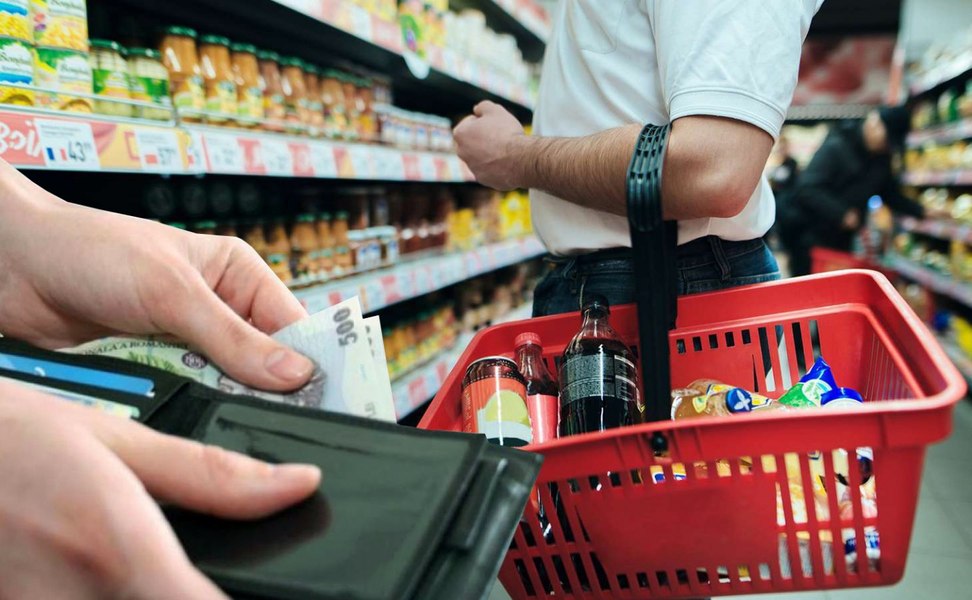
Romania consistently ranks among the cheapest countries in the European Union based on the price level of goods and services. Eurostat data shows Romania's price level index at 58.9, meaning a basket of goods costing 100 euros in the EU average is available for approximately 58.9 euros in Romania. This positions Romania as the most affordable economy within the bloc.
However, this affordability does not automatically equate to a higher standard of living for its citizens. Economic analyst Adrian Negrescu explains that while Romania appears inexpensive, the reality for Romanians is different due to much lower incomes. The key difference lies in purchasing power, not just the price tags themselves.
This disparity significantly impacts household budgets. A large portion of Romanian incomes is allocated to essential expenses like food, utilities, and rent, leaving limited room for savings or discretionary spending. Despite lower prices, the pressure of these basic costs on household budgets is considerably higher when compared to their earnings.
The essential question is whether Romania is cheap or just seems cheap. It depends on the angle you look from. For a foreign tourist, Romania is an accessible destination. For a Romanian, the situation is different because incomes are much lower. The difference comes from purchasing power, not from the prices themselves.
"Prices are lower, but salaries are also below the European average. This makes the purchasing power of Romanians among the lowest in the Union," Negrescu stated. "In other words, Romanians pay less for products, but they feel the pressure of expenses more strongly in relation to their income."
The combination of low prices and substantially lower incomes creates a constant strain on household finances, where essential expenditures consume the majority of earnings, highlighting an economic anomaly where a country's low cost of living does not benefit its residents.
Prices are lower, but salaries are also below the European average. This makes the purchasing power of Romanians among the lowest in the Union. In other words, Romanians pay less for products, but they feel the pressure of expenses more strongly in relation to their income.
DistantNews Editorial
Originally published by Adevărul in Romanian. Translated, summarized, and contextualized by our editorial team with added local perspective. Read our editorial standards.
More Stories


From Our Blog

What Gets Lost (and Found) When News Is Translated

The Critical Role of Diaspora Media in Global News

What Travellers Should Know About Countries with Restricted Press

A Digital Nomad's Guide to Following Local News

How the Same Story Looks Different in Different Countries
