

Romania Navigates Political Crisis Amidst Shifting Alliances and Party Divisions
Translated from Romanian, summarized and contextualized by DistantNews.
At a glance
Analysis
Sources not specified
Ongoing story
- Romania faces political uncertainty after the PSD-AUR no-confidence motion passed on May 5, leading to the fall of the Bolojan government.
- President Klaus Iohannis initially proposed Eugen Tomac as a candidate for prime minister, who then engaged in media appearances, but was quickly replaced by Adrian Veștea.
- The nomination of Adrian Veștea, supported by PSD, targets the PNL party, whose internal divisions are evident, potentially leading to a party split or factional dominance.
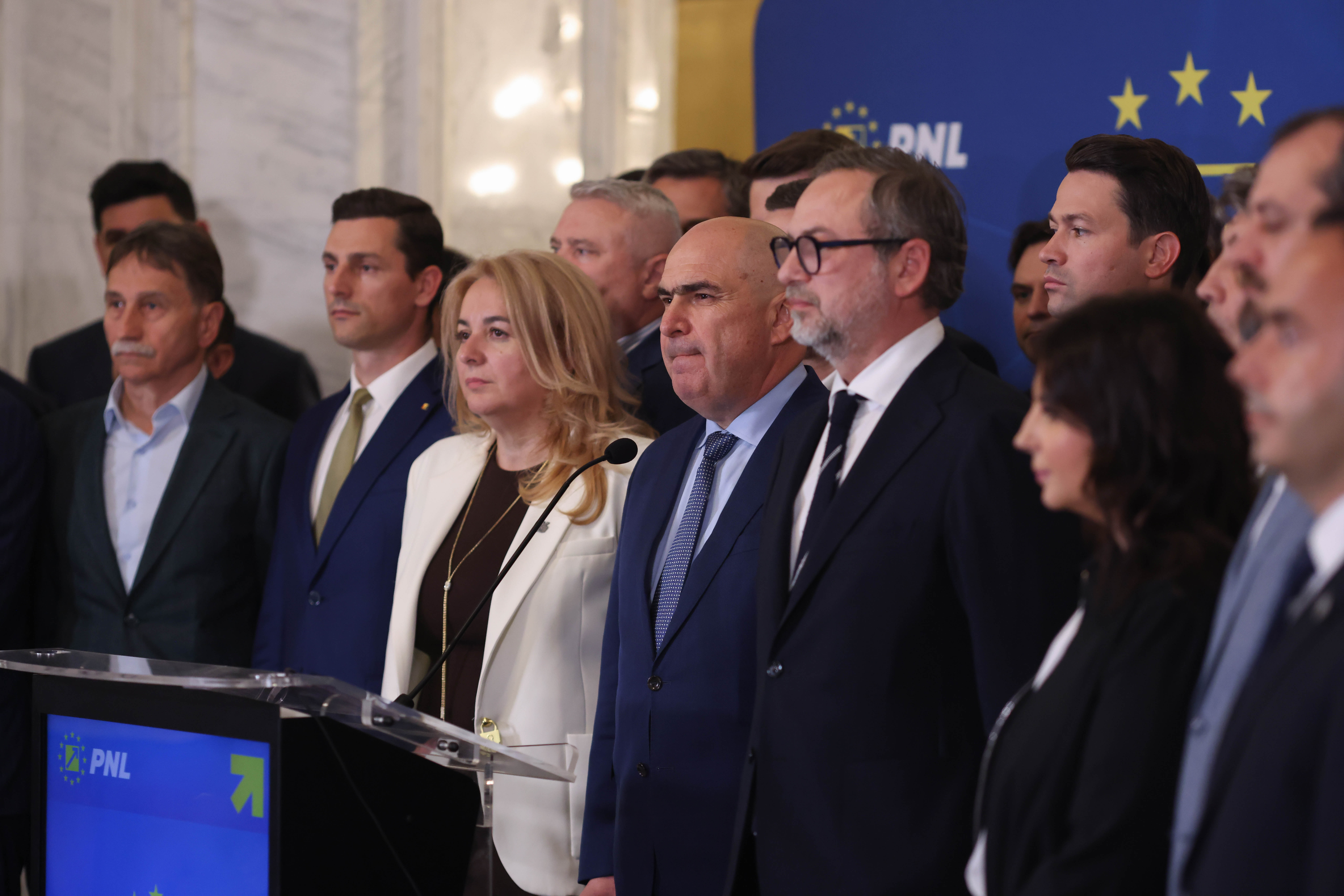
Romania finds itself in a prolonged period of political flux more than a month after the PSD-AUR no-confidence motion led to the downfall of the Bolojan government. The subsequent political maneuvering has been marked by delays and unexpected shifts in presidential nominations.
President Klaus Iohannis initially took his time organizing consultations with political parties. After a period of reflection, he put forward Eugen Tomac as his proposed candidate for prime minister, praising him as the ideal figure to navigate the country out of its crisis. Tomac subsequently embarked on a media tour, a common but unwritten procedure for prime ministerial candidates in Romania, while other constitutional procedures, like party consultations, seemed to be treated as optional during the current presidential term.
The political drama took another turn as President Iohannis began discussing Adrian Veștea as a replacement for Tomac. This rapid pivot, occurring within a week after a month of stagnation, saw a shift from a technical government proposal to a political one. The nomination of Adrian Veștea is seen as a direct move towards the PNL party, whose long-term political survival is under scrutiny.
Within the PNL, a significant division has emerged regarding entering a government coalition with PSD. A recent party leadership vote showed 39 in favor, 10 against, and 5 abstentions on the decision not to join a government with PSD. This indicates a split, with abstentions aligning with the faction opposing Ilie Bolojan's stance. The PNL now faces three potential outcomes: a pro-PSD faction gaining control, a party split, or Bolojan consolidating power, marginalizing dissenters. The vote suggests Bolojan may retain party leadership but lose a segment of its members.
Adrian Veștea has stated he will adopt the Bolojan government's platform verbatim. The PNL's internal vote also signals that USR and UDMR will not be part of the new government structure. Consequently, the political landscape remains similar to the situation before the no-confidence vote. Veștea claims to have secured 240 votes, but the source of this support, particularly from the nationalist-sovereignist bloc in Parliament, remains unclear.
DistantNews Editorial
Originally published by Adevărul in Romanian. Translated, summarized, and contextualized by our editorial team with added local perspective. Read our editorial standards.
More Stories
From Our Blog

What Gets Lost (and Found) When News Is Translated

The Critical Role of Diaspora Media in Global News

What Travellers Should Know About Countries with Restricted Press

A Digital Nomad's Guide to Following Local News

How the Same Story Looks Different in Different Countries
