


Romania Risks 1% GDP Loss as EU Funds Hang in Balance
Translated from Romanian, summarized and contextualized by DistantNews.
At a glance
News
Named sources
Ongoing story
- Romania risks losing 1% of its GDP, or 4.5 billion euros, by next month if eight key laws are not passed by Parliament.
- Failure to secure these funds from the EU's Recovery and Resilience Facility (PNRR) could lead to a junk credit rating and currency depreciation.
- Analysts warn of potential economic chaos and "Bulgarianization" if political disputes prevent the timely adoption of these laws.
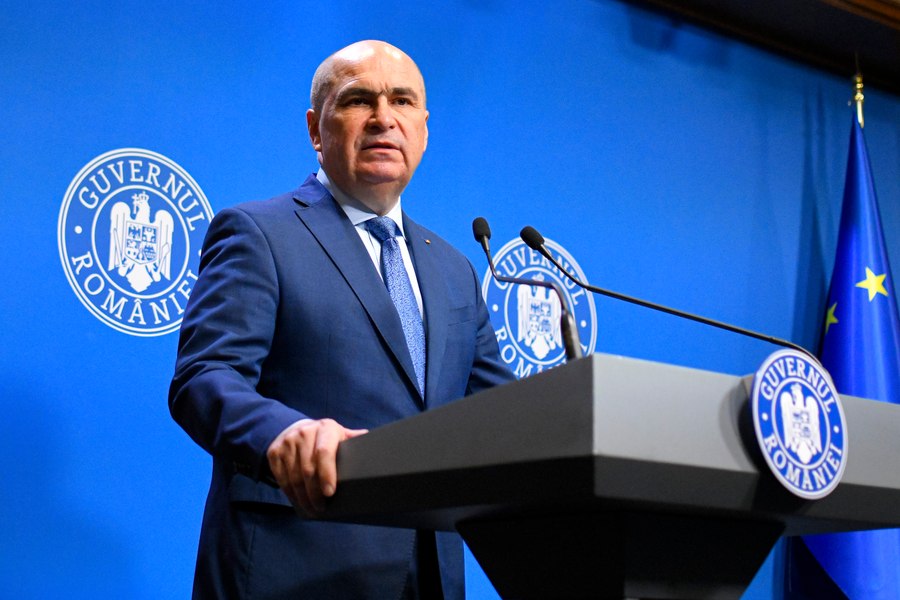
Romania stands on the brink of a significant financial and political crisis, with Prime Minister Ilie Bolojan warning that the country could lose 4.5 billion euros, equivalent to 1% of its GDP, by next month. This substantial sum is at risk due to eight crucial pieces of legislation currently stalled in Parliament, which are tied to the EU's Recovery and Resilience Facility (PNRR).
We can lose the equivalent of 1% of GDP by next month, due to missing the PNRR.
Economic analyst Adrian Negrescu explained the dire consequences of missing out on these funds. He stated that the budget deficit would exceed the 6.2% target, as the PNRR money is already factored into budget planning. Failure to receive the funds would necessitate either finding alternative sources or accepting a larger deficit, a move Negrescu described as "economic harakiri." This could trigger a downgrade to a "junk" credit rating, leading to a depreciated leu and stalled major construction projects.
Political analyst Alexandru Coita added to the concerns, cautioning that electoral disputes between the ruling PNL and PSD parties could plunge the country into a "Bulgarianization"-style chaos. He suggested that a new national agreement, similar to the one forged at Snagov, is the only viable solution.
The loss of this sum would have serious consequences for Romania's economy. In the first place, the budget deficit would exceed the target of 6.2%, because these funds are already included in the budget scheme, and if they don't come, we will have to either supplement them from other sources or accept a larger deficit, which would be a suicide mission, a kind of economic harakiri, as rating agencies would downgrade Romania to junk category, with all the known negative effects.
Bolojan highlighted that the adoption of these laws is essential for securing the non-reimbursable funds. He noted that the public sector wage law is still under consultation with the European Commission. Negrescu expressed pessimism about the Parliament's ability to pass the laws promptly, emphasizing the need for national responsibility. He also pointed out that renegotiating the PNRR conditions to link funding to infrastructure investments rather than political reforms might be a more feasible path, though unlikely to succeed given current political dynamics.
It is absolutely essential that, in the next 30 days, we approve at least part of these laws or renegotiate the PNRR conditions, so that the money is linked to infrastructure investments, not political reforms that we cannot complete due to electoral interests or bureaucracy.
DistantNews Editorial
Originally published by Adevărul in Romanian. Translated, summarized, and contextualized by our editorial team with added local perspective. Read our editorial standards.
More Stories



From Our Blog

What Gets Lost (and Found) When News Is Translated

The Critical Role of Diaspora Media in Global News

What Travellers Should Know About Countries with Restricted Press

A Digital Nomad's Guide to Following Local News

How the Same Story Looks Different in Different Countries
