

Romania's Black Sea Gas Ambitions Face Hurdles
Translated from Romanian, summarized and contextualized by DistantNews.
At a glance
News
Named sources
Context piece
- Romania is developing plans for its Black Sea gas resources, particularly the Neptun Deep project, aiming to reduce European dependence on Russian gas.
- The Vertical Gas Corridor project, utilizing existing infrastructure, is intended to transport gas from Neptun Deep and liquefied natural gas terminals to several European countries.
- Historical investment challenges, including legislative changes and the withdrawal of ExxonMobil, have impacted the project's development, raising questions about current security and future strategy.
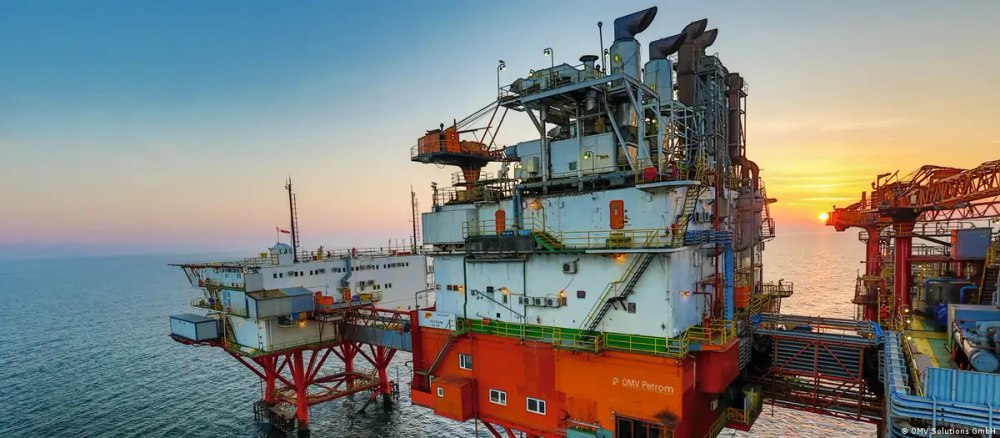
Romania is charting a course for its significant natural gas reserves in the Black Sea, with a focus on the Neptun Deep project, as part of a broader strategy to decrease Europe's reliance on Russian energy. President Nicușor Dan has highlighted joint Romanian-American initiatives, including the development of the Vertical Gas Corridor and Neptun Deep, as crucial for this energy security goal.
if you read the Exxon transcripts, you realize that those there complain about the unpredictable fiscal regime in Romania.
The Vertical Gas Corridor aims to leverage the existing Trans-Balkan pipeline, which historically supplied Russian gas to Romania, Bulgaria, Greece, Moldova, and Ukraine. This infrastructure could potentially operate in reverse, channeling gas from Neptun Deep and liquefied natural gas (LNG) terminals in Greece. Another pipeline, constructed by Transgaz, is ready to connect Neptun Deep to Bulgaria, Romania, Hungary, and Austria, and will link into the Vertical Gas Corridor.
However, the path to harnessing these resources has been fraught with challenges. ExxonMobil initially explored Neptun Deep in 2008, but investment was stalled for three years starting in 2017 due to legislative changes concerning offshore gas and oil exploitation, driven by a majority PSD government. The withdrawal of ExxonMobil in 2019 was attributed to shifting American investment strategies and nationalist discourse from then-Speaker of the Chamber of Deputies, Liviu Dragnea. State-owned Romgaz acquired ExxonMobil's stake in Neptun Deep in 2022 for over a billion dollars.
the extraction would have been protected by American special services.
Historian Dennis Deletant points out that ExxonMobil's internal documents reveal complaints about Romania's unpredictable fiscal regime. He suggests that Romania erred in abandoning collaboration with ExxonMobil, as American investment would have provided protection from U.S. special services and signaled to the Kremlin against encroaching on the continental shelf. Deletant believes that Putin's annexation of Crimea may have been partly motivated by a desire for these energy resources, especially those allocated to Ukraine by the International Court of Justice in 2009. Questions now linger about who is responsible for defending the Neptun Deep platform against potential military attacks or incidents amid the ongoing conflict in the Black Sea, with no single security institution clearly designated for this critical investment.
when he annexed Crimea, Putin was also targeting these energy resources, especially those attributed by the Hague Court in 2009 to Ukraine.
DistantNews Editorial
Originally published by Adevărul in Romanian. Translated, summarized, and contextualized by our editorial team with added local perspective. Read our editorial standards.
More Stories
From Our Blog

What Gets Lost (and Found) When News Is Translated

The Critical Role of Diaspora Media in Global News

What Travellers Should Know About Countries with Restricted Press

A Digital Nomad's Guide to Following Local News

How the Same Story Looks Different in Different Countries
