


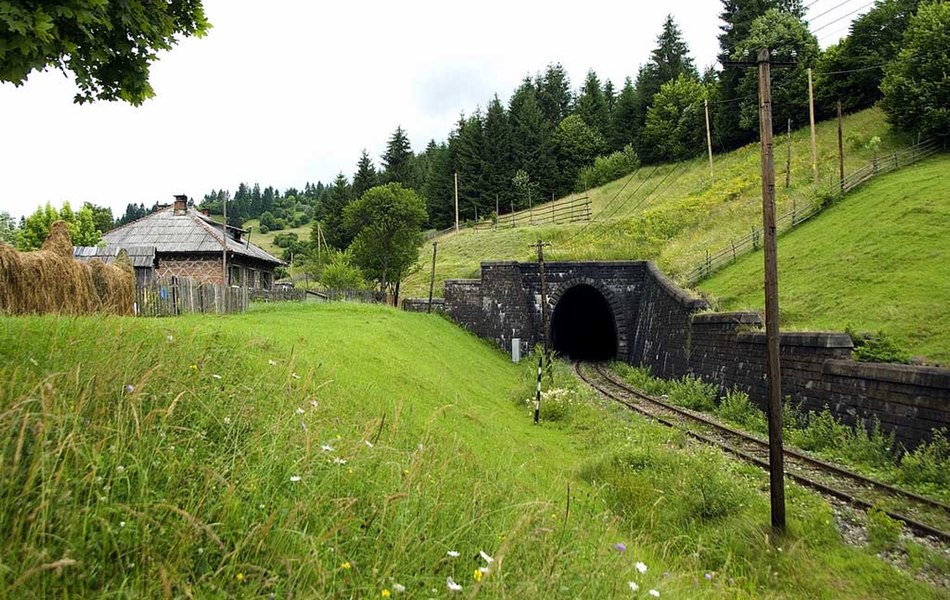
Romania's Maramureș Tunnel: A Mid-Century Engineering Feat
Translated from Romanian, summarized and contextualized by DistantNews.
At a glance
In-depth
Sources not specified
Context piece
- Romania's railway history features over 200 tunnels totaling more than 80 kilometers, with early ones dating back to the mid-19th century.
- The Maramureș Tunnel, nearly 2.4 kilometers long, was notably excavated in just 18 months during the mid-20th century.
- Future railway projects on the Brașov–Sighișoara line will include the Ormeniș and Homorod tunnels, which will surpass existing lengths.
Romania's railway network boasts a rich history of tunnel construction, with over 200 tunnels spanning more than 80 kilometers built since the mid-19th century. The earliest tunnels were primarily located in the Banat Mountains region, but the first to exceed two kilometers emerged in the early 20th century. These monumental works often involved thousands of laborers using rudimentary tools, mobilized by the authorities of the time.
Among the most impressive feats is the Maramureș Tunnel, measuring nearly 2.4 kilometers. This tunnel, part of the Salva–Vișeu railway line, was remarkably excavated in just 18 months during 1948-1949. The project was a significant undertaking, employing over 21,000 people, including youth organization members, military personnel, locals, and over a thousand miners for the excavation.
Currently, the longest operational railway tunnels in Romania are Teliu (4.376 km), Tălășmani–Berești (3.330 km), and Maramureș (approx. 2.380 km). These tunnels, all on non-electrified lines, collectively measure around 10 kilometers. However, this record is set to be broken by the Ormeniș and Homorod tunnels, currently under construction on the Brașov–Sighișoara railway line.
The Salva–Vișeu railway itself, built in the mid-20th century to connect Maramureș with northern Transylvania, remains a spectacular project. Construction began in 1937, driven by strategic military transport needs and the desire for a direct rail link after new borders were established post-World War I. Although the project was temporarily abandoned in August 1940, the Maramureș Tunnel stands as a testament to the engineering and labor of that era.
DistantNews Editorial
Originally published by Adevărul in Romanian. Translated, summarized, and contextualized by our editorial team with added local perspective. Read our editorial standards.
More Stories

From Our Blog

What Gets Lost (and Found) When News Is Translated

The Critical Role of Diaspora Media in Global News

What Travellers Should Know About Countries with Restricted Press

A Digital Nomad's Guide to Following Local News

How the Same Story Looks Different in Different Countries
