

Romania Shifts to Wartime Economy Model
Translated from Romanian, summarized and contextualized by DistantNews.
At a glance
News
Sources not specified
New plan
- Romania's economy is shifting towards a war footing, reminiscent of historical wartime economic models.
- This transition involves adapting economic structures and functions to prepare for or engage in conflict.
- The move signals a significant change in national economic strategy in response to geopolitical tensions.
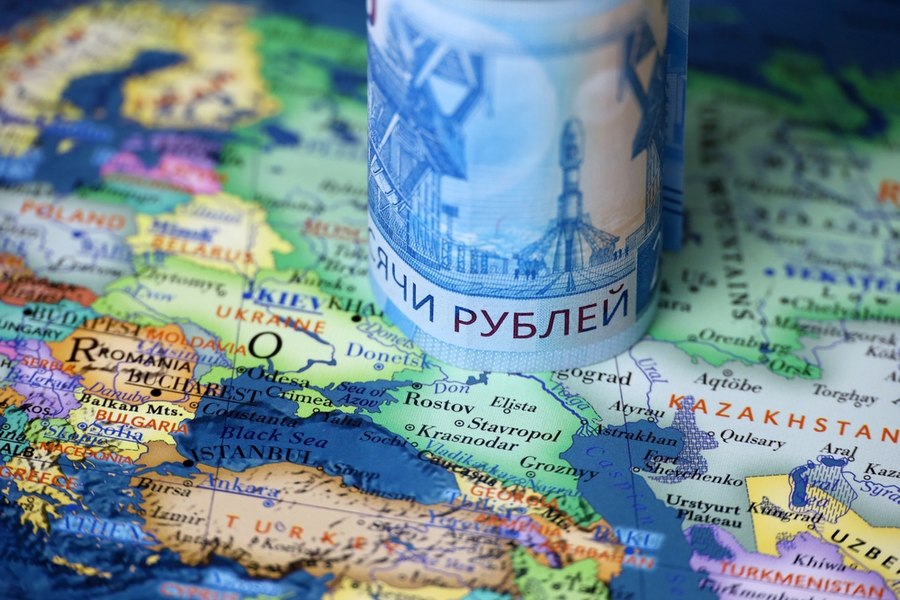
Romania's economy is entering a phase of wartime functioning, a concept defined by adapting national economic structures and operations for conflict or its preparation. This shift, drawing parallels to historical wartime economies, signifies a fundamental change in the country's economic strategy.
The definition of a wartime economy, as per Wikipedia, involves the mobilization of all available resources and the redirection of production towards military needs. This can include stringent government controls, rationing, and a focus on industries crucial for defense.
This transition suggests Romania is responding to a perceived need to bolster its defense capabilities and economic resilience in the face of potential or ongoing geopolitical instability. The implications of such a shift are far-reaching, potentially impacting domestic production, international trade, and the daily lives of citizens.
DistantNews Editorial
Originally published by Adevărul in Romanian. Translated, summarized, and contextualized by our editorial team with added local perspective. Read our editorial standards.
More Stories

From Our Blog

What Gets Lost (and Found) When News Is Translated

The Critical Role of Diaspora Media in Global News

What Travellers Should Know About Countries with Restricted Press

A Digital Nomad's Guide to Following Local News

How the Same Story Looks Different in Different Countries
