


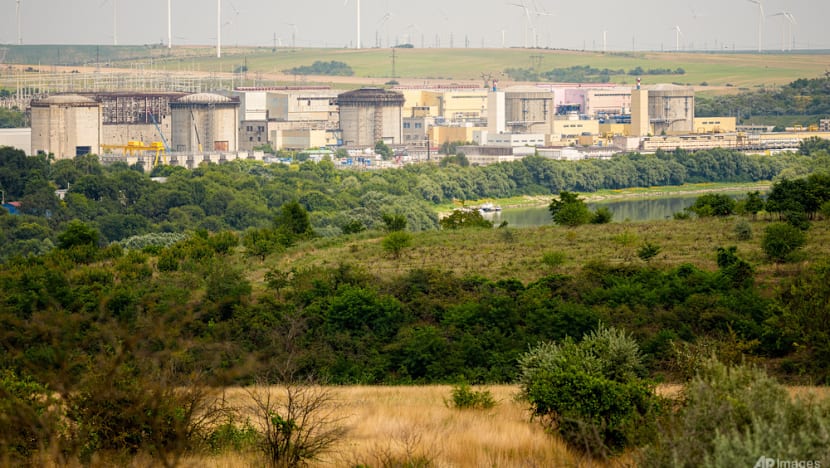
Romania shuts nuclear plant as Danube river levels hit record lows
Translated from English, summarized and contextualized by DistantNews.
At a glance
News
Sources not specified
New plan
- Romania shut down its sole nuclear power plant on August 13, 2026, due to record low water levels in the Danube River caused by drought.
- The Cernavoda plant, which supplies a fifth of Romania's electricity, had already shut down one reactor last month and now must close the second.
- The plant is not expected to restart for at least 10 days, with Romania planning to use alternative power sources and imports, while urging responsible consumption.
Romania was forced to shut down its only nuclear power plant on Thursday, August 13, 2026, a rare move prompted by a severe drought that has caused the Danube River to reach historic low levels. The waters of the Danube are crucial for cooling the reactors at the Cernavoda Nuclear Power Plant.
The Cernavoda plant, which normally generates approximately 20 percent of Romania's electricity, had previously shut down one of its two 700-megawatt reactors in July due to similar drought conditions. On Thursday, the Nuclearelectrica company announced the necessity to shut down the second reactor "due to the significant and ongoing drop in the water level of the River Danube."
Plant director Romeo Urjan stated that a restart is not anticipated within the next 10 days. To mitigate the cooling crisis, the nuclear company had invested over two million euros (US$2.3 million) in efforts to divert the Danube's flow, including blasting a rock and sinking barges filled with rocks into the river.
The Romanian Ministry of Energy assured that alternative power sources, such as wind energy and electricity imports, would ensure adequate supply. However, the ministry also reiterated its appeal for "responsible consumption" and warned that industrial users might face restrictions during peak evening hours as a last resort. Carmakers Dacia and Ford had already announced production pauses until August 19 to help alleviate the power deficit.
This drought-induced shutdown is part of a broader European crisis. Copernicus, the European climate change observatory, reported that nearly two-thirds of the Danube has experienced record-low flow rates for July. France, heavily reliant on nuclear power, has also seen a significant shortfall in its atomic production capacity due to drought, extreme heat, and other factors affecting its nuclear fleet.
We do not foresee a restart within the next 10 days.
DistantNews Editorial
Originally published by CNA in English. Translated, summarized, and contextualized by our editorial team with added local perspective. Read our editorial standards.
More Stories



From Our Blog

What Gets Lost (and Found) When News Is Translated

The Critical Role of Diaspora Media in Global News

What Travellers Should Know About Countries with Restricted Press

A Digital Nomad's Guide to Following Local News

How the Same Story Looks Different in Different Countries
