


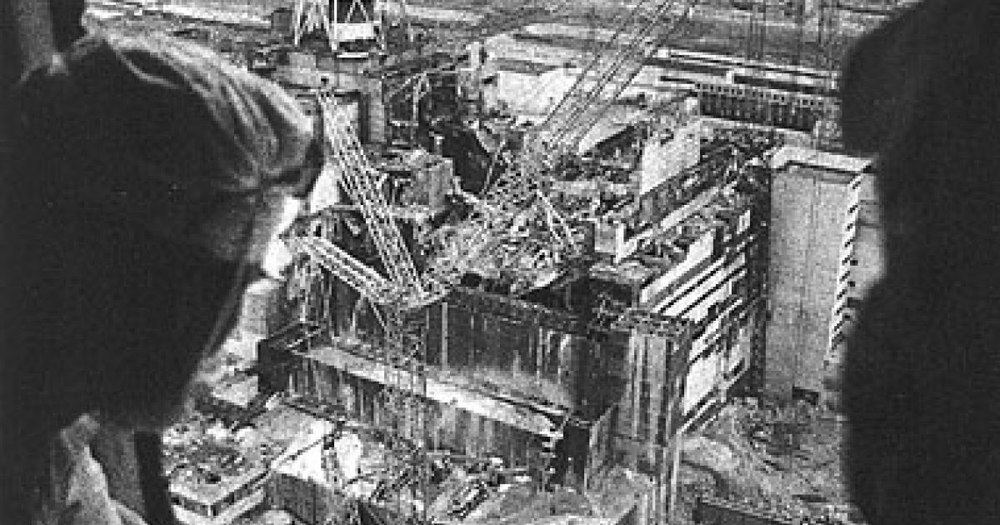
Romania Under the Radioactive Cloud: How Our Country Experienced the Chernobyl Catastrophe
Translated from Romanian, summarized and contextualized by DistantNews.
TLDR
- Romania experienced significant radioactive contamination following the Chernobyl disaster on April 26, 1986, despite its distance from the plant.
- A radioactive cloud reached Romania on April 30, with alarming radiation levels recorded in cities like Iași, affecting thousands, especially children, for about nine days.
- Romanian communist authorities were kept in the dark by the Soviet Union about the disaster's severity and initially downplayed the situation, focusing on May Day celebrations.
The Chernobyl disaster, a catastrophe of unimaginable scale, cast a long shadow over Romania, even from hundreds of kilometers away. While the initial wind patterns seemed to spare our nation, the sudden shift on April 30 brought the invisible threat of radiation directly to our doorstep. For nearly nine days, a radioactive cloud lingered, exposing countless Romanians, particularly the most vulnerable children, to unseen dangers.
Deși centrala se afla la aproximativ 600 de kilometri de granița României, efectele catastrofei nu au ocolit țara noastră: nici radiațiile, nici tăcerea oficială, nici panica populației.
What is particularly galling is the response of the communist authorities. Documents from the National Archives reveal a disturbing pattern of obfuscation and delayed reaction. Despite requests for information from the Soviet Union, which was itself attempting to control the narrative, Romanian officials were left in the dark. The stark contrast between the official silence and the alarming readings from radiation monitoring stations, especially in Iași, paints a grim picture of a regime prioritizing propaganda over public safety. The front page of Scînteia, the party's newspaper, was filled with May Day festivities, a stark juxtaposition to the silent crisis unfolding.
România părea, pentru scurt timp, ferită de ce e mai rău. Această iluzie s-a spulberat pe 30 aprilie, când direcția vântului s-a schimbat brusc: norul radioactiv s-a întors spre sud, atingând teritoriul românesc.
This event serves as a chilling reminder of the dangers of nuclear accidents and the critical importance of transparency. From our perspective in Romania, the Chernobyl disaster is not just a historical event; it is a deeply personal one, marked by the fear of the unknown and the betrayal of trust by those in power. The long-term health consequences and the environmental impact continue to be felt, a somber legacy of a disaster that touched us all.
Cel mai ridicat nivel de contaminare a fost înregistrat la Iași, unde indicatorii au atins pragul de alarmare.
DistantNews Editorial
Originally published by Adevărul in Romanian. Translated, summarized, and contextualized by our editorial team with added local perspective. Read our editorial standards.
More Stories



From Our Blog

What Gets Lost (and Found) When News Is Translated

The Critical Role of Diaspora Media in Global News

What Travellers Should Know About Countries with Restricted Press

A Digital Nomad's Guide to Following Local News

How the Same Story Looks Different in Different Countries
