

Romanian Leaders Meet to Discuss PNRR Project Status Amid EU Wage Law Concerns
Translated from Romanian, summarized and contextualized by DistantNews.
At a glance
News
Sources not specified
New plan
- Romanian political leaders met to discuss the implementation of National Recovery and Resilience Plan (PNRR) projects.
- The meeting addressed concerns from the European Commission regarding Romania's proposed new wage law and its budget impact.
- Romania risks losing €770 million if a compliant version of the wage law is not agreed upon by the August 31, 2026 deadline.
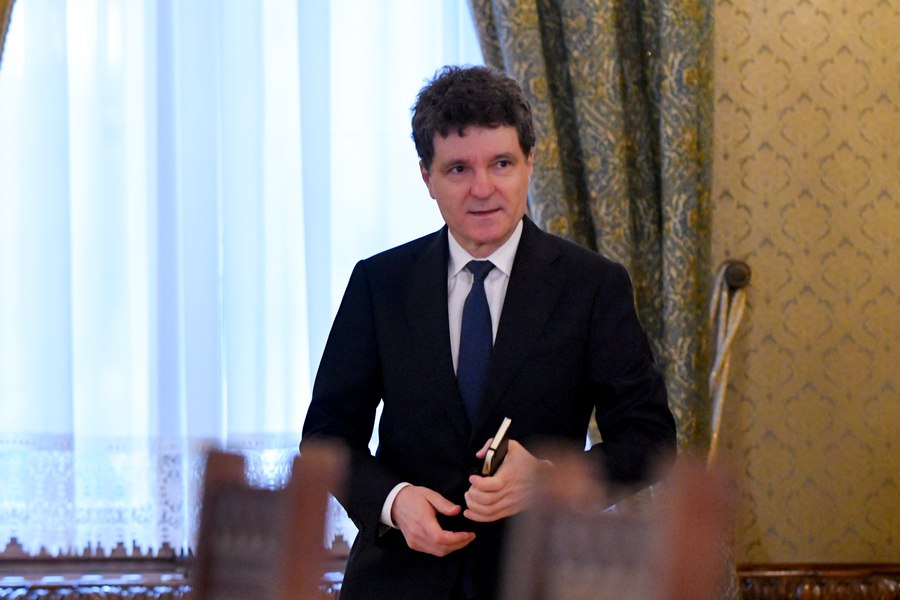
Romanian political leaders convened at Cotroceni Palace to address the critical stage of projects funded by the National Recovery and Resilience Plan (PNRR). The meeting, held on Thursday, August 20, brought together the heads of the former governing coalition parties: Nicușor Dan of the PNRR, Sorin Grindeanu of PSD, Ilie Bolojan of PNL, Dominic Fritz of USR, and Kelemen Hunor of UDMR. The primary focus was the implementation status of PNRR projects, with a looming deadline of August 31, 2026.
Today a viewpoint came from the European Commission and, based on it, the Ministry of Finance and the Ministry of Labor worked through their experts to re-evaluate the proposal.
Adding urgency to the discussions were the stalled negotiations between the Romanian government and the European Commission over a new national wage law. Brussels has expressed significant concerns about the current draft, particularly its budgetary implications. The Commission objects to proposals that would increase the salary envelope by 12 or 16 billion lei in 2027 without compensatory measures, and it rejects even phased increases. Romania faces the risk of forfeiting €770 million in funding if a version of the law that satisfies the agreed-upon conditions with the European Commission is not finalized.
The Commission did not reject the proposal, but they made certain observations and asked some questions and clarifications that are common sense. They are not forcing us, we are constrained.
Interim Prime Minister Ilie Bolojan acknowledged that the draft law submitted by the Minister of Investments and European Projects, Dragoș Pîslaru, had indeed raised questions from the European Commission. He stated that the Commission had provided feedback, prompting the Ministry of Finance and the Ministry of Labor to revise the proposal. Bolojan clarified that the Commission had not outright rejected the proposal but had offered observations and requested clarifications. He emphasized that Romania is constrained by the need to adhere to fiscal discipline, particularly in light of the government's objective to reduce the budget deficit, which the proposed wage law could jeopardize by increasing salary expenditures and potentially reducing investment.
The law would put pressure on the budget, by increasing the salary fund and reducing investments, in the context in which the Government must reduce the budget deficit.
DistantNews Editorial
Originally published by Adevărul in Romanian. Translated, summarized, and contextualized by our editorial team with added local perspective. Read our editorial standards.
More Stories


From Our Blog

What Gets Lost (and Found) When News Is Translated

The Critical Role of Diaspora Media in Global News

What Travellers Should Know About Countries with Restricted Press

A Digital Nomad's Guide to Following Local News

How the Same Story Looks Different in Different Countries
