

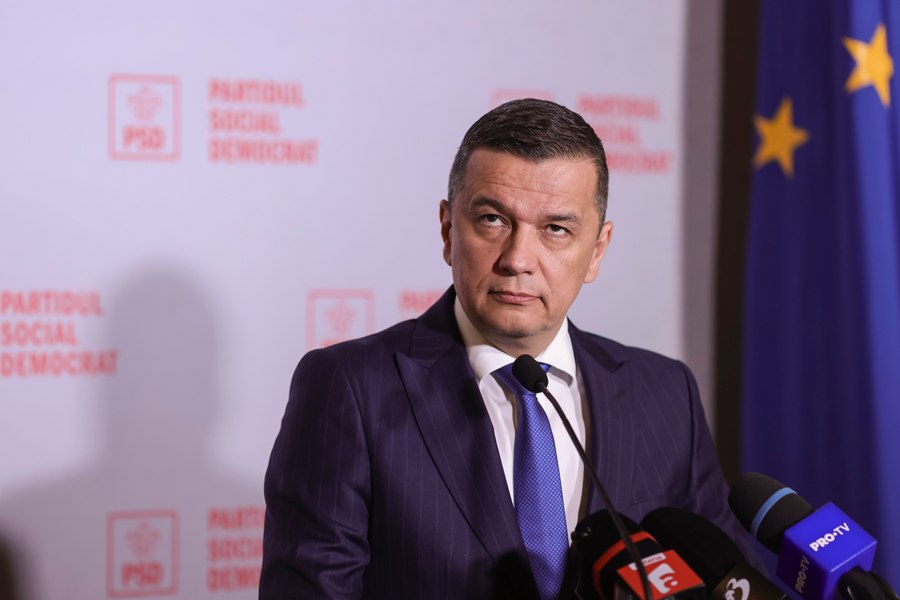

Romanian Parliament Sees Unaffiliated Lawmakers Join PNL Amid Stability Concerns
Translated from Romanian and summarized by DistantNews. Read the original for the full story.
At a glance
News
Named sources
Context piece
- Several unaffiliated lawmakers, initially elected on the tickets of AUR, SOS, POT, and PSD, have joined the PNL parliamentary group.
- Interim Prime Minister Ilie Bolojan described the situation as "interesting" and atypical, with a significant number of parliamentarians no longer affiliated with their original parties.
- Bolojan stated that the integration of these lawmakers aims to increase legislative stability, emphasizing that collaboration is acceptable if the individuals are "well-intentioned" and have no issues.
The Romanian Parliament is witnessing a significant shift as a notable number of parliamentarians, initially elected under the banners of various parties including AUR, SOS, POT, and PSD, are now aligning with the National Liberal Party (PNL). Interim Prime Minister Ilie Bolojan acknowledged this "interesting" and atypical development, noting that approximately 10% of lawmakers are no longer associated with the parties that secured their election in 2024. This phenomenon, involving around 50 parliamentarians, presents a unique dynamic in Romanian politics.
I don't think when you join a party or decide to collaborate in one form or another you necessarily have to do it if you receive something.
Bolojan, speaking on B1 TV, clarified that the PNL is not actively encouraging political "traseism" (party switching). However, he indicated an openness to collaboration with these unaffiliated lawmakers, provided they are "well-intentioned" and their backgrounds are clear. He stressed that the alternative—a large bloc of unaffiliated parliamentarians—poses a greater risk to predictability within the legislature. The PNL's move, therefore, is framed as an effort to bolster stability in an increasingly fluid parliamentary landscape.
The worst situation is to have a large group of parliamentarians who are not affiliated with anyone, because they are a factor that does not generate predictability in Parliament.
Addressing concerns about potential political bargaining, Bolojan firmly rejected any notion that support was exchanged for benefits. He asserted that joining a party or collaborating should stem from genuine alignment rather than transactional agreements. From the PNL's perspective, integrating these lawmakers is a pragmatic step to ensure a more stable and predictable legislative environment, crucial for effective governance in Romania. This situation underscores the fluid nature of party allegiances in Romania and the ongoing efforts by major parties to consolidate parliamentary support.
So, there is a fairly important number, so 50 parliamentarians. In the situation where, among these parliamentarians, discussions have been held with our county organizations and an agreement has been reached on cooperation, they are people in good standing.
About this summary
Originally published by Adevărul in Romanian. Translated, summarized, and contextualized automatically by DistantNews, with a note on how the source frames the story. Not individually reviewed before publishing. How this works.
More Stories

From Our Blog

News in Translation: What Gets Lost, and How We Keep the Framing

Diaspora Media: How Communities Abroad Follow Home

Traveling Where the Press Is Not Free: How to Read the News There

The Digital Nomad's Guide to Local News

The Same Story, Different Countries: How Coverage Changes at the Border
