


Romanian Politicians Clash Over Fashion Amid National Crises
Translated from Romanian, summarized and contextualized by DistantNews.
At a glance
News
Named sources
Context piece
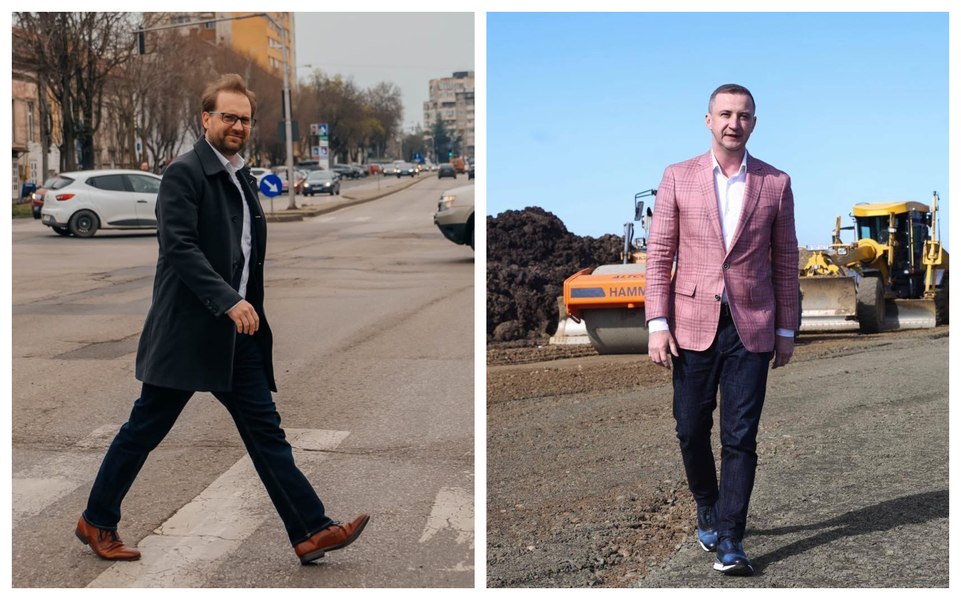
- A dispute erupted online between PSD Timiș leader Alfred Simonis and USR president Dominic Fritz over politicians' attire.
- Simonis criticized some USR members, including Fritz, for their "galoshes" and lack of "quality and style," linking it to the state of their cities.
- Fritz responded on Facebook, sharing his upbringing and stating he doesn't need validation through expensive clothing, contrasting his values with what he perceives as a trend among some Romanian politicians.
A public spat over politicians' fashion choices has ignited online debate in Romania, overshadowing pressing national issues. The dispute began when Alfred Simonis, leader of PSD Timiș, criticized the attire of some USR members, including party president Dominic Fritz, the mayor of Timișoara.
You look at them and realize how the city looks, it's the same thing.
Simonis, speaking on a podcast, suggested that politicians need "a bit of quality and style" befitting their positions, drawing a parallel between their appearance and the condition of their cities. He specifically mentioned "galoshes" worn by some USR members, implying a lack of elegance and suggesting it reflects poorly on their governance. "You look at them and realize how the city looks, it's the same thing," Simonis stated.
You see them with galoshes on their feet and you realize that's how the city looks, with holes, with potholes, with dirt.
Dominic Fritz, directly targeted by the comments, responded forcefully on Facebook. He shared a personal anecdote about growing up in a large family where education was prioritized over expensive clothing. Fritz asserted that he has never felt the need for external validation through his attire and that he wears shoes until they are ruined. He contrasted his practical approach with what he described as a tendency among "a species of Romanian politicians, predominantly in PSD, who pride themselves on having shoes that cost as much as three salaries."
I grew up with 7 brothers. Like millions of Romanians, I wore my older brother's clothes. Our parents told us from a young age that they would invest all their money in our education, not in expensive clothes.
The exchange, framed by the Romanian idiom "the country is burning and the old woman is combing her hair," highlights a perceived disconnect between political discourse and the nation's challenges, which include political, economic, and national security crises.
So I never felt the need to be validated by those around me through their admiration for how I dress.
DistantNews Editorial
Originally published by Adevărul in Romanian. Translated, summarized, and contextualized by our editorial team with added local perspective. Read our editorial standards.
More Stories


From Our Blog

What Gets Lost (and Found) When News Is Translated

The Critical Role of Diaspora Media in Global News

What Travellers Should Know About Countries with Restricted Press

A Digital Nomad's Guide to Following Local News

How the Same Story Looks Different in Different Countries
