


Romanian rural world is transforming, not reviving: Sociologist
Translated from Romanian, summarized and contextualized by DistantNews.
At a glance
In-depth
Named sources
Context piece
- Romania's rural population has seen a slight increase, but sociologists argue this signifies suburbanization rather than a revival of rural life.
- While communes near large cities are developing, many villages continue to depopulate, a trend influenced by historical administrative planning and industrialization.
- The communist era saw significant population shifts from rural to urban areas due to policies like forced industrialization and the prohibition of abortion, altering the traditional agrarian landscape.
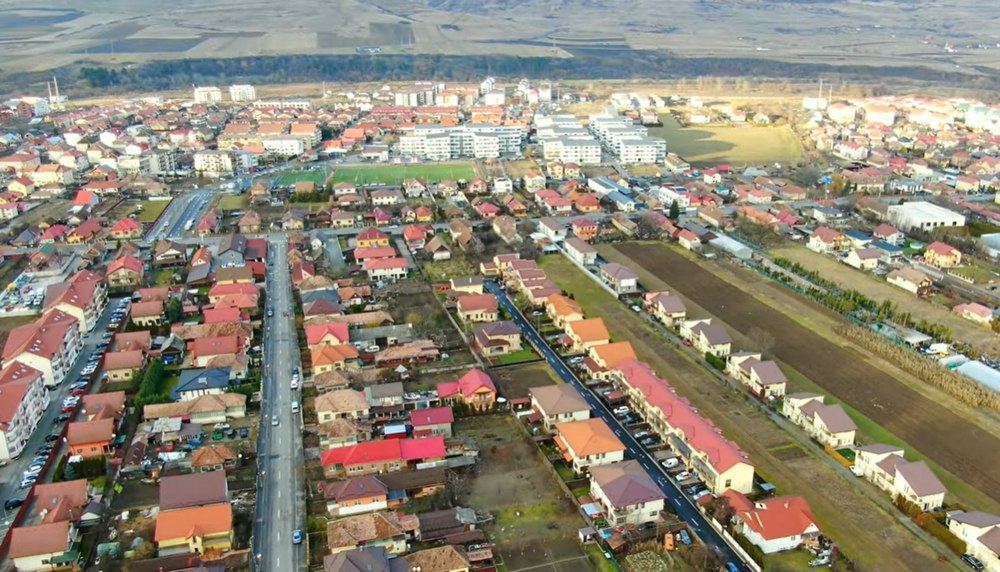
Romania's rural population has experienced a modest rise, yet sociologists caution against interpreting this as a resurgence of the traditional village. Instead, they suggest the phenomenon is largely driven by suburbanization, with communes surrounding major cities experiencing growth while many villages face continued depopulation.
We are not witnessing a revival of the village, but suburbanization.
Sociologist Norbert Petrovici explained that the Romanian village prior to 1989 was not a tranquil agrarian space but rather a subject of aggressive administrative planning. Key trends during the communist era included population growth and massive migration towards cities. While Romania's total population increased significantly post-World War II, reaching over 23 million by 1989, the proportion of rural inhabitants steadily declined.
Petrovici noted that a substantial population increase occurred following the 1966 decree that banned abortion. This demographic surge, coupled with state investments in services like kindergartens, schools, and hospitals, made life more accessible. However, Nicolae Ceaușescu's industrialization drive relocated millions from villages to large industrial centers. By 1948, 76% of Romanians lived in rural areas; by 1992, this figure had fallen to approximately 45%. Agricultural collectivization and mechanization also reduced the need for rural labor, further accelerating this transformation.
The Romanian village before 1989 was not a tranquil agrarian space, but rather the object of aggressive administrative planning.
The communist regime's rural policy, described by Petrovici as "communal densification," involved consolidating smaller villages into larger communes to centralize social services. This strategy, common across the Eastern Bloc, viewed satellite villages as extensions of urban centers, blurring the lines between city and countryside.
Romania's population systematically grew after World War II until around 1985. The data is a bit distorted from '85 to the '90s, but we see a growth zone in Romania's population in general, including the rural population.
DistantNews Editorial
Originally published by Adevărul in Romanian. Translated, summarized, and contextualized by our editorial team with added local perspective. Read our editorial standards.
More Stories



From Our Blog

What Gets Lost (and Found) When News Is Translated

The Critical Role of Diaspora Media in Global News

What Travellers Should Know About Countries with Restricted Press

A Digital Nomad's Guide to Following Local News

How the Same Story Looks Different in Different Countries
