


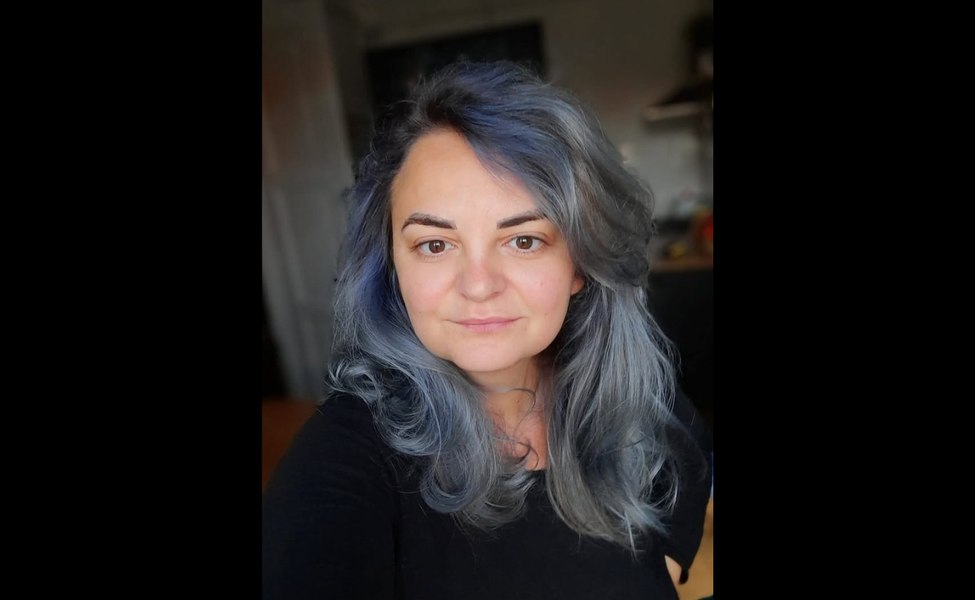
Romanian Woman Revives Ancient 'Death Doula' Role for Urban Grief
Translated from Romanian, summarized and contextualized by DistantNews.
At a glance
In-depth
Named sources
Context piece
- Anca Magyar is reviving the ancient Romanian tradition of the 'death doula' or 'bocitoarea' in urban settings.
- Historically, these women mourned the deceased, connecting the living with the afterlife, a practice that faded with urbanization.
- Today, urban dwellers seek death doulas for emotional support and counseling, seeking authenticity in end-of-life rituals.
In Romania, a revival is underway for the ancient role of the 'bocitoarea,' or death doula, a figure once central to village mourning rituals but largely lost to urbanization. Anca Magyar, trained in the United States, is bringing this practice back to urban centers like Cluj-Napoca, offering a service that connects the living with the profound experience of death.
Historically, the bocitoarea was more than just a mourner. She would visit the deceased before burial, weaving improvised laments from memories and addressing death directly, while also comforting the grieving family. Her role was crucial in giving meaning to loss and ensuring the departed soul wouldn't wander. In a patriarchal society, her cries were not just about family pride but also about maintaining the community's moral compass.
With Romania's industrialization and the communist-era exodus to cities, the bocitoarea seemed destined for extinction. Urban funerals became secular, brief ceremonies, often marked by hurried priests and subdued, almost embarrassed, displays of grief. The practice became associated with rural superstition, something city dwellers avoided to appear modern.
However, in recent years, a growing number of urban residents are seeking the services of death doulas. They find the impersonal formality of modern funeral homes inadequate for the intensity of their loss. These individuals are looking for personal therapy, a way to externalize overwhelming grief, and a desire for authenticity in honoring loved ones. Magyar describes her role as coming "in the capacity of the representative of death, trying to bring light."
DistantNews Editorial
Originally published by Adevărul in Romanian. Translated, summarized, and contextualized by our editorial team with added local perspective. Read our editorial standards.
More Stories


From Our Blog

What Gets Lost (and Found) When News Is Translated

The Critical Role of Diaspora Media in Global News

What Travellers Should Know About Countries with Restricted Press

A Digital Nomad's Guide to Following Local News

How the Same Story Looks Different in Different Countries
