


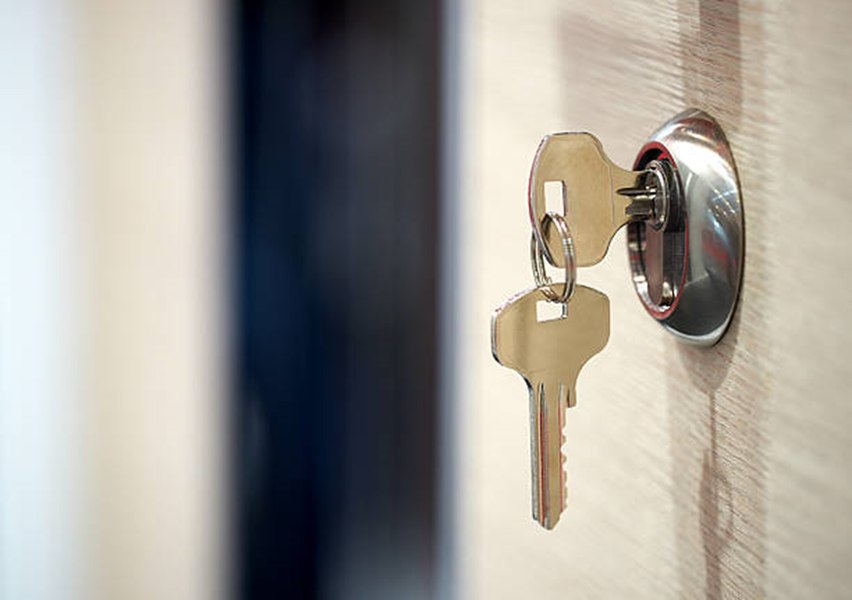
Rome residents patrol buildings amid surge in illegal apartment seizures
Translated from Romanian, summarized and contextualized by DistantNews.
At a glance
News
Named sources
Context piece
- Residents in Rome's Cinecittà area are patrolling their buildings to prevent illegal apartment occupations, with 29 units reportedly seized.
- An organized network allegedly charges €20,000 to €30,000 for illegally occupied apartments, using vulnerable individuals to delay evictions.
- The scheme involves forcing locks, changing them, and manipulating legal procedures by rotating occupants before eviction orders are issued, leaving other owners to cover unpaid bills.
Residents in a Rome neighborhood have resorted to self-patrolling their apartment blocks to combat a wave of illegal occupations, with 29 Enasarco-owned apartments in the Cinecittà area reportedly seized.
We heard noises and called the police.
Locals claim an organized network is behind the operations, charging between €20,000 and €30,000 for access to these illegally occupied apartments. "We heard noises and called the police," residents recounted, explaining that the problem has become so severe they've organized their own patrols to protect their properties. "We are at 29 occupied units. Enasarco has disappeared. Without owners, law enforcement cannot intervene. We are forced to protect ourselves."
According to resident testimonies, these occupations are not isolated incidents but part of an organized mechanism. Over the past three years, approximately 30 apartments have been occupied. Tiziana Sarta, a resident on Via Gentile, stated that prices range from €20,000 to €30,000, depending on whether the property is already occupied or if the new occupant must file the claim personally. After the initial payment, the illegal occupants reportedly incur no further costs, while remaining expenses and taxes fall on the other condominium owners.
We are at 29 occupied units. Enasarco has disappeared. Without owners, law enforcement cannot intervene. We are forced to protect ourselves.
The mechanism described involves individuals associated with the network identifying vacant apartments, often marking them with paper near the door. During the night, they force the locks and occupy the unit. Initially, vulnerable individuals are placed in the apartments to complicate immediate eviction. After a few days, they are replaced by those who paid for the unit. To further delay legal procedures, occupants are allegedly rotated again before an eviction order is issued, forcing the legal process to restart.
The cost varies depending on whether the property is already occupied by someone else or if the occupant has to file the claim personally.
Residents report that the occupants are primarily Peruvian and Colombian citizens, but also include Italians. "There are also Italians. Scams don't care about skin color," one resident said. "We are worried because they are not registered. We live barricaded in our homes without knowing who lives on our floor."
There are also Italians. Scams don't care about skin color. We are worried because they are not registered. We live barricaded in our homes without knowing who lives on our floor.
DistantNews Editorial
Originally published by Adevărul in Romanian. Translated, summarized, and contextualized by our editorial team with added local perspective. Read our editorial standards.
More Stories



From Our Blog

What Gets Lost (and Found) When News Is Translated

The Critical Role of Diaspora Media in Global News

What Travellers Should Know About Countries with Restricted Press

A Digital Nomad's Guide to Following Local News

How the Same Story Looks Different in Different Countries
