

Rome uses smart tech to protect elderly during heatwave
Translated from English, summarized and contextualized by DistantNews.
At a glance
News
Named sources
Ongoing story
- Rome is using smart technology, including electronic bracelets, to monitor and support elderly residents during a severe heatwave.
- The €400 million EU-funded scheme, launched last year, currently assists around 700 people, tracking vital signs and enabling emergency calls.
- While hailed as a crucial prevention tool, some residents express privacy concerns, leading to a drop-off in participation.
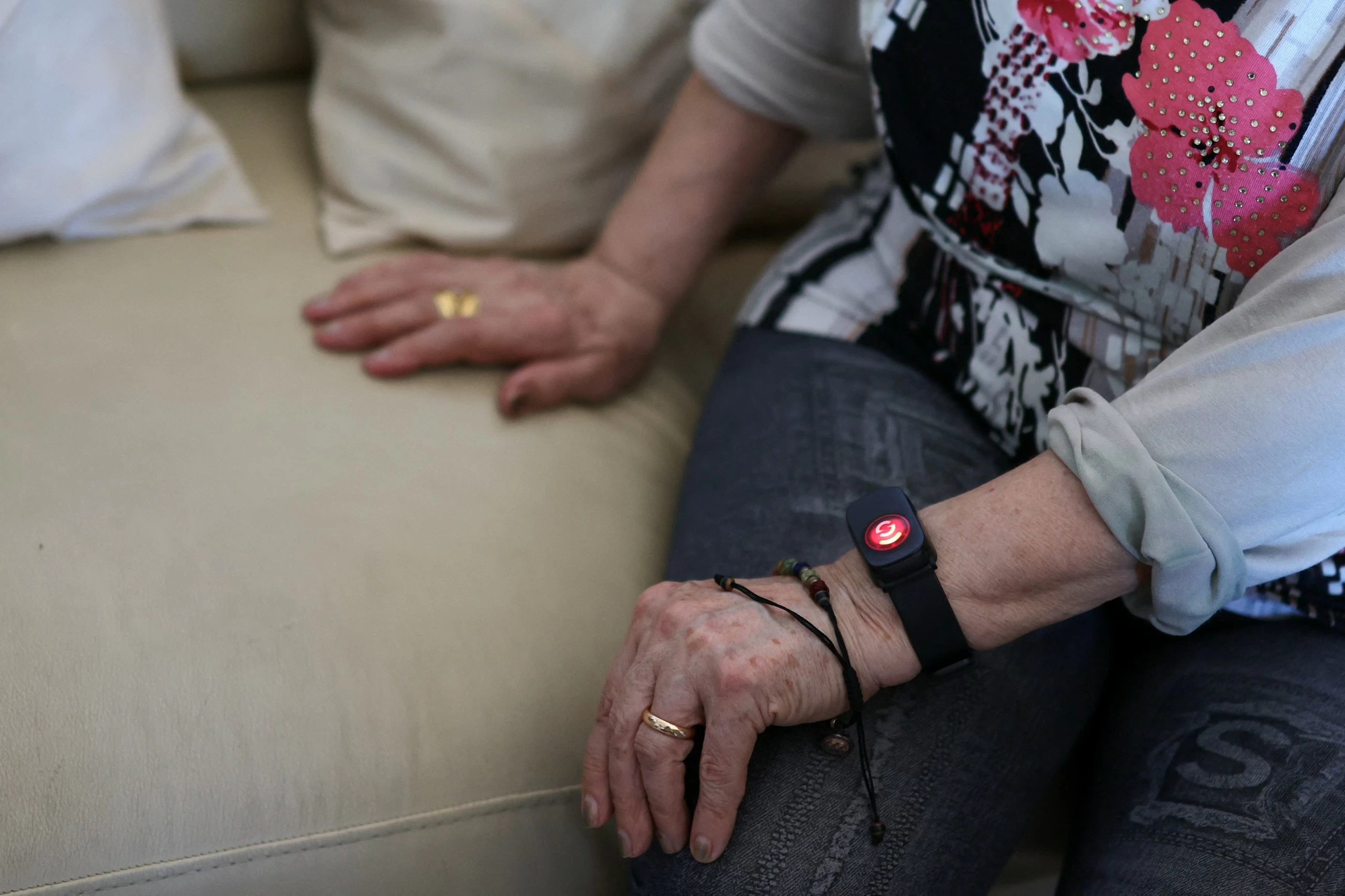
An innovative support scheme in Rome is leveraging smart technology to safeguard its elderly population amidst a scorching European heatwave. For 85-year-old widow Dina Gazzella, an electronic bracelet provides a vital link to assistance, monitoring her heart rate and sleep patterns while allowing her to call for help in emergencies.
The bracelet is crucial for elderly people in this hot period, especially because their blood pressure drops, their heart rate is slightly lower than normal, they really suffer.
This device is part of a €400 million support initiative for seniors, funded by the EU post-COVID, which Rome's municipality introduced last year. Currently, the program covers approximately 700 individuals, offering a crucial safety net during extreme weather conditions. Temperatures in Rome have recently soared into the upper 30s Celsius.
Clinical psychologist Piera Pomente, who coordinates a support desk for the scheme, emphasized the bracelet's importance. "The bracelet is crucial for elderly people in this hot period, especially because their blood pressure drops, their heart rate is slightly lower than normal, they really suffer," she stated. The bracelet, worn like a watch, features motion sensors to detect falls and tracks the wearer's movements.
If I feel unwell, this is a lifesaver.
Gazzella expressed her confidence in the device, calling it a "lifesaver." She explained that the reassurance of having help readily available if she falls provides her with peace of mind. The support desk operates weekdays, with notifications sent to relatives via a mobile app during evenings and weekends. Despite its benefits, privacy concerns have led some participants to withdraw from the program, although efforts are underway to encourage their return.
They convinced me (to get it) because they told me it was necessary, because I'm alone in the house and if something happens, if I fall, no one will pick me up; instead this one beeps, and someone will come.
DistantNews Editorial
Originally published by Gulf Today in English. Translated, summarized, and contextualized by our editorial team with added local perspective. Read our editorial standards.
More Stories
From Our Blog

What Gets Lost (and Found) When News Is Translated

The Critical Role of Diaspora Media in Global News

What Travellers Should Know About Countries with Restricted Press

A Digital Nomad's Guide to Following Local News

How the Same Story Looks Different in Different Countries
