


RSP elects new leadership in convention marred by delays, rifts
Summarized and contextualized by DistantNews.
At a glance
News
Sources not specified
Outcome reported
- The Rastriya Swatantra Party (RSP) elected new leadership after a six-day national convention marked by delays and rifts.
- Rabi Lamichhane and Swarnim Wagle were elected unopposed as chair and vice-chair, respectively, while Sobita Gautam won vice-chair and Bipin Acharya secured the general secretary post.
- The convention faced significant logistical issues, with frequent schedule changes and procedural confusion causing many delegates to leave early, impacting the final voting outcomes.
The Rastriya Swatantra Party (RSP) concluded its national convention with the election of new leadership, but the process was significantly marred by delays and internal divisions. What was planned as a three-day event stretched to six days, plagued by logistical breakdowns and procedural disruptions.
Both Gautam and Acharya have been with the party since its formation.
While party chair Rabi Lamichhane and vice-chair Swarnim Wagle faced no opposition for their posts, the contests for other key positions highlighted existing rifts. Sobita Gautam secured the vice-chair position, and Bipin Acharya was elected general secretary. Both Gautam and Acharya have been with the party since its inception.
Gautam, who currently serves as Minister for Law, Justice and Parliamentary Affairs, has a background in social activism from her student years.
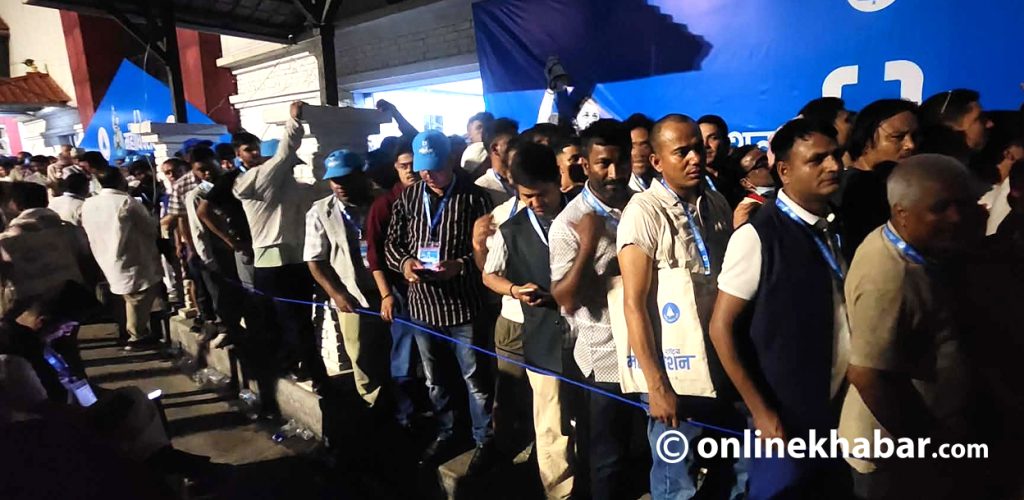
The convention's extended duration and disorganization led to a substantial drop in delegate numbers. By the time voting for office bearers concluded, fewer than half of the original 4,000 delegates remained. This situation contrasted sharply with earlier central committee elections, which saw higher participation. The dwindling delegate count meant the final leadership decisions were made by a significantly reduced group, raising questions about the representativeness of the outcome.
Acharya, previously a joint general secretary, has worked closely with the leadership and led the party’s statute amendment committee.
The race for general secretary, initially featuring ten candidates, became a focal point of internal contestation. Despite efforts to forge consensus and avoid elections, including the withdrawal of some candidates and a foreign minister, a full agreement did not materialize. This ultimately led to elections deciding the outcome, with Bipin Acharya emerging victorious.
Frequent changes to schedule, procedural confusion and rising accommodation costs led many delegates to leave Chitwan early, meaning the final leadership outcomes were decided by less than half of the initial delegate strength.
DistantNews Editorial
Originally published by Kathmandu Post. Summarized and contextualized by our editorial team with added local perspective. Read our editorial standards.
More Stories


From Our Blog

What Gets Lost (and Found) When News Is Translated

The Critical Role of Diaspora Media in Global News

What Travellers Should Know About Countries with Restricted Press

A Digital Nomad's Guide to Following Local News

How the Same Story Looks Different in Different Countries
