

Rubio to Visit Southeast Asia to Reaffirm Partnerships
Translated from English, summarized and contextualized by DistantNews.
At a glance
News
Named sources
New plan
- U.S. Secretary of State Marco Rubio will visit Southeast Asia to strengthen partnerships.
- The trip aims to counter China's influence and address economic strains from the Iran conflict.
- Key issues include the Indo-Pacific, South China Sea disputes, and the situation in Myanmar.
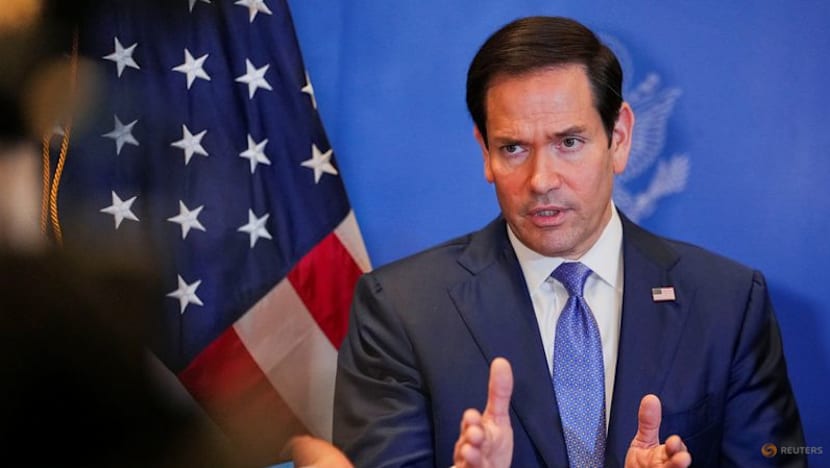
U.S. Secretary of State Marco Rubio is set to embark on a trip to Southeast Asia next week, aiming to reaffirm partnerships and counter China's growing influence in the region. The visit comes amid economic strains on traditional American allies due to the ongoing conflict with Iran. Rubio will attend a meeting of foreign ministers from the Association of Southeast Asian Nations (ASEAN) in Manila, where discussions are expected to focus on a free and open Indo-Pacific. The State Department emphasized that this initiative seeks to deliver safety, security, and prosperity for the region and the American people. The trip also aims to address the repercussions of the Iran conflict, particularly its impact on oil-dependent Asian nations and traffic through the Strait of Hormuz. Discussions are also anticipated regarding the contentious South China Sea disputes, where China claims sovereignty over nearly all waters despite international rulings. The situation in Myanmar, following a 2021 military coup, is also on the agenda, with ASEAN ministers urging progress on a peace plan.
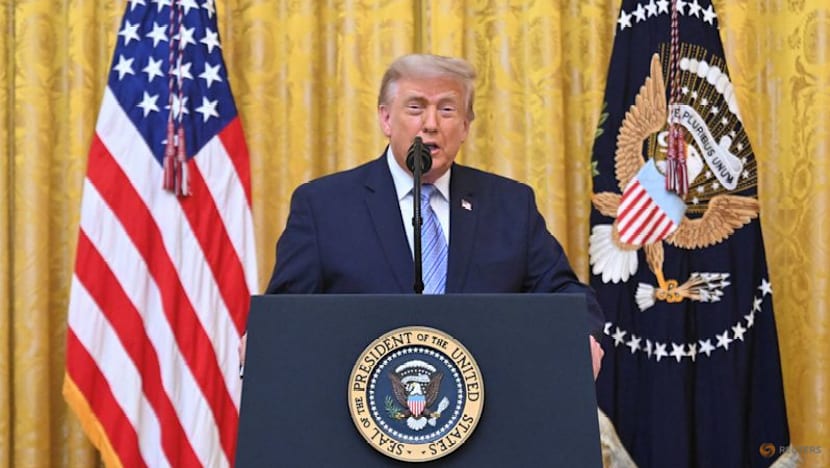
Rubio's visit underscores a clear U.S. priority to bolster its presence and influence in the Indo-Pacific. This strategic engagement seeks to reassure allies and present a united front against perceived assertiveness from Beijing. The timing of the trip, following President Donald Trump's strong allegations of Chinese meddling in U.S. elections, highlights the broader geopolitical tensions at play. The U.S. aims to present itself as a reliable partner, offering security and economic cooperation while advocating for a rules-based international order. The State Department has indicated that strengthening partnerships is key to achieving these objectives, particularly in navigating complex regional challenges.
The economic impact of the conflict in the Middle East will likely be a significant topic of conversation. Asian countries, many of which are heavily reliant on imported hydrocarbons, have been particularly affected by disruptions to global energy markets and shipping routes. The potential for a shared fuel reserve among ASEAN nations, discussed at a previous summit, may also be revisited as a measure to enhance regional energy security. The U.S. seeks to support these efforts while also promoting its own energy interests and partnerships. The diplomatic outreach aims to foster greater collaboration on issues ranging from economic stability to regional security, reinforcing the U.S. commitment to the Indo-Pacific.
advances a clear US priority: a free and open Indo-Pacific that delivers safety, security, and prosperity for the region and for the American people
DistantNews Editorial
Originally published by CNA in English. Translated, summarized, and contextualized by our editorial team with added local perspective. Read our editorial standards.
More Stories

From Our Blog

What Gets Lost (and Found) When News Is Translated

The Critical Role of Diaspora Media in Global News

What Travellers Should Know About Countries with Restricted Press

A Digital Nomad's Guide to Following Local News

How the Same Story Looks Different in Different Countries
