


Ruling Party Criticizes Government's Honam Semiconductor Cluster Plan
Translated from Korean, summarized and contextualized by DistantNews.
At a glance
News
Named sources
New plan
- South Korea's ruling party criticizes the government's plan to build a "mega semiconductor cluster" in the Honam region.
- The party claims the plan infringes on corporate autonomy and constitutes government overreach.
- They are demanding a parliamentary investigation into the decision-making process.
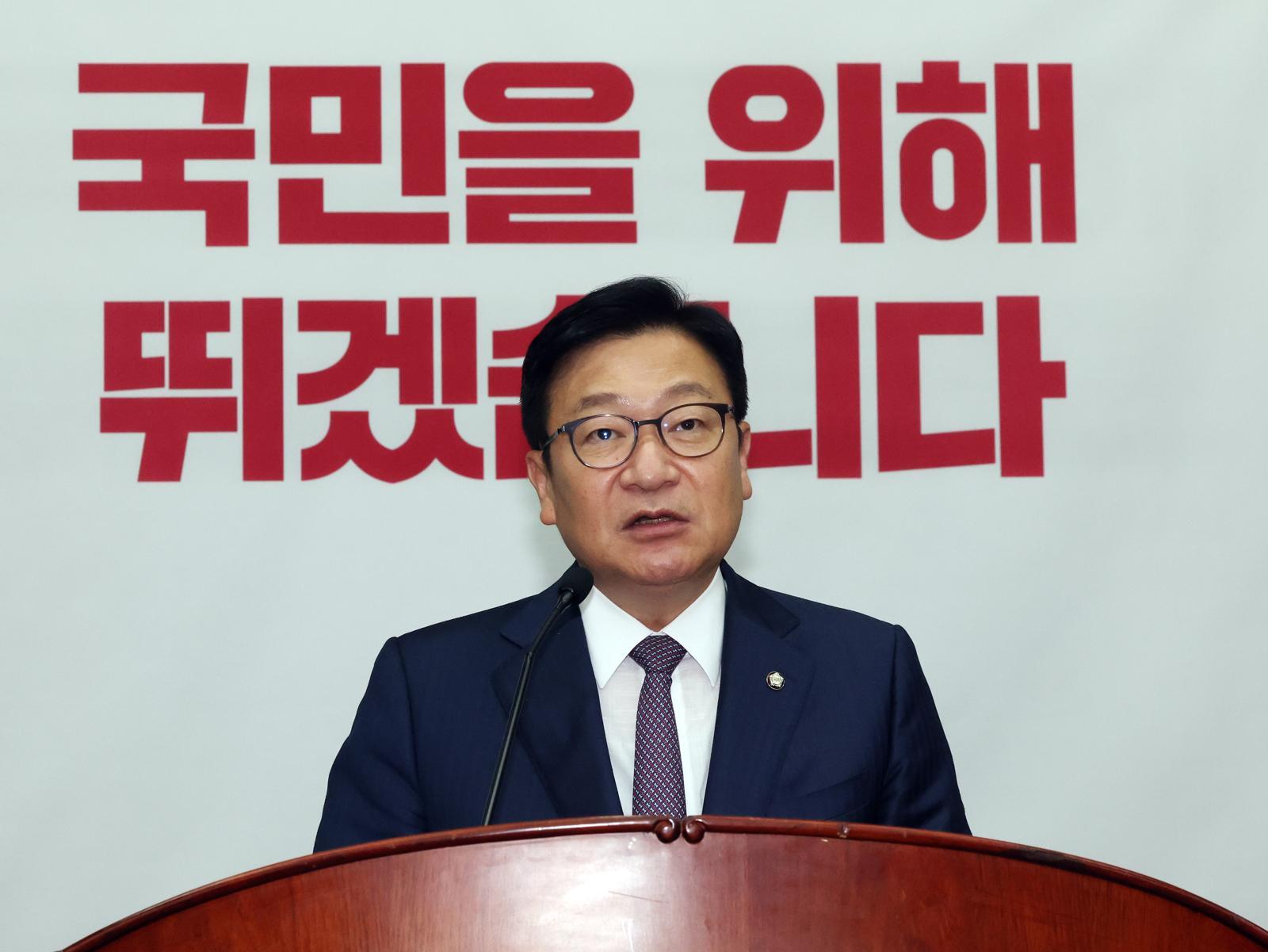
A political dispute has erupted in South Korea over the government's initiative to establish a "mega semiconductor cluster" in the Honam region, involving major companies like Samsung Electronics and SK Hynix. The ruling People Power Party is vocally opposing the plan, arguing it infringes on the inherent rights of corporations and represents government intervention in business decisions. During a supreme council meeting, floor leader Chung Jin-suk asserted that President Lee Jae-myung's characterization of the investment as "administrative guidance" rather than an abuse of power or coercion is a misleading attempt to obscure the core issue. He stated that this admission effectively confirms government interference in corporate site selection. Supreme council member Shin Dong-wook echoed these sentiments, emphasizing that the public's concern is not about investment flowing to the Gwangju-Jeonnam area itself, but rather the rationale behind the government's decision-making process. He questioned the long-term national strategy behind choosing this location and stressed that companies should ideally determine their own sites voluntarily. Shin called for a parliamentary investigation into the matter, suggesting that the government's actions could have serious repercussions.
President Lee Jae-myung said (the investment in the Honam region) is administrative guidance, not an abuse of power or a coercive directive. This is wordplay that blurs the essence of the controversy and simultaneously a confession of state-controlled intervention, acknowledging that the factory's location was decided by government interference and intervention.
DistantNews Editorial
Originally published by Dong-A Ilbo in Korean. Translated, summarized, and contextualized by our editorial team with added local perspective. Read our editorial standards.
More Stories



From Our Blog

What Gets Lost (and Found) When News Is Translated

The Critical Role of Diaspora Media in Global News

What Travellers Should Know About Countries with Restricted Press

A Digital Nomad's Guide to Following Local News

How the Same Story Looks Different in Different Countries
