


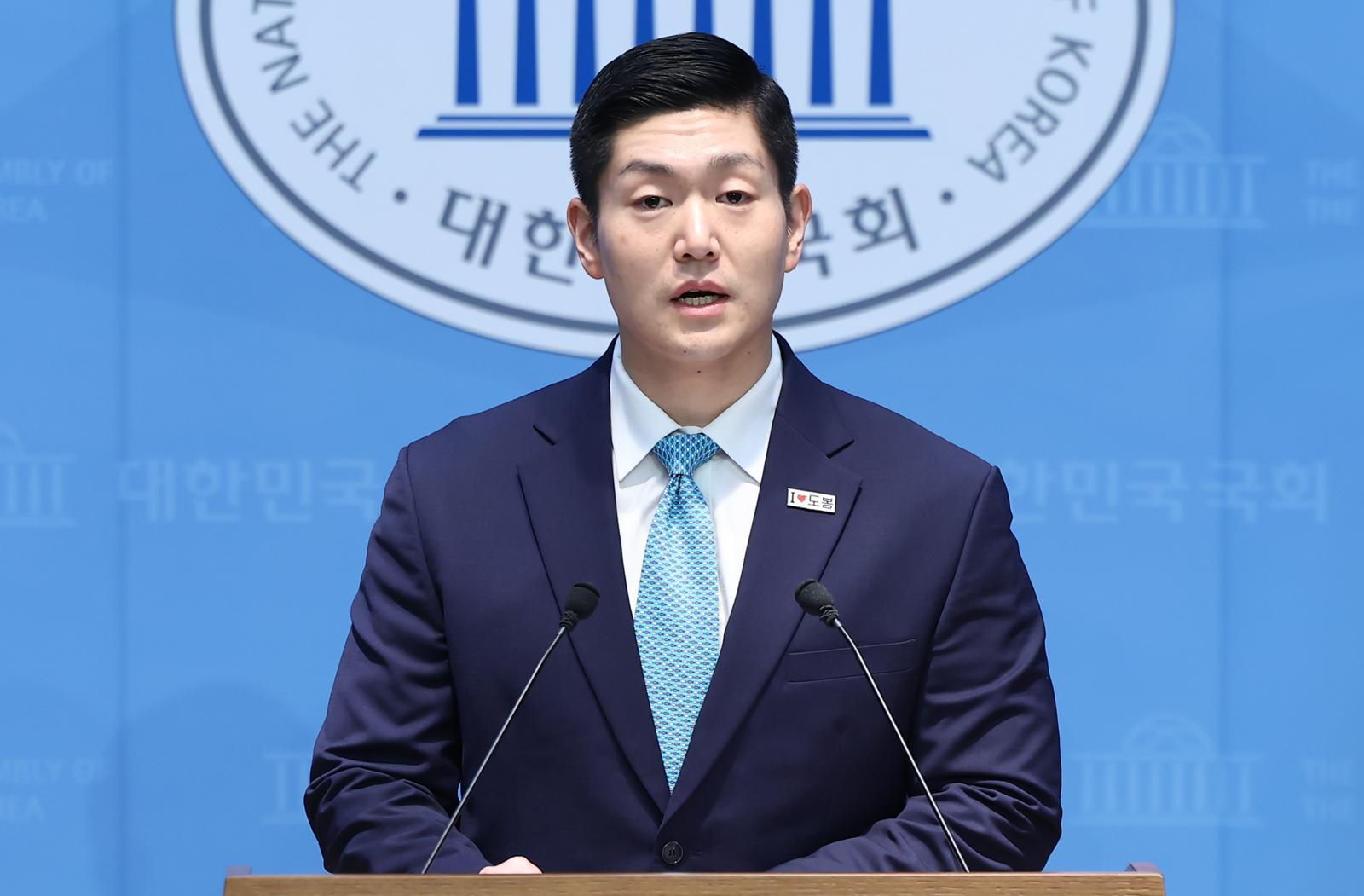
Ruling Party Lawmaker Proposes ‘Provisional Tourist Zone’ Status for Areas Planned for Major Cultural Facilities
Translated from Korean and summarized by DistantNews. Read the original for the full story.
At a glance
News
Named sources
New plan
- People Power Party lawmaker Kim Jae-seop introduced a bill to designate areas planned for major cultural facilities as provisional tourist zones for up to five years.
- The proposal would allow authorities to prepare roads, accommodation and tourist information facilities before the sites begin attracting enough foreign visitors to qualify under current law.
- The bill covers areas that have completed administrative procedures for major cultural facilities and could later meet the requirements for full tourist-zone designation.
A South Korean lawmaker wants areas preparing to host major cultural facilities to receive tourist-zone status before the facilities open, arguing that infrastructure should not have to wait for visitors to arrive.
Kim Jae-seop of the People Power Party, who represents Seoul’s Dobong-A constituency, submitted a revision to the Tourism Promotion Act. The bill would permit areas where large cultural facilities are planned to receive provisional tourist-zone designation for up to five years.
Under the current law, a tourist zone must attract a certain number of foreign visitors and provide conditions such as tourist information and accommodation facilities. National and local governments can then provide various forms of support.
That framework creates a problem for planned cultural venues, according to the bill’s rationale. Until a facility begins operating, the area may struggle to meet the foreign-visitor threshold, making it difficult to install roads, hotels and tourist information facilities in advance.
The proposed amendment targets areas that have completed the administrative procedures required to build a major cultural facility. If the facility later begins operations and the area meets the conditions for full tourist-zone designation, the provisional status would provide a way to prepare the necessary infrastructure beforehand.
About this summary
Originally published by Dong-A Ilbo in Korean. Translated, summarized, and contextualized automatically by DistantNews, with a note on how the source frames the story. Not individually reviewed before publishing. How this works.
More Stories



From Our Blog

What Gets Lost (and Found) When News Is Translated

The Critical Role of Diaspora Media in Global News

What Travellers Should Know About Countries with Restricted Press

A Digital Nomad's Guide to Following Local News

How the Same Story Looks Different in Different Countries
