

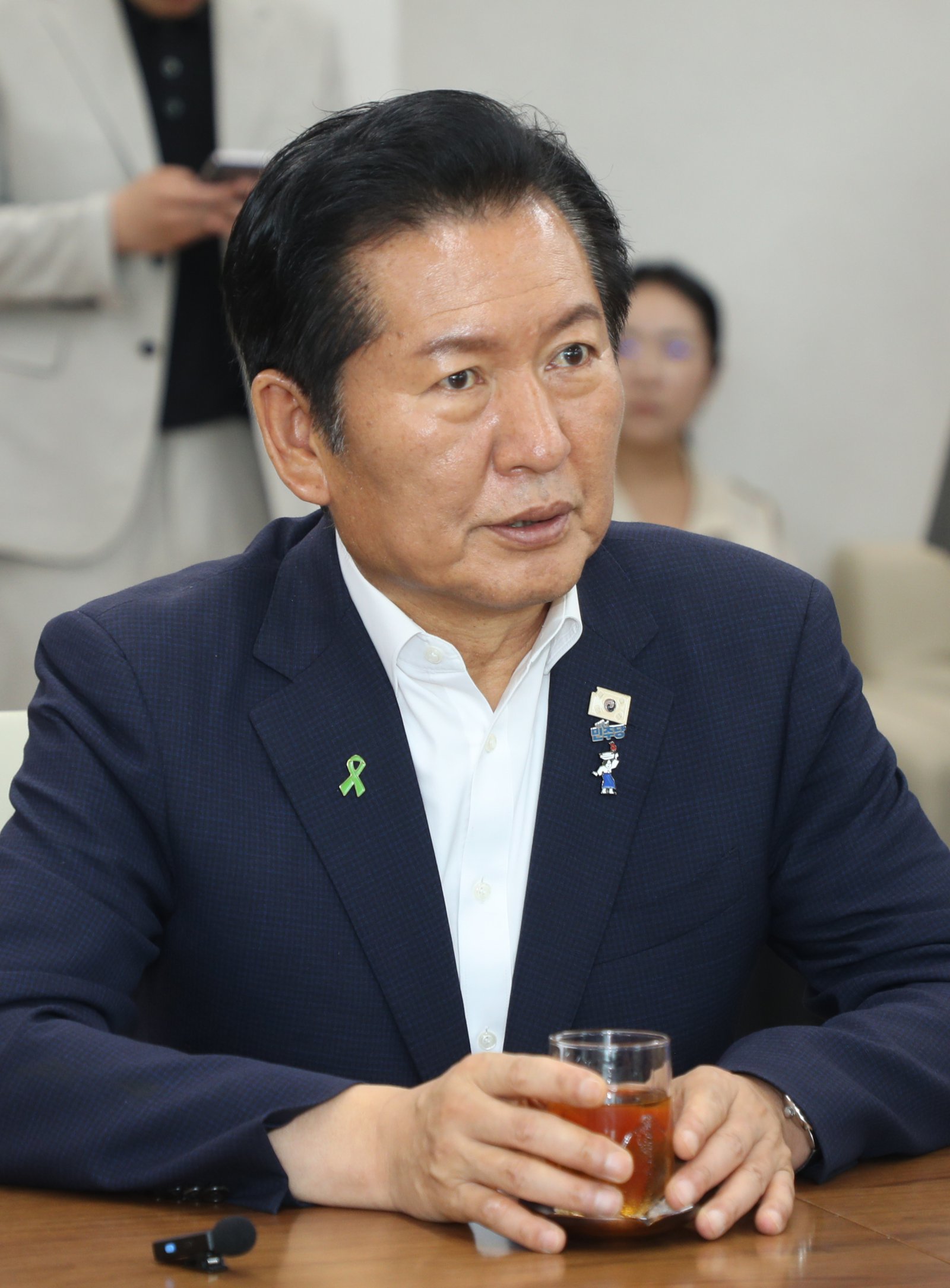
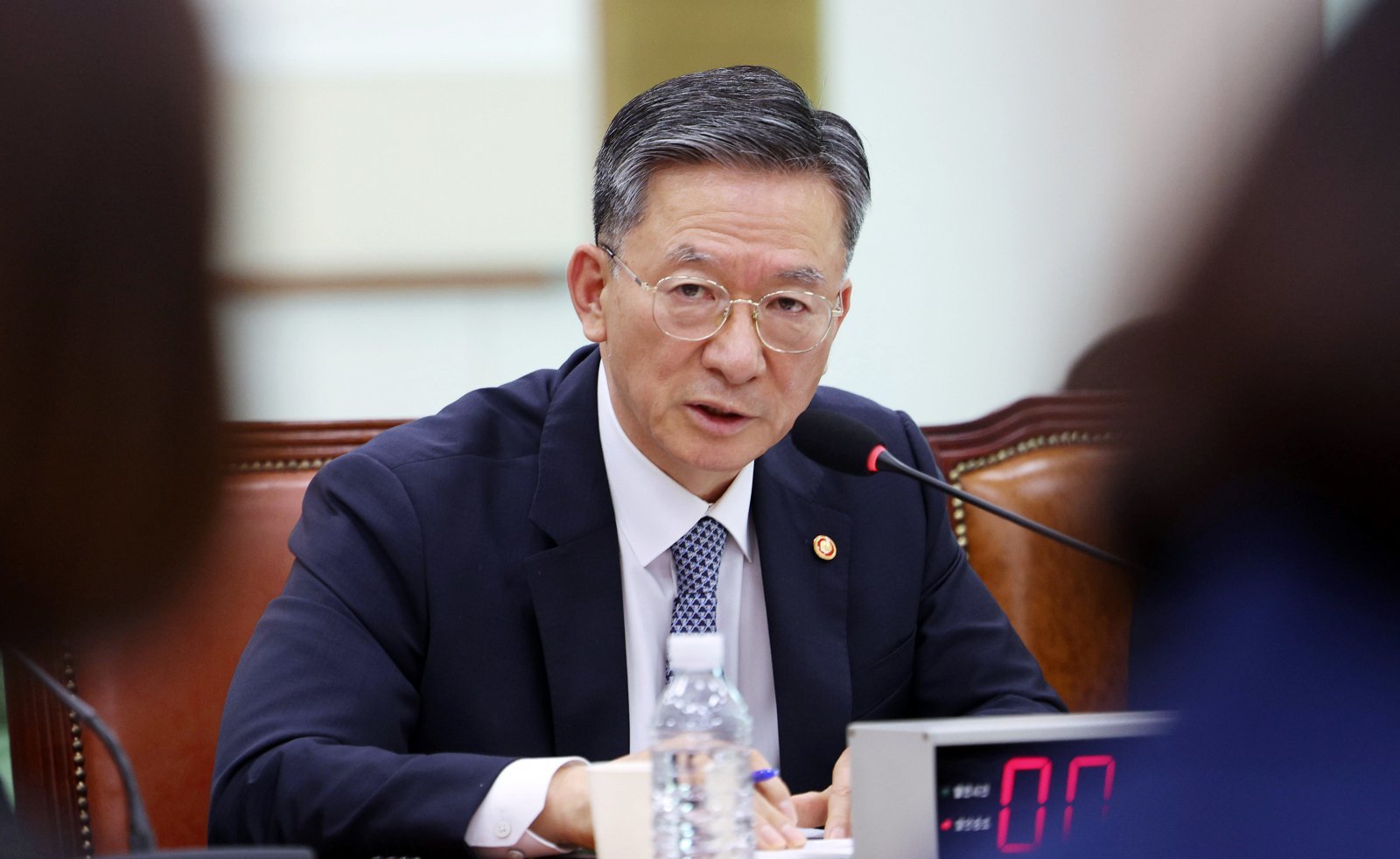
Ruling Party Slams Justice Minister's Resignation Offer as 'Political Theater'
Translated from Korean, summarized and contextualized by DistantNews.
At a glance
News
Sources not specified
New plan
- South Korea's People Power Party criticized Justice Minister Choo Mi-ae's resignation offer as a political stunt.
- The party accused Choo of avoiding responsibility and engaging in a "letter of resignation political show."
- They argued Choo should have publicly opposed the prosecution reform bill instead of offering to resign.
South Korea's ruling People Power Party has sharply criticized Justice Minister Choo Mi-ae's recent offer to resign, calling it a mere "political theater" designed to evade accountability. The party dismissed the resignation attempt, which was reportedly rejected by President Lee Jae-myung, as a politically motivated stunt lacking any genuine conviction or principle.
It feels like watching a political drama... a 'letter of resignation political show' without justification or conviction, merely a political alibi to avoid responsibility.
Park Seong-hoon, the People Power Party's senior spokesperson, stated that Choo's resignation offer and the president's subsequent plea for him to stay felt like a staged political drama. He argued that if Choo were truly concerned about judicial justice, he should have publicly urged the president to veto the controversial criminal procedure amendment bill. Instead, the party asserted, Choo chose a path of "cowardly resignation" rather than standing firm against what they termed "this unrighteous legislative rampage."
If he were truly concerned about judicial justice, instead of cowardly 'resigning and washing his hands of it,' he should have publicly advised the president to exercise his veto power on the (amended criminal procedure act) and fought to the end, risking his ministerial position, to stop this unrighteous legislative rampage.
The party further accused both the Justice Minister and the President of complicity. "There is no difference between a minister who pretends to have fulfilled his duties with a single letter of resignation, despite foreseeable side effects, and a president who passively watches the rampage of the large ruling party as the ultimate person in charge of state affairs," Park stated. He concluded that silence in such a situation is not neutrality but agreement, and inaction is akin to being an accomplice.
There is no difference between a minister who pretends to have fulfilled his duties with a single letter of resignation, despite foreseeable side effects, and a president who passively watches the rampage of the large ruling party as the ultimate person in charge of state affairs.
The People Power Party's strong reaction highlights the deep political divisions surrounding judicial reforms in South Korea. Choo's resignation offer, seen by the opposition as a calculated move, has intensified the political conflict, with the party demanding a more robust defense of judicial principles from the Justice Minister.
Silence is not neutrality but agreement, and inaction is complicity.
DistantNews Editorial
Originally published by Dong-A Ilbo in Korean. Translated, summarized, and contextualized by our editorial team with added local perspective. Read our editorial standards.
More Stories


From Our Blog

What Gets Lost (and Found) When News Is Translated

The Critical Role of Diaspora Media in Global News

What Travellers Should Know About Countries with Restricted Press

A Digital Nomad's Guide to Following Local News

How the Same Story Looks Different in Different Countries
