


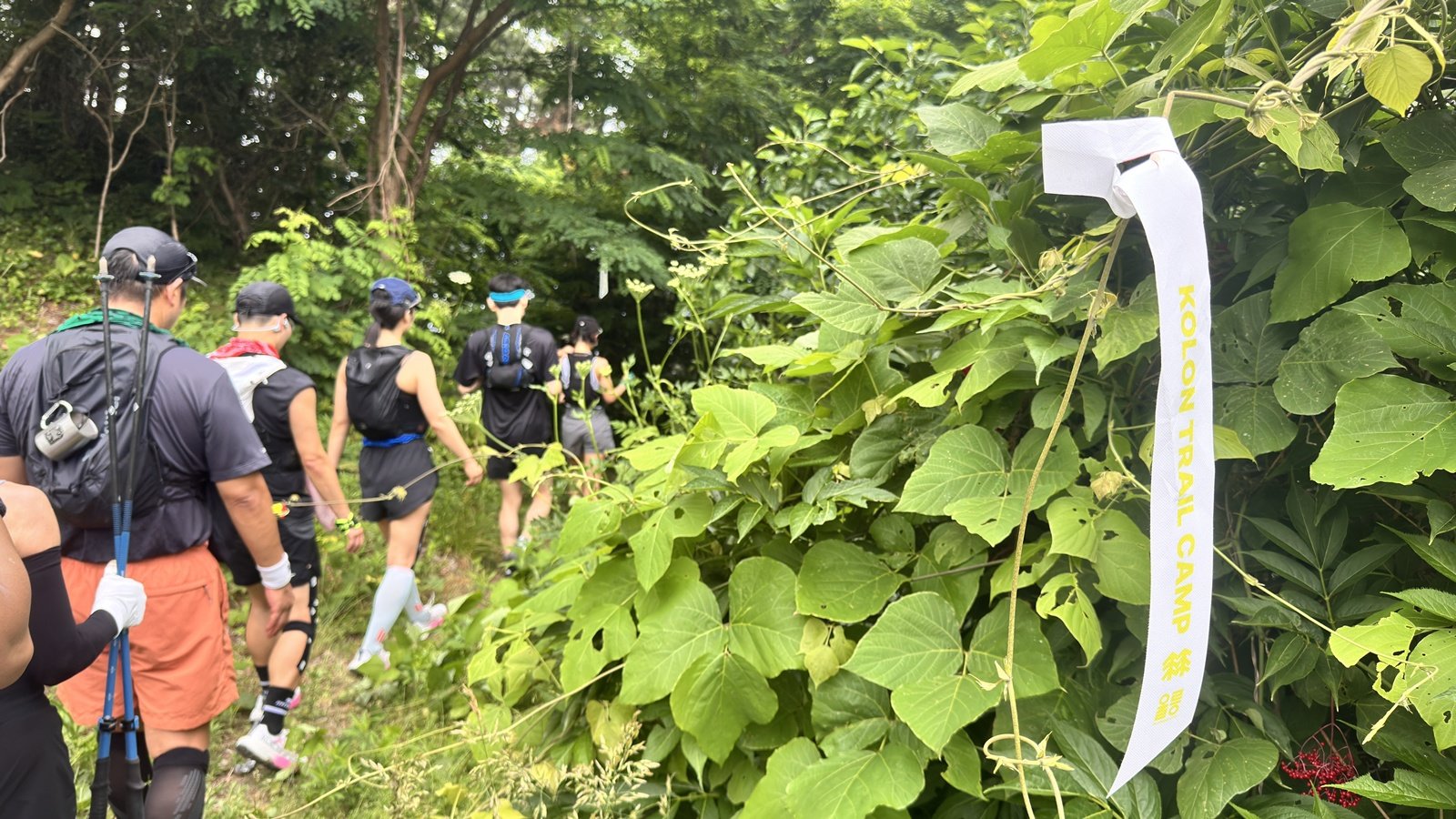
Runners Circle Ulleung Island, Leaving Memories Instead of Records
Translated from Korean, summarized and contextualized by DistantNews.
At a glance
In-depth
Sources not specified
Context piece
- Runners completed a 44km race around Ulleung Island, known as the 'Island of Mystery'.
- The island's unique volcanic geography, steep slopes, and frequent fog contribute to its isolated and unique environment.
- The race offered participants a chance to experience the island's natural beauty and create memories, rather than focusing on records.
Ulleung Island, often called 'Korea's Galapagos,' is a volcanic island characterized by its dramatic geography and unique ecosystem. Its name itself derives from its mountainous terrain, with the highest peak, Seonginbong, serving as a natural boundary across the island's administrative districts. Much of the island features slopes exceeding 14 degrees, and its coastline is marked by steep cliffs and eroded formations, giving the impression of a single, massive mountain rising from the sea.
The island earns its moniker, the 'Island of Mystery,' due to its frequent shrouding in fog and sea mist. It often appears only on specific, clear days, emerging from beyond the horizon of the East Sea. This isolation, stemming from its volcanic origin and separation from the mainland, has fostered a distinct natural environment and topography.
Recently, runners navigated a challenging 44km course around this enigmatic island. The event emphasized creating memories and appreciating the landscape over setting new records. Participants experienced the island's rugged beauty, from its steep inclines to its dramatic coastal features, embracing the opportunity to connect with its unique natural allure.
It is also called Muryeong (武陵) and Ureung (羽陵). The two islands are in the sea directly east of the prefecture. Three peaks rise straight up to the sky, with the southern peak slightly lower. When the wind and weather are clear, the trees on the peaks and the sandy shores at the foot of the mountains are clearly visible, and it can be reached in two days with a favorable wind.
DistantNews Editorial
Originally published by Dong-A Ilbo in Korean. Translated, summarized, and contextualized by our editorial team with added local perspective. Read our editorial standards.
More Stories



From Our Blog

What Gets Lost (and Found) When News Is Translated

The Critical Role of Diaspora Media in Global News

What Travellers Should Know About Countries with Restricted Press

A Digital Nomad's Guide to Following Local News

How the Same Story Looks Different in Different Countries
