

Rural Communities Block Pan-American Highway in Cauca Over Energy and Road Issues
Translated from Spanish, summarized and contextualized by DistantNews.
At a glance
News
Named sources
Ongoing story
- Rural communities in Cauca, Colombia, are blocking the Pan-American Highway, disrupting traffic between Cali and Popayán.
- Protesters cite persistent failures in electricity service and unfulfilled road infrastructure commitments as their main grievances.
- Demonstrators demand concrete solutions from the Compañía Energética de Occidente and the Nuevo Cauca concession before lifting the blockade.
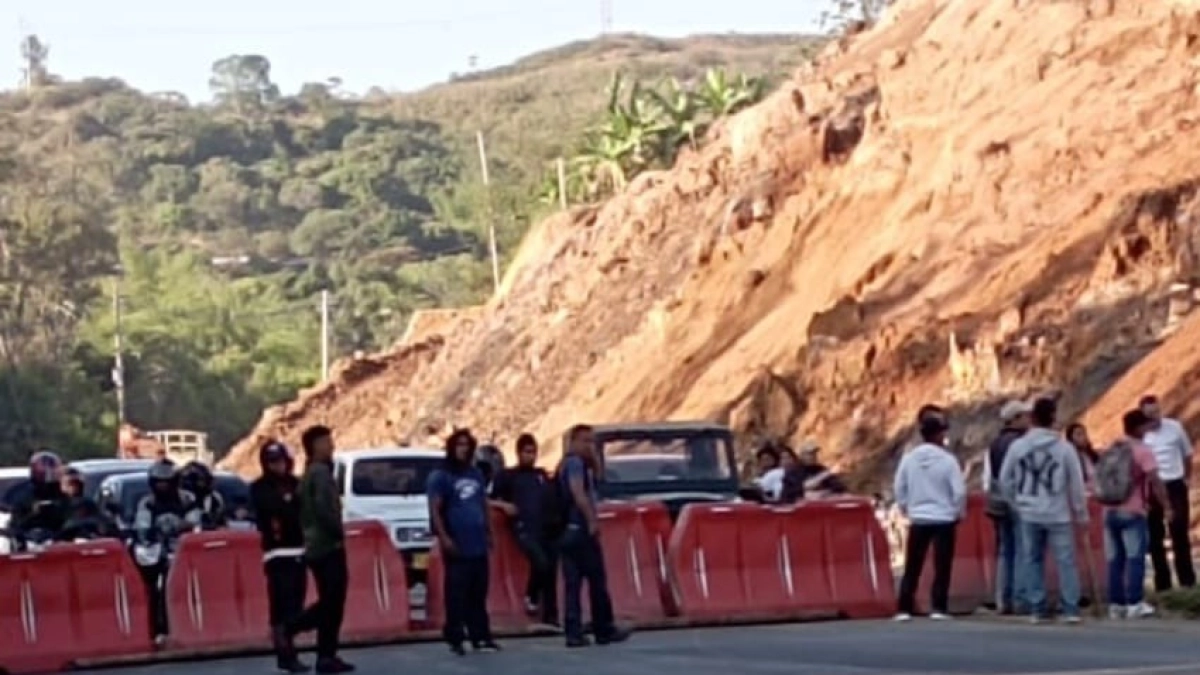
Rural communities in the northern Cauca region of Colombia have blocked the vital Pan-American Highway, severing the connection between Cali and Popayán. The protest, centered in the Mandivá sector of Santander de Quilichao, began on Tuesday, July 14, 2026, causing significant traffic delays and long queues of vehicles.
The demonstrators are demanding immediate attention and concrete solutions from the Compañía Energética de Occidente (CEO) regarding recurring and prolonged failures in the electricity service affecting rural areas. They seek definitive technical solutions to ensure a stable power supply.
In addition to the energy issues, the communities are protesting the lack of progress on road infrastructure commitments made by the Nuevo Cauca concession. Specifically, they are calling for the construction of road turnarounds to facilitate safe access to their villages. The absence of these improvements hinders agricultural transport, daily commutes, and the timely response to medical emergencies.
Reports indicate moments of tension at the blockade site as some drivers attempted to force their way through. Local authorities and law enforcement are monitoring the situation closely, aiming to mediate dialogue between the protest leaders and the involved entities to restore traffic flow. The protesters have stated their intention to maintain the blockade until their demands are met with concrete commitments.
DistantNews Editorial
Originally published by El Tiempo in Spanish. Translated, summarized, and contextualized by our editorial team with added local perspective. Read our editorial standards.
More Stories
From Our Blog

What Gets Lost (and Found) When News Is Translated

The Critical Role of Diaspora Media in Global News

What Travellers Should Know About Countries with Restricted Press

A Digital Nomad's Guide to Following Local News

How the Same Story Looks Different in Different Countries
