


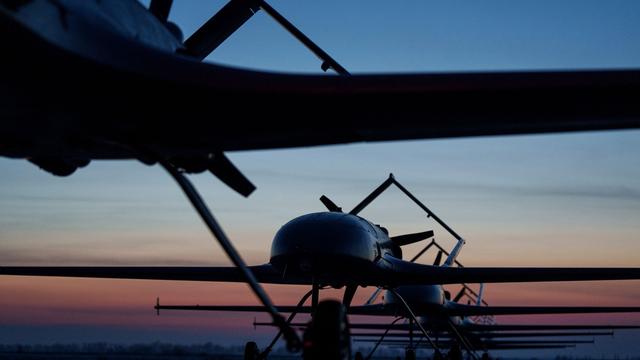

Russia and North Korea open their first road bridge
Translated from German and summarized by DistantNews. Read the original for the full story.
At a glance
News
From a news agency
Outcome reported
- Russia and North Korea opened their first road bridge across the Tumen River, adding a truck route to their existing rail link.
- Officials describe the bridge as a way to deepen economic, scientific, technical and cultural cooperation, while reports say it could also facilitate military supplies to Russia.
- The project was agreed during Vladimir Putin’s 2024 visit to North Korea, and construction began in spring 2025.
Russia and North Korea have opened their first road bridge, creating a new link between the two countries that officially promises more trade, tourism and jobs. The bridge spans the Tumen River near the existing Friendship Bridge, the only route connecting the neighbors until now.
The new crossing allows trucks to travel between Russia and North Korea. The report says the road network could make it easier for shipments to evade Western satellite surveillance because its many branches would make loading and unloading harder to detect.
Russian Prime Minister Mikhail Mishustin joined the opening ceremony by video link. He said expanded cross-border transport infrastructure would give new momentum to cooperation in the economy, science, technology and culture. He also said the bridge would strengthen tourism and create jobs.
The project carries a more strategic implication. Although the bridge is officially presented as a commercial and tourism initiative, it could also supply the Russian army with goods. The description frames it as another link in the alliance between Moscow and Pyongyang and suggests that military support may be part of its purpose.
Russia and North Korea agreed to build the bridge during Russian President Vladimir Putin’s visit to North Korea in 2024. Construction started in spring 2025. The bridge reportedly takes its name from Yakov Novichenko, a Soviet officer who saved Kim Jong Un’s grandfather, Kim Il Sung, from an assassination attempt in 1946.
I am convinced that the development of cross-border transport infrastructure will give new momentum to cooperation in the economy, science, technology and culture.
About this summary
Originally published by Der Spiegel in German. Translated, summarized, and contextualized automatically by DistantNews, with a note on how the source frames the story. Not individually reviewed before publishing. How this works.
More Stories
From Our Blog

News in Translation: What Gets Lost, and How We Keep the Framing

The Same Story, Different Countries: How Coverage Changes at the Border

Diaspora Media: How Communities Follow News From Home

Traveling Where the Press Is Not Free: How to Read the News There

The Digital Nomad's Guide to Local News
