

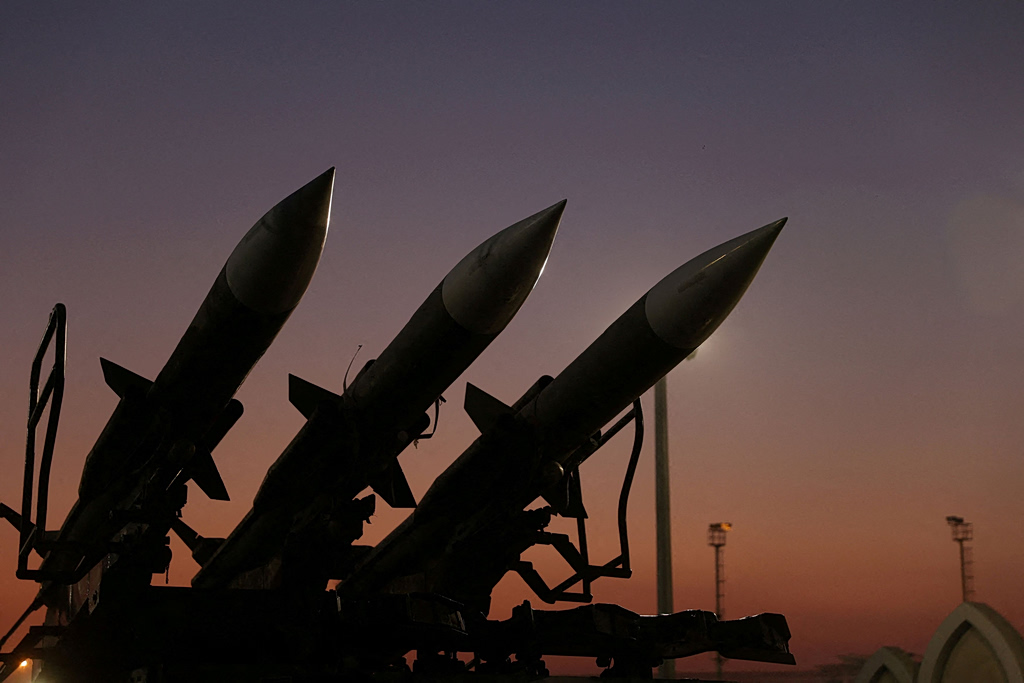

Russia faces widespread fuel shortages after Ukrainian attacks
Translated from Greek, summarized and contextualized by DistantNews.
At a glance
News
Sources not specified
Ongoing story
- Ukrainian drone attacks have caused fuel shortages extending across Crimea, southern Russia, and even reaching Moscow.
- Drivers across Russia face limited fuel purchases, with particularly strict restrictions in Russian-occupied Ukrainian territories, southern Russia, and Siberia.
- While President Putin acknowledged the shortages, authorities are working to ensure adequate supply, though some areas, like Crimea, have suspended sales to individuals.
Fuel shortages, exacerbated by Ukrainian drone attacks, are now widespread across Russia, affecting regions from annexed Crimea to southern Russia and the capital, Moscow, according to residents.
Drivers throughout much of Russia are experiencing limits on fuel purchases. The restrictions are especially stringent in Ukrainian territories occupied by Russia, large parts of southern Russia, and Siberia. While Moscow and a few remote areas have not imposed formal limits, some gas stations in the capital are closed, and others have long queues.
President Vladimir Putin acknowledged on Sunday that Ukrainian drone strikes had led to fuel shortages in certain areas. He stated that a special task force is working to guarantee sufficient supplies nationwide. However, the situation remains challenging, particularly in Crimea, which Russia annexed in 2014.
In Crimea, Ukrainian forces have been targeting supply lines as part of an effort to disrupt Russia's war machine. Crimean authorities have suspended fuel sales to private drivers and reduced operating hours for public transport and cafes. In Sevastopol, the largest city, residents faced queues for gasoline priced at 189 rubles per liter, nearly triple the normal rate, when sales were permitted in limited quantities.
The shortages have also reached Rostov, a southern Russian city near the border with southeastern Ukraine. In Moscow, despite an explosion at a refinery during a Ukrainian drone attack a week prior, prices at major state-run gas stations have remained largely stable. However, some private stations have seen prices increase by over 10%, reaching about 80 rubles per liter, and queues have formed in parts of the city.
DistantNews Editorial
Originally published by Kathimerini in Greek. Translated, summarized, and contextualized by our editorial team with added local perspective. Read our editorial standards.
More Stories


From Our Blog

What Gets Lost (and Found) When News Is Translated

The Critical Role of Diaspora Media in Global News

What Travellers Should Know About Countries with Restricted Press

A Digital Nomad's Guide to Following Local News

How the Same Story Looks Different in Different Countries
