

Russia Rejects Peace Talks, Says War Outcome to Be Decided on Battlefield
Translated from Hungarian, summarized and contextualized by DistantNews.
At a glance
News
Sources not specified
Ongoing story
- Russia rejects Ukrainian and European peace initiatives, stating the war's outcome will be decided on the battlefield.
- President Zelenskyy's call for renewed negotiations was met with a cold response from Moscow.
- Both sides have conflicting preconditions for a ceasefire, with Russia demanding Ukrainian troop withdrawal from parts of Donbas.
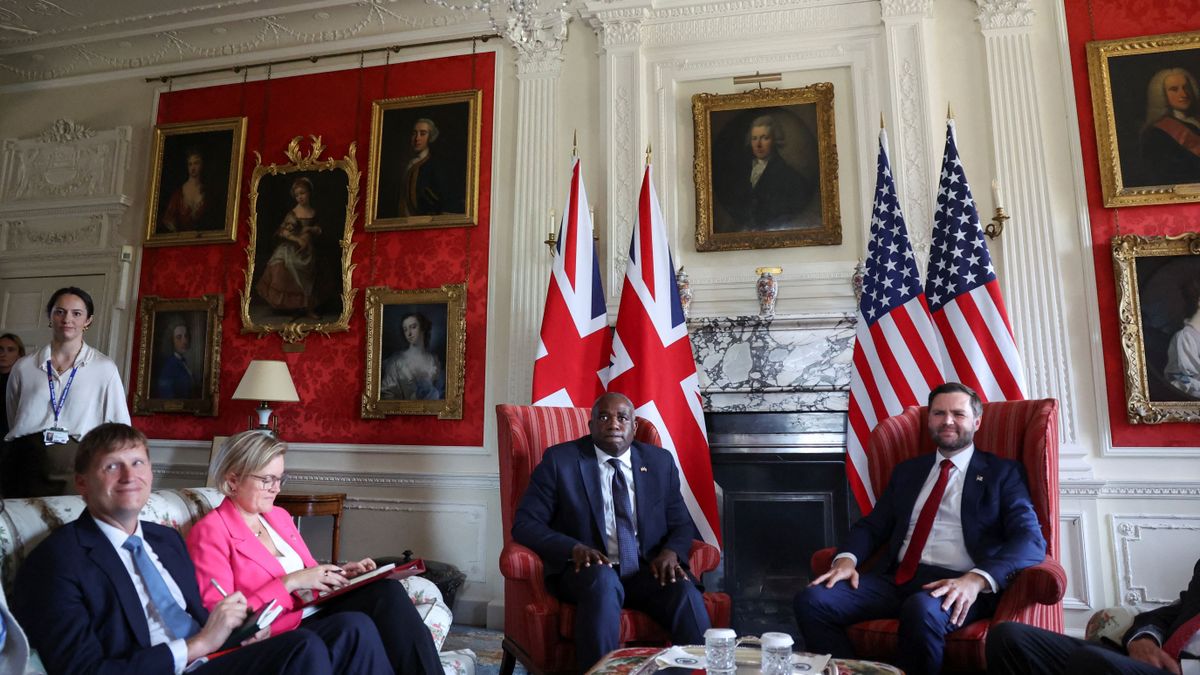
Russia has firmly rejected ongoing Ukrainian and European peace initiatives, with Foreign Minister Sergey Lavrov asserting that the fate of the conflict will be determined militarily. This stance comes despite Ukrainian President Volodymyr Zelenskyy's recent calls for restarting negotiations and European leaders outlining potential frameworks for a future settlement.
Moscow's response to these proposals has been notably cold. Ukraine's position suggests that freezing the current front lines offers the most realistic basis for a ceasefire. However, Russia insists on the withdrawal of Ukrainian forces from certain areas of the Donbas region as a prerequisite for any agreement, a demand that Ukraine has dismissed.
President Zelenskyy reported a "very positive" phone call on June 8 with U.S. Ambassadors Steve Witkoff and Jared Kushner. Meanwhile, the UN Security Council convened on June 8 to discuss Russia's large-scale attacks on Ukraine. UN officials have warned that civilian casualties and destruction have reached their highest levels in recent months.
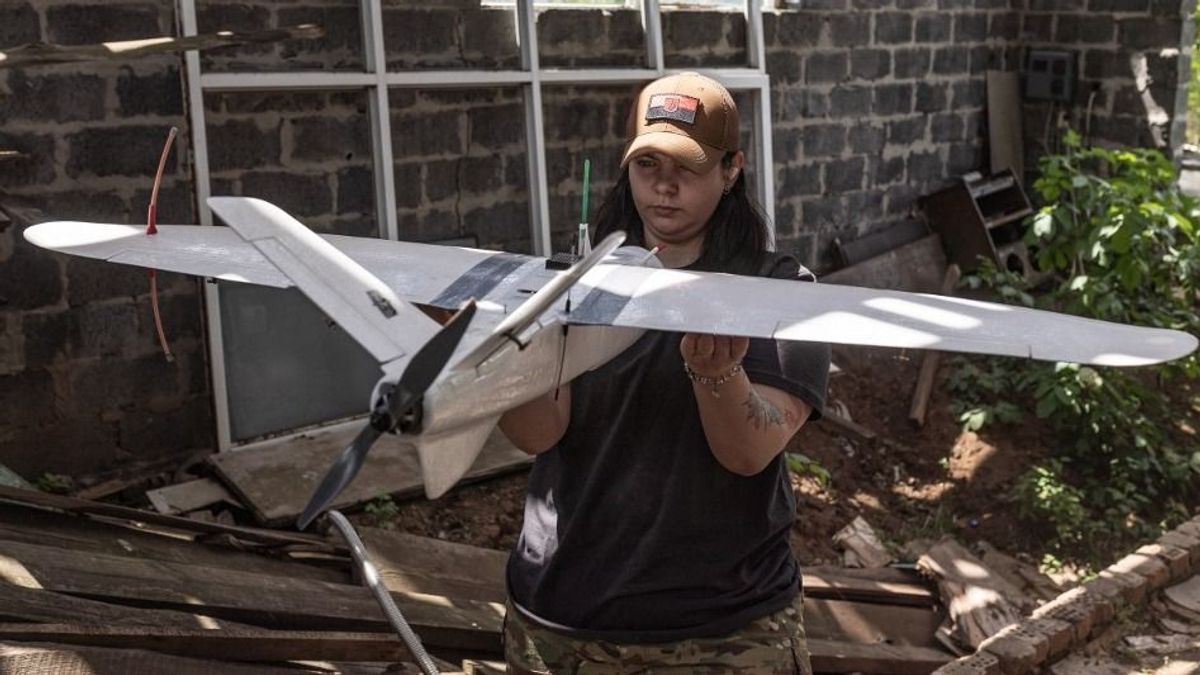
Russia's permanent representative to the UN stated that Russia recently targeted 10 Kyiv-based companies involved in manufacturing military equipment, including drones. This exchange underscores the deep chasm between the warring parties and the challenging path toward any potential resolution.
I don't know how we can even talk about negotiations.
DistantNews Editorial
Originally published by Magyar Nemzet in Hungarian. Translated, summarized, and contextualized by our editorial team with added local perspective. Read our editorial standards.
More Stories
From Our Blog

Countries Without a Free Press: What You Need to Know

What Press Freedom Means for the News You Read

What Gets Lost (and Found) When News Is Translated

The Critical Role of Diaspora Media in Global News

What Travellers Should Know About Countries with Restricted Press
